
Kenya Aims To Boost Meat Exports
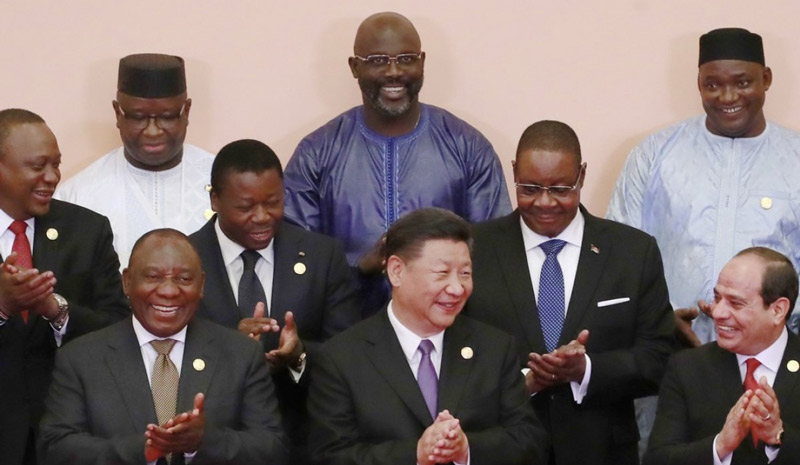
 Kenya plans to boost its meat exports by investing in state-of-the-art slaughterhouses that meet international quality standards. This was announced by none other than President Uhuru at a recent meeting with government officials and business owners recently.
“We will begin with the export of live animals but in two years, we should have our own export slaughterhouse. My vision is to revive this important sector,” said President Uhuru Kenyatta.
Meat exports to Europe and the Middle East markets has been growing in recent years and the building of halal-certified slaughterhouses will certainly boost Kenya’s foreign exchange earnings though meat exports.
“My main interest is that the farmer and herder of livestock get good prices for their animals,” said the President.
President Kenyatta said livestock farming used to be a lucrative agribusiness in the 1970s but was brought down through mismanagement.
“We used to do well in this livestock industry in the early 1970s. Unfortunately, due to mismanagement, it collapsed,” he said.
Global Foods and Blue Mountain are two UAE-based companies that have been appointed to market Kenya Meat Commission (KMC) products in the Middle East with Dubai as the distribution point.
KMC is also planning to set up distribution centres and cold storage warehouses in the Kuwait, Qatar, Saudi Arabia, the Democratic Republic of Congo (DRC), Sudan, and Egypt.
“We want to directly take charge of the export market by doing away with middle men in our supply chain system. This will also help us convert agent commission fees into income,” said Patrick Mutemi, the deputy managing commissioner and head of finance and marketing at KMC.
The Middle East is a prime market for small stock products — lamb, mutton, and goat meat — while corned beef is more popular in the African market and Saudi Arabia.
 Recently, a team from the United Arab Emirates visited Kenya to assess the capacity of Kenya Meat Commission to export meat to the Middle East country. The inspectors, mainly veterinary doctors, nutritionists and environmentalists studied how KMC meets international standards on food safety, health and sanitation, livestock disease control and meat handling.
KMC is targeting the Middle East market to increase revenues and the company targets a 20 per cent profit at the end of this financial year.
To enhance its capacity in meeting the market demand, KMC is constructing six satellite abattoirs in major livestock keeping areas countrywide, including Wajir, Samburu, Kajiado, Isiolo, Mandera, Garissa, Marsabit and Turkana counties.
The European Union had banned the importation of Kenyan beef due to food safety concerns as a result of livestock diseases.