
Netflix has announced the introduction of a Made in Africa collection – a curated list of African series, films and documentaries – to celebrate Africa Month and demonstrate Netflix’s commitment to Africa and the African creative community. The collection includes over 100 titles of content from across the continent including Netflix originals like South Africa’s hit series “Queen Sono” as well as previously acquired films like Nigeria’s “King of Boys” and “Wedding Party.” Netflix’s “Made in Africa” initiative builds on the foundation for its plan to continue highlighting African content and culture by properly introducing the world to all the continent has to offer in the creative world. Among Netflix’s new African Originals content is its second South African series called “Blood and Water,” which follows the story of a teenager who discovers shocking secrets about her family’s past whilst trying to navigate life at a South African high school. The collection is available globally at netflix.com/madeinafrica (or can be found on Netflix by searching ‘Made in Africa’ or ‘Africa Month’ or ‘Africa Day’) and will make it easier for members who love African stories to find something great to watch. It includes over 100 titles – including older licensed films and shows as well as Netflix Originals like Queen Sono, which debuted on Netflix in February, and Blood & Water, which will premiere this month. The collection includes critically-acclaimed films and series like Jerusalema; King of Boys; Lionheart; Mokalik; Oscar-award winning film Tsotsi; Uncovered; The Wedding Party; Tjovitjo; Castle and Castle; The Boy Who Harnessed the Wind; Azali; Potato Potahto; Joy and more. Members will also see major international films and series that were either predominantly or completely filmed on the continent, such as Holiday in the Wild (South Africa and Zambia); The Red Sea Diving Resort (Namibia and South Africa); Troy: Fall of a City (South Africa), Beasts of No Nation (Ghana), Blood Diamond (Morocco, Sierra Leone and South Africa), and documentaries, including Leonardo DiCaprio’s The Ivory Game and the Oscar-nominated Virunga. “This Africa Month, we’re excited to celebrate African stories and storytellers. This collection includes Queen Sono – our first Netflix original series – and as well as films like Catching Feelings, Chief Daddy, 93 Days, Merry Men. We hope that by making these ‘Made in Africa’ titles easily available we will help ensure they are watched Around the world” says Ben Amadasun, Director of Licensing and Co-productions for Africa at Netflix’. If you love African stories then you're in for a treat. The Made in Africa collection is now available on Netflix at netflix.com/madeinafrica.
Lead Generation Services by Africa Business Pages: Get 300 Business Inquiries from African Buyers Africa Business Pages has launched a deciated Lead Generation Service to help small business owners as well as large business conglomerates to reach potential buyers in the African markets through a dedicated digital marketing plans. The Silver Plan, for instance, can fetch as as many as 300 pre-qualified leads from African buyers per month at fixed price of $550. You can even try a 7-Day Trial promotion before commiting for one of the three digital marketing and lead generation plans offerred by the Africa Business Pages. All the plans are exclusively dedicated towards the African market and target ONLY buyers from Africa. This has helped many companies generate quality business leads from African buyers and increase their exports to Africa by using the dedicated Leads Generation Service by Africa Business Pages – Africa’s leading B2B portal since 1996. Business from Africa: Export to Africa For companies wanting to consolidate their exports to the African markets, the leads generation service offered by the Africa Business Pages is the best way to reach the right African customers at the right time and right place! Africa Business Pages offers an increased number of targeted and qualified leads in B2B and B2C markets. when it comes to digital marketing in Africa, a specialised lead generation company can serve as your first step to get closer to your targeted customers in Africa. By identifying potential buyers in Africa through their previous interest or inquiry, the Africa Business Pages is able to conduct precise business matchmaking through their extensive database. algorithm. Business Leads from Africa Lead Generation Services by Africa Business Pages can be your first step in bringing African customers to your company. The Africa Business Pages team helps in generating leads for your company to get more customers and the dedicated CRM team will pre-qualify these leads in order to convert them into paying customers for your company. The campaigns used by Africa Business Pages for generating leads are conceptualised by a dedicated and experienced team of digital marketing veterans to capture validated, pre-qualified leads through various digital marketing verticals. The pre-qualified leads are then delivered to the clients or their marketing/sales manager through emails. How will business leads from Africa help your business? Fixed price plans for lead generation – all-inclusive Choose the product you want to promote in Africa Choose a geographical area to target in the African market Benefit from the African Business Pages database to target specific audiences Minimum number of business leads per month guaranteed Lead Guarantee from Africa Business Pages The leads provided by Africa Business Pages are generated through unique web platforms owned and managed by Africa Business Pages. The leads go through a process of manual verification and qualification filters as per the BANT or other criteria set up at the start of campaign. All leads delivered by Africa Business Pages are guaranteed to be manually validated and with a genuine requirement. Africa Business Pages’ support team offers consultation and clients can change their target markets and products periodically. You only pay a one-time fixed price to subscribe to the service. Get Hot Validated Business Leads from Africa If you are you a startup/ small organization struggling to acquire business leads from the African markets, the B2B lead generation services offered by Africa Business Pages will help you gain validated leads and expand your company export to new and emerging markets in Africa. We deliver quality, verified leads Competitor tracking Customized campaigns via Social Media Buying Service Zero risk game Pay one-time fixed price for subscription Less Sales Efforts The lead generation service offered by Africa Business Pages reduces the pressure on your sales team by covering all aspects of generating hot, validated leads for your business from the African markets. Our expert digitial marketing team will be responsible for carrying out all your sales and graphics related activities for your promotional campaign in Africa. Follow ups and E-mail Funnels The Africa Business Pages team makes sure to follow up on the generated leads continuously with conversion rates moving swiftly in the favour of your company. The comprehensive database of African buyers available with Africa Business Pages helps in targeting the right potential buyers in Africa for your business / products. Increase Exports to Africa The African Business Pages team uses an inbound approach to generate business leads from African buyers – this includes paid search marketing, content marketing, and opted email marketing as well as interactive marketing activities attract potential customers in Africa. Managing business leads from Africa Marketing automation systems like email funnels makes it easier to nurture and capture relevant business inquireis for your business through online automation tools. The idea of this service is built around a unique framework which relieves your company of the hassles of managing and securing marketing/sales data. Our framework is agile, self-expanding, and fully-supported by our team. We assist in areas including lead generation, segmentation, managing the leads, nurturing and scoring leads, and keeping a track on them. The leads are sent an automated message or mail updating about your company and hence, the service helps in conveniently and actively managing the leads. Marketing for Business Leads from Africa The dedicated digitial marketing team at Africa Business Pages focuses on moving leads from top to bottom based on their relavance and importance. By using online marketing automation techniques, the Africa Business Pages team is able to design, automate, and market a time-bound marketing workflow for your company. Business Leads from Africa The process of marketing automation and using specific softwares to automate key aspects of capturing leads has helped Africa Business Pages to generate better leads. Capturing leads through marketing automation software provides better results than the traditional digitial marketing tools. Status updates The digitial marketing automation techniques used by Africa Business Pages helps in keeping African customers up-to-date with the status of services offered and your company offers and activities. The users have no time to come down to the website and check for the updates of the company, whereas automated marketing gives them all the information about your company and products in a single easy-to-read automated email. ABOUT AFRICA BUSINESS PAGES Africa Business Pages is a leading B2B portal dedicated to the African markets and is backed by a highly expereinced digital marketing team that provides a wide range of marketing services to businesses across industry verticals. The company serves all types and sizes of businesses striving to carve a niché for themselves in the African markets through varied marketing techniques, sales verticals, digital marketing activities and marketing activities. Africa Business Pages knows what it takes to be a leader, and has a pool of carefully recruited digital marketing experts to support the success of each client in utmost professional and upbeat manner. You can consult and get expert advice for fueling the overall growth of your business, irrespective of the stage your business cycle is at. Our 25+ years of experience has enabled Africa Business Pages to gain a significant position among leading digital marketing platforms across Africa.
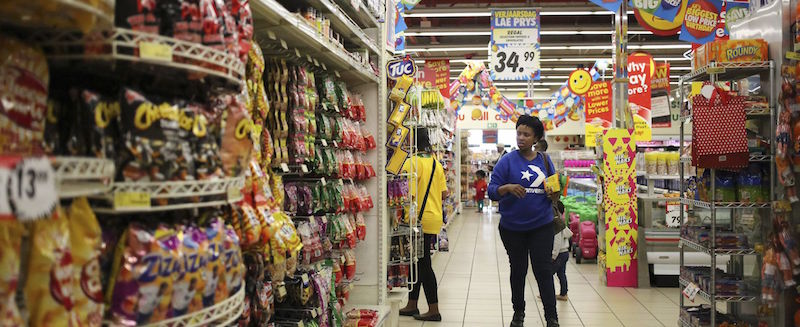
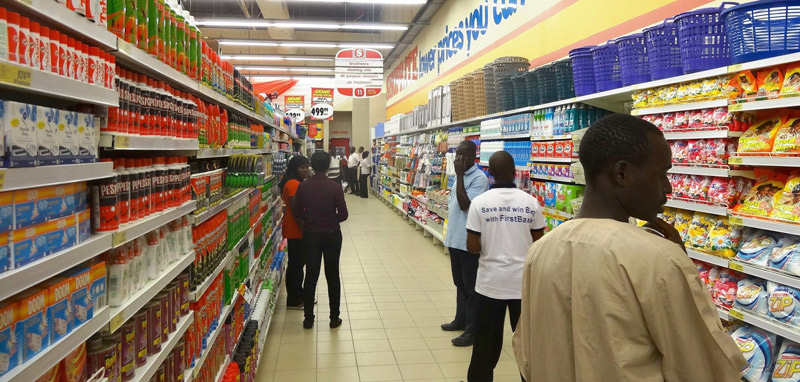
With a growing young population coupled with rapid urbanisation and fast-growing consumer expenditure, Africa offers attractive opportunities for entities wishing to expand into new frontier markets. Retailing contributions to GDP across the region continue to increase, indicating that the region is consumption-driven. Retail sales in the Africa amounted to over USD500 billion in 2019. Key retailing markets included South Africa, Egypt, Morocco, and Algeria. Although Africa is regarded as an emerging market, it is a different and complex one. The region is home to 55 independents states, which are characterised by diverse economies, and consumption patterns. It hosts a population of different income groups, religions, races, customs and languages. Furthermore, different countries are at different development stages. To develop a good and strategic market entry approach into the region, one needs to understand the diversity and dynamics that drive retailing. In addition, understanding how and where one’s product is consumed and purchased in the region is necessary for developing a route-to-market strategy. Africa is made up of a combination of traditional and modern retailing channels. These channels vary by market and are influenced by factors such as economy, state of development, consumer preferences and local culture. There are significant variations in the logistics costs and lead times required to access different African markets. The region is characterized by a multitude of retail channels, distribution networks, supply chains, marketing strategies, and different regulatory administrations. Underdeveloped infrastructure and complex distribution channels make it challenging for companies and products to reach consumers. Many consumer goods are imported from outside the region and thus demand an efficient supply chain. This comes with challenges such as volatile currency fluctuations and import duties. Partnering with local players that are connected along the value chain, coupled with creative, flexible approaches to supply chain and logistics can help companies overcome distribution challenges. Africa is on track to hit a predicted USD 2.1 trillion in consumer spending by 2025 These market dynamics indicate that Africa’s retailing landscape is diverse and increasingly expanding to suit the changing consumer demographics.
The Booming Markets In Africa
folder_open Business Outlook
Many African countries have been increasing their spending on infrastructure such as airports, cities, hotels, ports, roads, bridges, hospitals, and power plants. Both west and east African countries continue to implement major infrastructure projects such as the Trans-African Highway network. This project is comprised of a transcontinental road which aims at integrating the region’s transport corridors to meet the growing demand for road transport by an increase in Intra-regional trade. Recently, Kenya has unveiled a 280-million-dollar road rehabilitation project to improve its links with Tanzania and South Sudan. Moreover, Lamu Port South Sudan Ethiopia Transport (LAPSSET) Corridor is a 25-billion-dollar project — which will link Kenya with Ethiopia, Uganda, and South Sudan. This far-reaching project involves a railway, a highway, a crude oil pipeline and a fibre-optic cable connecting the four countries. The project will also include several airports, resort cities, an oil refinery, a 32-berth port in Lamu and other supporting infrastructure mini projects. Once completed, the LAPSSET railway will connect to West Africa’s Douala–Lagos–Cotonou–Abidjan Corridor, running through Cameroon, Nigeria, Benin, Togo, Ghana, and the Ivory Coast respectively. As these projects progress both the cost of mobility and production are falling — which is helping many small businesses have access to more inter-regional connected markets. Additionally, the advance in the telecommunication capabilities is enabling millions of young educated and digitally connected population to connect, buy and sell goods. In a few years, the proliferation of mobile phone networks has transformed communications in sub-Saharan Africa. It has also allowed Africans to jump right to the digital age skipping the landline stage of development. Many African non-oil exporting countries have impressive growth rates. Countries not dependent on natural resources are also progressing with economic reforms. These countries, which include Botswana, Ivory Coast, Ethiopia, Kenya, Mauritius, Morocco, Rwanda, Senegal, Tanzania, and Uganda, posted an average GDP growth of 5.8% a year between 2010 and 2018. While it is true that the business environment is still not fully developed, and that many countries still have to do more to reduce bureaucratic rules and to create stronger independent institutions, these existing challenges do not diminish business opportunities. Some global consumer companies, such as Samsung, Transsion, Nestlé, LG, and Colgate, have been able to overcome challenges and gain market share.
Ethiopia Opens Up Logistics Sector
folder_open Business Outlook , East Africa
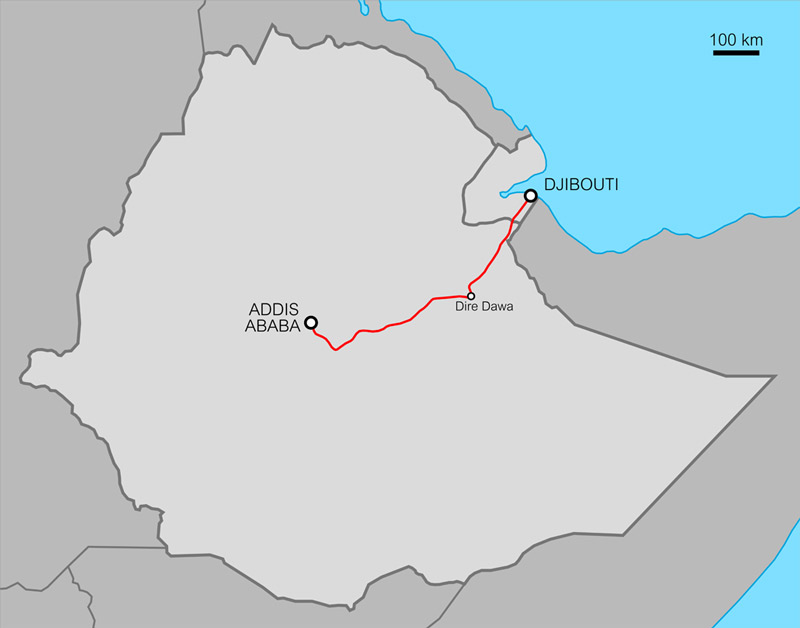
The Ethiopian government has opened up its logistics sector to foreign investors for the first time, in the form of joint ventures with local firms. The country wants to attract at least $120 million of foreign direct investment into the sector by 2021. Meanwhile, the state-owned Ethiopian Shipping & Logistics Services Enterprise (ESLSE) is to be part-privatised, and the state railway company, the Ethiopian Railway Corporation, restructured then fully privatised. Clearly, the government of Ethiopia has made improving logistics a top priority. A $2.5 billion, 750-kilometre railway connecting Addis Ababa with the port in Djibouti was launched in 2018 and should cut a three-day journey down to 12 hours. In an ambitious road-building programme flagship projects include a 200 kilometre expressway connecting Hawassa, home to the country’s largest industrial park, with the capital, Addis Ababa. Two years ago, the government signed a $150 million World Bank project to transform Mojo, a poorly equipped and heavily congested dry port near Addis Ababa that processes more than 70% of imported containers, into a state-of-the-art logistics facility. Meanwhile, Addis is helping a Dutch consortium, Flying Swans, to set up a cold chain along the railway to the coast. It also plans to increase to 90% the coverage of general cargo carried by ‘multi-modal’ transport – the theoretically more efficient system currently monopolised by the state-owned Ethiopian Shipping & Logistics Services Enterprise (ESLSE). As of now, to transport a 20-foot container of garments from Ethiopia to Germany costs 247% more than from Vietnam and 72% more than from Bangladesh. In 2016, Ethiopia scored 2.37 in the World Bank’s Logistics Performance Index – significantly lower than neighbouring Uganda, which is also landlocked. The country ranked 159th out of 190 in the World Bank’s Doing Business index in 2018; Uganda came 127th. Most of Ethiopia’s bulk imports like wheat, sugar and fertiliser currently pass through the port of Djibouti which is small and congested, especially when the Ethiopian government procures. The port is also 70% more expensive than other ports in the region. Ehtiopia has also signed a deal with Eritrea restoring Ethiopian access to the ports of Massawa and Assab. at will be most important to the Ethiopian economy. Ethiopia plans to invest in refurbishing the port with the help of investmetns from Saudi Arabia, United Arab Emirates and the World Bank.

The Business of Diamonds in Africa
folder_open Business Outlook
Diamond is undoubtedly the rarest and most precious mineral resource. It is very expensive and can only be afforded by the extremely rich, especially in its refined state. Diamonds are used to produce so many durable and beautiful and valuables including very fine and costly jewelries and ornaments. The affluent men of the society who are able to afford jewelries made of diamonds like showing them off in social gatherings to attract attention and esteem. So many countries of the world are blessed with this natural gem and African countries are not left out. Many of us would be able to mention some countries we know that produce diamond in commercial quantities but only a few may be able to tell who the largest producers are. There are generally 15 diamond producing countries in Africa. They are: Botswana, South Africa, Angola, Namibia, Congo, Zimbabwe, Guinea, Ghana, Congo, Lesotho, Liberia, Sierra Leone, CAR, Tanzania, and Togo. Now, the big question is: Which countries are the largest producers of diamonds in the African continent? However, the ratings of countries and their diamond production capacity is never stable and keeps fluctuating year-by-year. 1. Botswana Botswana is located in southern Africa bordering Zambia, Zimbabwe, Namibia and South Africa. Botswana is at the moment the largest diamond producing country both in Africa and the whole world. The first discovery of diamonds in Botswana was made by geologists in 1967. Botswana had insignificant production until 1970 and became one of the top producers in the mid-1980’s. Botswana has some of the highest yielding mines in the world and has been a leading producer of diamonds since 1999. The Jwaneng and the Orapa diamond mines in Botswana rank as the first and second biggest diamond mines in the world, estimated to produce $2.4B and $1.2B worth of diamond in 2015 respectively. That is, in terms of value and volume produced. The total estimated diamond by carats to be produced by Botswana this year is about 24 million carats. 2. South Africa Diamonds were discovered in the Namiba Desert in April 1908 near Lüderitz, when Zacharias Lewala, a former worker from the Kimberley diamond fields found a diamond by the railway. It immediately became a leading producer of gem-quality diamonds and held that position until the 1920’s when Zaire entered major production. South Africa has been a consistent producer for the past few decades with production volumes regularly ranging between 6 million and 7 million carats per year. South Africa has seven diamond producing mines of which Venetia, jointly owned by De Beers is the largest. South Africa is estimated to produce over 10M carats of diamond worth up to billions of dollars in 2015. South Africa is the second largest diamond producing country in Africa. 3. Angola Angola is situated on southern Africa’s Atlantic coast, bordering Namibia, the Democratic Republic of Congo and Zambia. Diamonds were first discovered in Angola in 1912. For the next 40 years, the industry was exclusively based on alluvial diamond mining (mining that extracts diamonds from deposits of sand, gravel and clay, which have been naturally transported by water erosion and deposited along either the banks of a river, the shoreline or on the bed of the ocean). Informal diamond mining first erupted in Angola on a very large-scale in September 1991, following the signing of the Bicesse Accords between the government and the National Union for the Total Independence of Angola (UNITA) rebels as well as an agreement to hold the country’s first general elections. Catoca diamond mine in Angola ranks as the fifth biggest diamond mine in the world. The Catoca open-pit located near Saurimo, around 840km east of Luanda, is estimated to contain up to 130Mct of mineable diamonds. Angola is currently the third largest diamond producing country in Africa. 4. Namibia The Orange River forms a geographic dividing-line between the nations of South Africa and Namibia. For the last hundred million years, the Orange river has been carrying eroded diamondiferous kimberlite material from its source on the Kaapvaal Craton, in central South Africa and Botswana. Diamond-bearing material was deposited in river bank gravels and alluvium as it traveled westward towards the Atlantic Ocean. Other diamondiferous materials were re-distributed by wind action, settling to form alluvial deposits in the desert sand.Namibia is the fourth largest diamond producing country in Africa at the moment, and is estimated to produce a total of 1 970 000 carats of diamond worth $937 million in 2015. 5. The Democratic Republic of Congo The Democratic Republic of Congo used to be one of the leading diamond producing countries not only in Africa but in the world. It produced 19.2 million carats in 2011 making it the second largest producer in Africa by volume after Botswana, which produced 22.9 million carats, according to the latest Kimberley Process (KP) data. The Congo is still the 2nd African country with the largest deposit of the hard rock, diamond. But it’s quite unfortunate that recently, other countries like South Africa, Angola and Namibia has taken its place in terms of value and volume produced. Currently, Congo has not been able to meet up with reasonable quality and quantity in Diamond production. One of the contributors to this decline is what is known as “blood diamonds”, as diamonds have funded brutal wars in many African countries which has resulted in the death and displacement of millions of people. Most of the diamond production in the country is from informal sources. This actually explains why about a third of the country’s diamond is smuggled out of the country and also accounts for the reason why Congo cannot be found in the list of top diamond producers if ranking is based on mines

Best Places to Live and Work in Africa
folder_open Articles
Investing and starting a business and living in Africa is different than anywhere else in the world. The few countries with western-style economic freedom are not even on the continent; Mauritius is ranked the nearly makes the list of the top 20 free economies in the world, but is literally an island in Africa. The biggest challenge to finding the best places to work and live in Africa is reliable information. While indices tracking economic freedom are helpful, they don’t always tell the whole story. A young entrepreneur starting a business on the ground may not deal with the same corruption issues a multinational corporation will deal with. If you focus only on data at the expense of real-world experience, you won’t get very far. So here is a list of top countries in Africa that offer attractive propositions for those wanting to live and work in Africa: RWANDA Rwanda is called the “Singapore of Africa” – not only is the capital city of Kigali incredibly clean and safe, but the government is efficient and responsive. Business registration in Rwanda isn’t just fast by African standards; it’s possible to register a company within just hours. Rwanda keeps bureaucracy moving quickly with a highly organised government that minimizes risk. Literally anyone – can get a visa on arrival at Kigali Airport. Another thing Rwanda has that is rare among African nations: a vision. The country’s “Vision 2020” program is actually relatively well-crafted, with goals to double urbanization to 35% by 2020. Free trade zones are one way they plan to increase foreign investment, and focus on growth has led to an average of 7% GDP growth since the early 2000s. Internet connectivity is among the best in Africa. Despite limited natural resources, Rwanda was one of China’s biggest investment plays. But there are opportunities for other investors, too. Housing shortages are a real thing in the Kigali, and no one is filling the gap. There are tax breaks, too; invest $10 million and pay zero, or produce goods for export and pay a flat 15%. ZAMBIA Zambia is a southern African nation that has long been a beacon of stability on the continent since becoming independent from the United Kingdom in the 1960s. It first came onto my radar years ago when a South African friend told me about the white Zimbabwean farmers who were welcomed in by Zambia after Zimbabwe expropriated their land. Some of those farmers now plan to return to Zimbabwe as it slowly re-opens for agricultural business. The country had one of Africa’s fastest growing economies, which has since slowed down. The government has opened incentive programs to ensure the economy is diversified, and although the system seems clunky it’s starting to work in numerous sectors. Zambia’s economy benefits from years of development, which means a more advanced banking system with players such as Barclays, Citi, and Bank of China. New businesses can avail themselves of a 0% corporate tax rate for their first five profitable years, and partial reductions after that. GDP growth has been positive for a decade. Just as importantly, Zambia sits in potentially the best neighborhood in Africa. While the country is landlocked, trade opportunities are interesting even (or perhaps especially) as South Africa goes down the tubes. While Zambia is not a “sure thing” and some skilled farmers are leaving, the political stability of the region and the country’s above-average push to attract and reward foreign investment is noteworthy. GAMBIA For decades, Gambia was run by President Yahya Jammeh. Jammeh’s dictatorship oversaw oppression of journalists, the exile of gays, and even a first-ever withdrawal from the Commonwealth. Corruption was persistent in this tiny west African nation, although the country did have an interesting association with the offshore industry through its ill-fated IBC offshore company register and its questionable sale of permanent residence to Chinese emigrants. Jammeh was recently voted out of office in a surprise election that has paved the way for Gambia to reduce corruption and attract business. There is no doubt that The Gambia’s economic situation is dire, but the new government has taken a business-friendly approach thanks to actual businesspeople who are part of the new administration. Gambia is offering tax breaks and incentives in a number of economic sectors and is rolling out new plans to rebuild confidence in the new government’s ideas. Some industries are being privatized, government debt is slowly being reduced, foreign exchange reserves are being built up, and locals say a sense of freedom has returned. There is also growth in the financial sector as the government rolls back regulations and allows even more foreign investment in Gambian banks that provide credit to locals. There is no doubt that The Gambia has a small, perhaps even fragile, domestic economy, but it is slowly heading in the right direction. The pro-business government can make Africa’s smallest nation a highly nimble and adaptive place frontier market for investment. DJIBOUTI Things haven’t been looking good for Djibouti lately, but the country’s strategic position is surely a major plus point. There is no denying the country’s excellent position on the map. This tiny nation of barely one million people is smack dab in the middle of the world’s second largest shipping route on the Red Sea. Unlike much of Africa, agriculture plays little role here; the port, with its shipping and logistics, are what matters. Djibouti also enjoys friendly relations with neighbours, like far larger and landlocked Ethiopia. Another big reason to invest: China. While China has largely been pulling out of Africa, they have been heavily investing in Djibouti’s port and have opened their first overseas military base there. The presence of the Chinese and other expats who see Djibouti as a goldmine may be the reason the country “feels safer” than many other African countries. The currency also offers a certain stability, with its peg to the dollar and low inflation by African standards. There are a lot of good fundamentals between good company, good geopolitics, and good geography that count in Djibouti’s favour . Djibouti City was quite the hot spot for foreigners seeking investments not so long ago, and may still be worthy of consideration.

Uganda To Export Oil By 2023
folder_open East Africa
Uganda plans to build a pipeline to export its new discovered oil through neighbouring Tanzania. The landlocked country situated in East Africa is currently inviting licence bids from interested investors and major international oil companies. Uganda has some of the biggest oil reserves in sub-Saharan Africa – 6-billion barrels – of which it has estimated 1.4-billion are recoverable. It canceled a plan in 2016 to jointly develop an export pipeline to Kenya’s coast in favour of a southern route through Tanzania. To export its oil, Uganda is looking to take a 15% stake in the planned 1,440km pipeline to Tanga on the Tanzanian coast. Tullow is considering a 10% share in the project, Tanzania may take a stake, and Total and CNOOCooc will probably share the rest. “There is a lot of money that needs to be invested into exploration and development before we go into production,” says Irene Muloni, Uganda’s Minister for Energy. “By the end of 2020, we should have new investors,” she said. International oil investors currently working in Uganda – including Total, CNOOC and Tullow Oil – have committed more than $3billion. The country has also held investor roadshows in London, Houston and Russia. Uganda issued production licences earlier in separate agreements. Final investment decisions with Total, CNOOC and Tullow have been delayed, and the government now expects them by the first quarter of 2020. Uganda also wants to improve electricity supply and distribution. Kampala is studying the feasibility of linking its power lines with South Sudan and the Democratic Republic of the Congo.
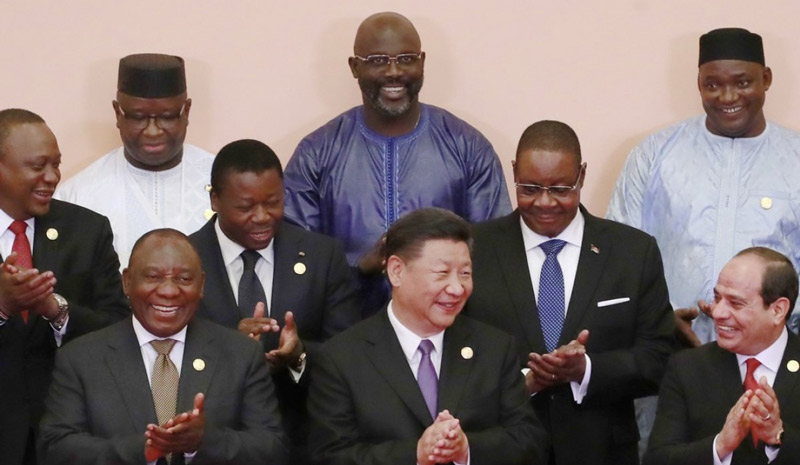
Chinese goods have been gaining increasing popularity in the African markets and Chinese companies are exporting in huge quantities of a wide variety of products directly into many African countries. In the last few years, China’s trade with Africa has been growing with leaps and bounds, as has Chinese investments into several African nations. In 2018, China-Africa trade reached US$204.2 billion, up 20 percent year-on-year, and China has emerged as Africa’s largest trading partner for 10 straight years. Price-sensitive markets in Africa are hungry for cheaper-priced Chinese goods. Wholesalers, traders and merchants in Africa have also been quick to meet the rising demand for Chinsese goods in Africa and are now sourcing a large portion of their requirements from China. By cutting out the middlemen and buying directly from Chinsese manufactures has also helped them increase profit margins. This trend of buying from China and selling locally and regionally is being repeated in almost all African countries and the result is clearly visible in almost all African markets that are now flooded with low-priced Chinese goods – whether it is tyres, automobile parts, stationery, perfumes, cosmetics, computer hardware, furniture or machinery, China has dominated the African markets in the last decade. The main products China exports to Africa are machinery and electronics, textile and apparel, hi-tech products and finished goods, while imports from Africa concentrate on crude oil, iron ore, cotton, diamond and other natural resources and primary goods. To help the countries in Africa expand exports, China has exempted import tariffs for certain commodities of these countries. China has also announced the names of over 25 African countries that enjoy zero tariff treatment and special preferential tariff rate for exports of some 190 products to China. In fact, Africa’s resource-rich nations are getting even more reliant on China for their exports. Chinese imports from Africa include crude petroleum from Angola and South Sudan, zinc and copper ore from Eritrea, cobalt from DR Congo, raw tobacco from Zimbabwe, besides iron and titanium from Sierra Leone. China has committed to set up a $10-billion special fund for development financing, showcasing a possible change from a resources-for-infrastructure model of financial engagement.
Business Opportunities In Africa
folder_open Business Outlook
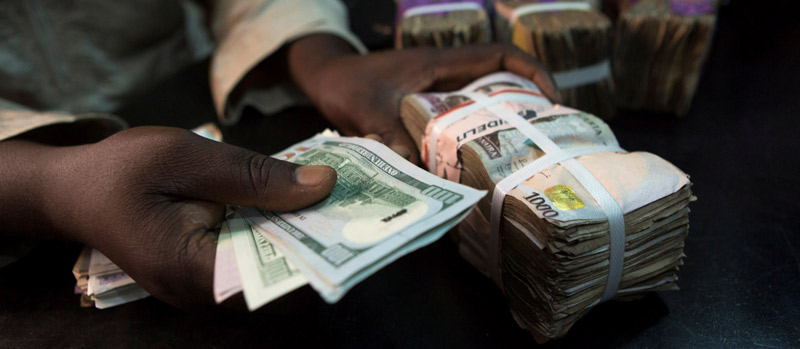
Africa is the second largest continent and demand for consumer and capital goods is always high in the local markets. Most African economies rely on imports to satisfy the needs and requirements of their large population. If you want to export goods and products to Africa, good research and knowledge of the legal regulations are a must for your success. The IMF estimates that economic growth in sub-Saharan Africa will cross 6.5% in 2025. Africa hosts the majority of the top ten fastest growing countries in the world. The World Bank believes that most African countries will reach “middle income” (at least US$1,000 per person a year) by 2025 if current growth rates continue. Nearly 65% of the labour force in Africa is expected to have some secondary-level education by 2025. Africa has around 125 million people with household incomes exceeding $5,000 – meaning they can direct more than half of their income towards discretionary spending. It’s expected that this figure will cross 150 million by 2025. Exporting to Africa looks a much rosier prospect than in the past and already countries such as the US, Brazil, China and India have increased their business dealings with the African continent. Main Products Exported To Africa Demand for many consumer and capital goods has been growing steadily across many African markets. If you are looking to break into the African market, there are many norms that you should consider as an exporter. There are many products and services that are in demand in the African markets. Here, we will discuss the top products to export to Africa: Pharmaceutical Products Pharmaceutical products such as different medical drugs and vitamins as well as health supplements are in big demand in Africa. Since the industry of health and pharmaceutics is in constant development, investing in such goods is one of the best decisions to make nowadays. Also, African people suffer from a variety of conditions, especially in the rural environments where medical drugs are not so accessible. Iron and Steel When it comes to raw materials, exports of iron and steel which are much needed on the African market is indeed a profitable business. Africa can’t produce such metals due to lack of funds, and the demand is high especially in the urban areas of the continent. Automobile Spare Parts Automobiles and its components such as spare parts, tyres, batteries, lubricants and different mechanical pieces needed for repairs are also very much in demand in Africa. Many countries have been exporting a wide range of automobile spare parts to Africa and making a neat profit. Demand for automobile spare parts and accessories in Africa is expected to reach US$18.5 billion in 2025. Led by countries such as Kenya, Ethiopia, Tanzania, and Uganda. African demand for auto parts and accessories is growing 11 per cent year-on-year according to analysts Frost & Sullivan. There’re nearly 22 million vehicles on the continent’s roads today, creating demand for parts and accessories worth more than US$8 billion per year. It’s therefore become an increasingly significant market for global manufacturers of accessories and engine components such as bearings, brake pads, spark plugs and filters. Countries such as Nigeria, Kenya, Uganda, Ghana, have witnessed double digit growth in demand of parts in the past five years. Focusing on the tremendous opportunities of doing business in the fast-emerging African market, there are currently more than 21.6 million cars on the continent’s roads which make up for nearly 70 per cent of spare parts consumption. Cars Used cars are being imported into Africa from all across the world. However, exporting cars comes with a lot of new regulations and some of them keep changing. You have to consider the value of the car, the demand present on the market as well as the financial capabilities of African people. Used cars are also in big demand in African countries. The African market for passenger vehicles is emerging as one of the most important re-export markets, growing more than 11 per cent year-on-year, and estimated to be worth US$20 billion in 2018 and based on the double-digit growth of demand in key Sub-Saharan countries, the value of the Africa’s automotive market is likely to reach US$28 billion by 2022. Textiles Clothing One of the main exports to Africa is textiles and different clothing. Clothes will always be a must and a basic necessity which is why they are a great opportunity for those wanting to export to Africa. However, your best bet as an exporter is to supply clothes and textiles in urban areas of Africa because they will not sell so good in rural villages or undeveloped regions. Used clothing has diverse names in the various African countries. In Rwanda, it’s chagua, in Kenya, mitumba, and salaula in Zambia. The global trade of second-hand clothing has a long and rugged history. It became prominent due to its affordability and to the surge in liberalization policies in the early 1990s. Second-hand clothing provides work for millions of resellers, distributors and market stall holders in developing markets, particularly in East Africa. But the decision by some countries to cut its imports of second-hand clothing in order to encourage local textile manufacturing has brought forth charges of protectionism from developed country exporters. Rice Rice is being imported into African in increasingly large quantities in recent years. Countries like Nigeria are big consumers of rice, and there is never enough on the market. Imports keep coming to support the demand which is a great opportunity for foreign exporters. Even if Africa started producing their rice, the quality is still not the same as the imported rice. That is why many African people prefer to consume rice from other countries like India, China, Thailand, Pakistan and Malaysia. Local production of rice is also still very low due to lack of financial possibilities and no investments. Some rice producers decided to set up a rice farm in Africa to produce such goods locally. It helps them skip the entire import-export process which can be time-consuming and even unprofitable in some occasions. Rice is one of the basic goods consumed in Africa and mainly the white type of rice. But even so, some countries consume it more than others. While rice is also locally produced in Africa, it is never enough to supply for all the demand on the market. Rice production in Africa is constantly increasing, and the authorities try to find the funds to support this industry as well. Some African countries like Benin try to improve their rice production, but they are also exporting it to Nigeria. And the examples go on and on because this is a common practice within the African continent. Plastic Raw Materials Plastic raw materials are also a great category of goods to import in Africa because they are highly functional and tend to come at a fairly low price as well. The demand for plastic increased along with the urbanization process that took place in the past decades in Africa. More people live in cities, and the need for plastic materials and objects became a real struggle. Especially in countries like Nigeria where more than half of the population lives in urban areas. Even if other countries try to stay away from plastic since 2015, Africa still relies on this material mainly because it is affordable for all types of processes. Opportunities For Export To Africa There are enormous opportunities in Africa but you have to thoroughly research the market. If your business produces machinery and equipment, chemicals, petroleum products, scientific instruments or foodstuffs then exporting to Africa is a great idea. It’s important to have an agent who can travel to your target market on a regular basis and has established a network of customers there. This allows you to concentrate on supply and production. At some point though it’s important for you to get on that plane and travel to Africa. It’s important to meet people face-to-face and build proper relationships but make sure that you learn about their culture to avoid any potential embarrassing mistakes. Some countries such a Nigeria offer both complimentary and fee-based market research tools to help possible exporters from other countries to analyze the market and gain insight into specific sectors. Other advantages with Africa are lower salaries and rents, improving infrastructures and growth in those who have broadband. There are risks though as in any emerging markets. These include crime and corruption. Also in a country such as South Africa you have to respect laws that demand a certain percentage of employees, directors and shareholders are black. In Gabon there are strict rules that have to be adhered to. These protect the health, safety and environment of Gabon’s citizens from sub standard imported goods. Exporters need to provide a Certificate of Conformity for Customs clearance. Increased Trade With Africa Exports from Africa totaled US$476.6 billion in 2018. That dollar amount reflects an -11.3% drop since 2014 but a 12.8% year-over-year upturn from 2017 to 2018. In comparison, global exports from all countries worldwide equaled $19.228 trillion in 2018, rising 1.2% in value since 2014 and appreciating by 8.5% from 2017 to 2018. Africa’s exports represent an estimated 2.5 per cent of total world exports in 2018. Based on statistics from the International Monetary Fund’s World Economic Outlook Database, the total Gross Domestic Product (GDP) for Africa calculated on a Purchase Power Parity (PPP) basis amounted to roughly $6.813 trillion in 2018. Therefore, going by these figues exports account for about 7 per cent of Africa’s total economic output. Given Africa’s population of about 1.264 billion people, the total $476.6 billion in 2018 exported goods originating from continental Africa translates to roughly $375 per African resident. In conclusion, it’s important to break into a growing market as early as possible. Africa offers more than one option, and if you are planning to export to Africa you have many chances of success. Make sure you do your market research, employ reliable agents and distributors to keep a close eye on your investments and make sure that you comply with all the relevant laws in the country you are exporting to and exporting to Africa really can pay dividends.
Preliminary request for participation in the trade show
place
calendar_today
Preliminary request for visitor registration
Visitor Registration
place
calendar_today