
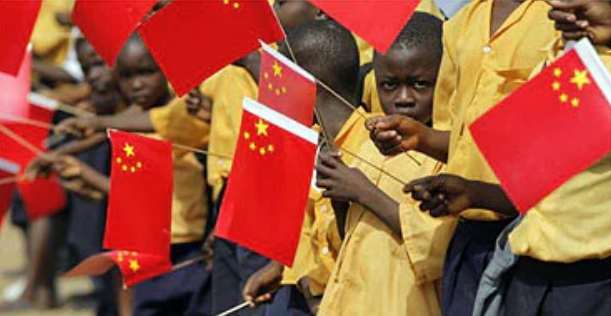
Ethiopian Airlines will start helping Chinese visitors process visas to travel across Africa. Beginning in 2019, Africa’s No.1 airline will set up a hub that will allow travelers from China to apply for visas to 35 African countries, the airline’s chief Tewolde Gebremariam told Chinese news agency Xinhua. The scheme is aimed at reducing the process of application especially for citizens who have to travel to embassies located in the capital, Beijing. Chinese passport holders can get visas on arrival in Ethiopia’s capital Addis Ababa. “The visa scheme will facilitate easier air travel for Chinese experts and business people and reduces their financial cost,” Tewolde said, adding that “we are very excited about it.” As Africa’s dominant carrier, Ethiopian Airlines has in recent years taken up a pan-African strategy, launching more connections, reviving defunct national airlines, and setting up more hubs across Africa. Part of this growth has included servicing both cargo and passenger flights to five destinations within China namely Beijing, Chengdu, Guangzhou, Shanghai, and Hong Kong. To tap into the growing number of Chinese traveling abroad, the airline in September started accepting payments in its mobile app via the Alibaba-owned payment platform Alipay. The establishment of a visa center is likely also a tactical gambit, placing the state carrier at the heart of efforts to ease movement across the continent. In November, Ethiopia started a visa-on-arrival push for all African travelers as more African nations liberalized their visa regimes to attract more trade and tourists. The plan is also beneficial for Ethiopian especially since its hub in Addis Ababa has now overtaken Dubai as the world’s gateway into Africa. The visa hub is also symptomatic of China’s deepening place in Africa. Besides coming to work and trade, Chinese tourists are showing increased interest in the continent’s cultural and historical sites. Cognizant of this, countries including Kenya, Morocco, and Tunisia have eased their visa rules or launched marketing campaigns to incentivize and attract more Chinese travelers. South Africa has even gone as far as issuing business travelers five to ten-year, multiple-entry visas on arrival.

Africa Business Pages, the leading B2B portal connecting African buyers with global suppliers, has compiled a special directory of rice importers in Africa. The Africa Rice Importers Directory lists major rice importers in Africa from over 40 African countries. Rice importers in Africa have been buying ever increasing quantities of rice from all across the world in order to meet the rising demand for rice amongst African buyers. According to industry reports, A frica imported 17 million tonnes in the last five years. Around half of the current global population—or about 3.5 billion people—relies on rice as a source of sustenance and livelihood. As local rice producers in Africa are not able to meet the rising demand for rice, importers of rice have been buying from overseas suppliers to meet the rising demand for rice amongst African consumers. Many African rice importers import a significant amount of rice for local consumption and regional distribution. However, the relatively small country of Benin has emerged as one of the leading rice importers in Africa. Most of the rice imported into Benin is actually destined for Nigeria and is smuggled across the border to bypass the ban on imported rice by the Nigerian government in a bid to promote local agriculture. The Africa Rice Importers Directory has been compiled with the sole purpose of promoting direct B2B contacts between African importers of rice and global suppliers. The Africa Rice Importers Directory provides exporters of rice a comprehensive database of importers of rice in Africa and helps them contact them directly. Online sales as well as email marketing has been playing an ever important role in promoting B2B contacts and generating sales leads – specially so in Africa where other forms of media and promotional tools are not as effective. By compiling a well researched list of rice importers in Africa, the Africa Business Pages has proved once again that it has been leading the pack when it comes to direct B2B promotions in the African markets.

Cosmoprof Worldwide Bologna, the leading B2B exhibition in the world for the beauty industry, announces a new look for the 2020 edition. Over 250,000 professionals from all corners of the globe come to Bologna to discover cutting-edge technologies, innovative products, and eco-friendly proposals of the future. To facilitate their visit, business opportunities, and networking with over 2,800 exhibitors, Cosmoprof 2020 confirms the targeted opening dates and reinforces the distinction of each area according to product sectors, with a new and more functional layout of the halls. From 11 to 15 June 2020, Cosmopack and Cosmo | Perfumery & Cosmetics will open its doors for producers and specialists of the supply chain, finished product companies, and buyers/retailers, with the latter focusing on the Perfumery and Cosmetics sector, Green & Organic Beauty, and Cosmoprime, the area dedicated to high-end cosmetics. From Friday 12 to Monday 15 June, the show opens for the professional distribution channels of Cosmo | Hair & Nail & Beauty Salon, with the participation of salon owners and beauty centers, hair stylists, hairdressers, nail technicians, and distributors specialized in these segments. The international Country Halls, featuring small and medium-sized beauty companies from all over the world, will also follow a division by sector to increase networking opportunities of attendees. The focus of the 2020 edition will be on sustainability and the circular economy; the cosmetics industry is called upon to find new production solutions to reduce the environmental impact of production processes using renewable energy sources. COSMOPACK This exhibition, dedicated to contract manufacturing and private label, machinery, primary and secondary packaging, applicators, ingredients, and raw materials, displays continual growth. Automation and technology will be the key words for the 2020 edition, with “smart” solutions presented by companies representing both the excellence of “Made in Italy” and international. With the main concern for Cosmopack 2020 being the circular economy: The Factory project will explore the most eco-friendly industrial solutions, showing the entire circularity of plastic recovery. The reproduction of the supply chain set up in hall 19 will lead to the creation of a “scalp oil”: a 100% “no compromise” product, with a formula completely free of micro-plastics and a bottle with regenerated polymers, obtained with an innovative technology and “Carbon footprint” certificates. The Cosmopack Factory explores the future of sustainability in the cosmetics industry: a future that is already present, because thanks to the research and investments of the companies at Cosmopack, it is now possible to produce beauty products that respect the environment and are in with accordance to the principles of circular economy. The last edition of Cosmopack saw the participation of over 450 exhibiting companies and over 23,000 professionals, most of whom came from abroad. Management of cosmetic brands, purchasing managers, R & D, and retailers interested in collections and technologies proposed as a preview in Bologna by the leading international suppliers. The Cosmopack format is currently replicated in Hong Kong with Cosmopack Asia, with an entire exhibition center dedicated to companies of the supply chain, and in 2020, the second edition of Cosmopack North America will be inaugurated. COSMO | PERFUMERY & COSMETICS From 11 to 15 June 2020, the exhibition will open its doors for hall 14 for Cosmoprime, hall 21 dedicated to the green universe, and halls 16, 22, 26, and 19 for Perfumery and Cosmetics companies. Cosmoprime, dedicated to high-end cosmetics with a selective distribution, specifically in luxury concept stores, collects the latest trends in the sector in a new hall, Hall 14. The area will offer Italian and international retailers a preview of the perfumery of the future: emerging brands, suggestions from around the world, trends, and innovations that will shape the concept of retail for tomorrow. Cosmoprime is a must-see as it features macro-trends of the beauty universe. Among the trends for 2020 is the concept of “holistic beauty”, which links the effectiveness of a product to the wellbeing experience that the use of the product itself can give to the customer. The increasingly extreme customization of the new collections, not only for the fragrance and skin care sectors but also for the make-up segment; specific proposals follow the peculiarities of the client, with ad hoc ingredients and formulations. The most innovative devices are also on display, with the latest technologies developed by international researchers. Companies specialized in products derived from cannabis are growing in response to a growing interest in the positive effects of this ingredient. The men’s world plays a key role at Cosmoprime; in the luxury concept store of the future, not only will skincare proposals made specifically for men increase, but make-up collections geared toward a male audience take centre stage, as a consequence of a greater attention to aesthetics which is characterizing men all over the world. Sustainability and green beauty are the common themes for many of the companies exhibiting. The Green Prime area features exhibitors containing products with a low environmental impact specific to retail, with ingredients of natural origin. A new area, Zoom On Emerging Prime, will be dedicated to young companies that are first-time exhibitors at Cosmoprof and are looking to meet buyers, distributors, and retailers of the most important cosmetics companies in the world. These emerging companies bring innovative retail proposals to the market. Selected companies in the Extraordinary Gallery, an area dedicated to prestige perfumery and cosmetics, will have an opportunity to participate in B2B meetings with highly qualified buyers. Within the area will be a showcase of companies dedicated to the green & organic beauty called the Extraordinary Green Gallery. From Thursday 12 to 15 June, there will be space for companies, buyers, and distributors for mass market perfumery and cosmetics. Hall 21 hosts exhibitors with green proposals, while in halls 22 and 26, international perfumery companies will showcase. Hall 26 presents new emerging brands from all over the world, thus renewing the brand list available to distributors, wholesalers, and sales agents specialised in mass market. Thanks to the research and the investments imposed by market developments, the quality standard of mass-market product continues to grow, maintaining a functional quality-price ratio. A significant role is played by small and medium-sized international companies, which thanks to the activities of the local industry associations, can network with buyers from all over the world. Most of the new proposals come from the Asian continent, with an increase in companies representing Japan and specific areas dedicated to exhibitors from China and Korea. Significant interest in exhibiting at Cosmoprof has been shown by companies in Northern Europe and Scandinavia, ready to evaluate the opportunity at the event to present their beauty products outside their national borders. COSMO|HAIR & NAIL & BEAUTY SALON The Beauty Salon and Spa sector is recording an important growth, with the exhibition area growing by 20%. The three halls dedicated to the sector, which are the result of an impressive restructuring, will host ad hoc projects, in collaboration with leading companies in the sector. Thanks to promotional activities in international markets, requests for participation from companies from Eastern Europe and the Balkans, in particular from Russia, Latvia, and Lithuania are growing. This means that the brand awareness of Cosmoprof is increasing in the world and the event is recognized as a reference point for professionals working in the beauty salon distribution channel to experience a preview of the latest trends. In Halls 28, 29, and 30, professionals and distributors will find the most technological machinery; among the most influential trends for the market is permanent make-up, one of the most requested services in professional beauty centers. A special area inside hall 28 will be dedicated to international companies approaching the world of Italian beauticians and distributors. The Hair sector has registered a significant growth of Italian companies, reflecting an important revival of the domestic market. Companies with a green approach to the world of hair care are increasing as well, as those focusing on semi-permanent color. Among the events for the sector, the United Barber Show, in collaboration with Sen Martin. The Nail world will serve as the focal point of hall 36, the historical location of the sector. As a consequence of a strong interest of the market for the vegan universe, companies are specializing in vegan lacquers and lines based on vegetable ingredients. BolognaFiere Group has brought the Cosmoprof platform all over the world. In addition to Cosmoprof events in Bologna, Las Vegas, Mumbai, Bangkok and Hong Kong (with Cosmoprof Worldwide Bologna, Cosmoprof North America, Cosmoprof India, and Cosmoprof Asia), the group acts as an international sales agent in organizing events dedicated to the beauty world in strategic markets for the growth of the sector: Belleza y Salud in Bogotá, Colombia and in 2019, in Southeast Asia with BeautyExpo (Malaysia), Asian beauty (Thailand), Phil Beatty (Philippines), and VietBeauty (Vietnam). Africa Business Pages is the Official Media Partner for Cosmoprof Worldwide Bologna and promotes the event amongst African countries.

Export Used Cars To Africa: Importers in Africa of used Cars Do Thriving Business
folder_open Automobiles Sector
Second-hand cars have been finding their way to African markets for many years. The market for used cars in Africa is poised for further growth as Africa is by far the least motorized region on the planet with only 44 registered vehicles per 1,000 inhabitants. The global average, on the other had, stands at 180 vehicles per 1,000 inhabitants – which reflects the tremendous growth potential in the market for used cars in the African market in the future. Demand for used cars in many African countries is soaring due to an emerging African middle class and increasing levels of disposable incomes. Nigeria is the biggest market for used cars in Africa, and is also one of the most affluent in the Sub-Saharan region. The country boasts a population of over 140 million with approximately 40 million currently belonging to the rapidly emerging middle class. While new car sales are slowly picking up across the country, used sales still best those of new vehicles by a ratio of 4:1. Apart from South Africa and the North African countries the rest of the continent is poised for a major increase in demand for second-hand cars over the coming years. It is estimated that by 2030 car ownership will more than double to reach a healthy number of 90 million registered vehicles. In East Africa, more than 96 per cent of vehicles imported into Kenya are used ones. Its neighbour, Ethiopia, along with Nigeria, is one of the largest importers of used vehicles globally. Given the current limited disposable income, Ethiopia’s automotive market is dominated by second-hand imported vehicles – particularly commercial vehicles. Commercial vehicles are Ethiopia’s second most valuable import overall, worth over US$850 million. Approximately 85 per cent vehicles in Ethiopia are second-hand imports, of which almost 90% are Toyotas, imported primarily from the Middle East – mostly from Dubai. Every year, around 800,000 used cars are exported to the top ten sub-Saharan African importers from Japan, EU and the United States. Japan, alone, exports used vehicles to at least 13 African countries via the UAE. Its market is spread across eastern and southern Africa with Kenya, Uganda and Tanzania having a large user base. The European Union is the second largest exporter of used vehicles to Africa, supplying to at least 15 countries in North Africa. Germany is a major exporter of used cars to Africa garnering over half of EU car exports to Africa (53 per cent). Region-wise, West Africa is clearly ahead of the rest of Africa as it imports over 900,000 used cars every year, which is approximately 70 per cent of total imported vehicles in Africa. Central Africa contributes the least to used car business and imports an average of 65,000 vehicles per annum. Interestingly, it is slightly higher than what Kenya, alone, imports in one year on an average. Japanese Used Cars On one hand, we have Africa, the biggest consumer of second hand cars in the world, and on the other hand we have the Far East. Japanese used car exporters have been successful in meeting Africa’s need for used cars. It is indeed a very agreeable trade agreement between Japan and Africa. Not only is Africa, as a continent, the largest importer of used cars, but owing to the global crisis that hit most parts of the world in 2008/2009, Kenya toppled Chile and Russia from the top, to become the largest importer of Japanese used cars in Africa and the world. Owing to the lack of parts support and dealership networks, the top priority of Africans when buying used cars is reliability – and that means they want Japanese cars. Even though Europe is much closer to Africa (and, therefore, shipping used cars should be cheaper), Japanese cars are still relatively rare in Europe. In North America, Japanese cars are common, which is why so many are brought over from the USA. When it comes to the types of cars, unsurprisingly, Toyota and VW dominate both the new and used car space, capturing more than 35% of the new and used passenger financed volumes. Most models of Toyota are particularly popular in Africa – including the Aygo, Corolla Quest, Etios, Avanza and Yards, which boasts a good reputation and they’re perceived to be reliable and easy to maintain. Nigerian Used Car Market Large numbers of used cars are smuggled into Nigeria from Benin and Togo. Car importers in Benin legally import used cars from Europe, but then export them illegally to Nigeria. In the process, used car importers in Benin and Togo are making good profits by servicing the demand for used cars in Nigeria. Most cars imported into Togo and Benin are finally destined for Nigeria. “The price of cars will go up, and the smuggling will increase. There are 200 roads through the bush to come to Nigeria, the borders are porous,” said one car dealer in Benin. The reason for the rise in this illegal trade in used cars is the high import duties which Nigeria imposes on the importation of second-hand vehicles. Moreover, Nigeria has banned the import of vehicles older than 10 years. All in all, the used car business in Africa will continue to grow as more and more Africans enjoy the benefits of economic prosperity sweeping across Africa and benefit from rising disposable incomes and move to upgrade their lifestyles. Africa Business Pages has compiled the Africa Car Importers Directory – a special directory of importers of cars in Africa – with special emphasis on used car importers – that is now available for download and provides a comprehensive list of used car dealers in Africa.

The furniture business continues to boom in many African markets as the demand for home and office accommodation grows across Africa. Africa’s growing economy and its large and rapidly growing urban population are some of the reasons why the furniture business is experiencing good times on our continent. Africa’s Real Estate Boom Boosting Furniture Sales From Lagos in West Africa to Nairobi in East Africa, it is very difficult to not notice the vast amount of construction work in many of Africa’s cities and towns. Residential estates and complexes, office buildings, guest house lodgings, three and five-star hotels, new schools and campuses are rising up everywhere. The demand for all kinds of accommodation is rising very fast on the continent and there is a growing investment in real estate to satisfy this demand. As more people move into new homes and open new business offices, furniture will be required. When new schools are built, desks and chairs will be needed. New hotels will often require tastefully designed beds, wardrobes and several other fixtures and fittings. As a result, higher demand for home and office accommodation is leading to a high demand for furniture pieces. Apparent furniture consumption (at production or import prices, excluding retail mark-up) amounts to US$ 9.6 billion. Africa accounted for roughly 2.5% of world furniture consumption in 2017 with a per capita furniture consumption of US$9, compared to a per capita average of US$12 recorded by Asian countries. Over 60% of the total furniture market in Africa is satisfied by local manufacturers. Total Africa furniture production amounts to approximately US$ 7.5 billion. Almost 15% of local manufactured furniture is exported, with main exporting countries being South Africa, Egypt, Morocco and Nigeria. Real furniture consumption (at production or import prices, excluding retail mark-up) amounts to roughly US$ 9.5 billion. Main markets with over $500 million of furniture consumption are South Africa, Algeria, Nigeria, Egypt and Morocco. Urbanisation Increase Demand for Furniture Urbanisation process in many parts of Africa is expected to be very rapid, particularly in Sub Saharan Africa and large urban areas will be the engine of economic growth with important catalysts for the increase of furniture consumption. Despite political instability and relative poor infrastructure level, there is evidence of a number of urban centres, which offer potential for growth for the furniture market. These cities are increasingly diversifying their economy. In recent years, huge investments have been made in real estate, tourism and hospitality industry, culture and entertainment, which have boosted demand for the furniture sector. In West Africa the leading furniture consumer is Nigeria (a large fast growing market), followed by Ghana and Ivory Coast. In West Africa more than 70% of furniture consumption is satisfied by local manufacturers. In East Africa the largest furniture consumer is Ethiopia, followed by Kenya, Tanzania and Uganda. The fastest growing markets in the region are Ethiopia and Uganda. Southern Africa is the second largest furniture market. Local manufacturers satisfy 50% of the market. South Africa is ranking first as furniture consumer, followed by Angola, where prospects for growth are particularly favourable. In Africa, the demand for furniture is much higher in the urban than in rural areas because there are more offices, modern accommodation, hotels and schools in the cities and these are the biggest buyers and users of furniture. As a result, of sustained migration from the rural areas, more than 40 percent of Africa’s one billion people now live in urban areas (cities and towns). At the current rate of growth, more than 500 million Africans will live in cities by 2030. As the population of Africa’s cities and towns increases, this will naturally increase the demand for real estate; residential accommodation, office space, hotels and schools. At the moment, just a little over 50 African cities have a population equal to or more than one million people. At the current rate of migration, the number of cities in Africa with over one million people is expected to reach 65 by the year 2030. Because more people are flocking to cities and towns in search of jobs and a better life, they are helping to increase the demand for accommodation. Don’t forget, when the demand for accommodation rises, the demand for furniture is never far behind. Rising Income Levels While the global economy is predicted to grow by 2 to 3 percent between 2011 and 2020, Africa is expected to grow by nearly 6 percent, making it one of the world’s fastest-growing regions. The level of development going on in many African cities and towns are increasing day-by-day and this development includes construction of buildings such as; schools, campuses, complexes, residential estates, hotels, guest houses etc. With the increasing number in population, the demand for all kinds of accommodation is increasing daily. And this fact has caused a huge growth in the real estate investment. Statistics shows that about 40% of the African population has migrated from the rural area (villages) down to the urban area (cities). It has also been predicted that about 500 million Africans will live in cities by the year 2030. Judging by the statistics stated above, there will be an increase in the demand for modern accommodation such as real estate and residential buildings as well as business offices, schools, hospitals, hotels etc. This positive trend will usher nearly 300 million Africans into the middle class and will lead to huge spending on real estate and construction for housing and office accommodation. As more people flood into cities and towns in search of greener pastures, the number of African cities with over a million populations is expected to raise from 50 to 65 by the year 2030. Africa is expected to witness a high increase in the demand for accommodation and as this tends to occur, the rate in the demand for furniture will definitely increase. Africans in this economic ‘middle class’ are usually urban dwellers who hold salaried jobs or own and operate a small business. Many of them are young, educated, and more aware of modern consumer tastes and trends in furniture and interior decoration. This segment of consumers are willing to spend more on furniture and fittings that suit their higher tastes. Favourable Government Policies For many years, imported furniture from North America and Europe dominated African markets and made it very difficult for local furniture businesses to thrive. This is still the case in many countries on the continent. However, in countries like Nigeria,, imported furniture has been banned since 2004. This has allowed several local furniture companies to grow and become very successful. A classic example of such a success is the Sokoa Chair Centre, a partnership between a major French furniture maker and a local Nigerian company. In Kenya, the Public Procurement Oversight Authority (PPOA) has released regulations that restrict government offices and public entities from buying imported furniture. All government spending on furniture will now go to local Kenyan furniture businesses. This is huge because the government is arguably the biggest spender in Kenya and local furniture businesses will get a huge boost from this initiative. Banning imported furniture is a good way for African governments to develop and support local furniture businesses. As more countries on the continent impose bans on imported furniture, smart entrepreneurs can seize such opportunities to tap into a very lucrative market. However, some consumers (like hotels, offices and rich people) prefer foreign furniture for reasons of brand appeal or because they ‘perceive’ the locally produced items as poor quality. Some other people cannot afford imported furniture because they can be very expensive. The bottom line is that the projected sure shot increase in the demand for residential and commercial accommodation is the engine to accelerate the growth of furniture industry in Africa. It’s the perfect time to get into the furniture business in Africa! Africa Furniture Importers Directory The AFRICA FURNITURE DIRECTORY is a perfect starting point for international exporters, manufacturers, traders and merchants of furniture equipment looking to establish direct contacts with their business counterparts in the lucrative African market. The directory lists furniture dealers in Africa, importers of furniture equipment in Africa. This database of FURNITURE FIRMS IN AFRICA will help you reach your target audience in Africa by helping you build direct B2B contacts with importers in Africa dealing in your products. There is a great demand for furniture equipment among importers in the African market. This database will help you reach potential buyers in Africa and expand your market share in the new and emerging markets in Africa.
African Tourism Boards to participate in OTC Arabia to be held in Dubai Tourism Boards of several African countries are expected to participate in the forthcoming OTC Arabia conference-cum-exhibition to be held in Dubai between 13 – 14 February, 2019. "Many tourism boards from Africa have expressed their eagerness to participate at OTC Arabia in bid to attract more tourists from the Middle East markets," said N. Hasan, the Show Director, OTC. "The changing trends in the outbound tourists markets of Europe and America has forced many African countries to attract tourists from new and emerging markets like the Middle East. Increased air connectivity between Africa and the Middle East markets like the UAE provided by leading airlines like Emirates, Etihad, Air Arabia flydubai and Gulf Air has seen an increasing number of travellers from the Middle East visiting African countries for leisure," he said. OTC Arabia will put the spotlight on destinations from across the world wanting to promote their tourism industry in the Middle east markets. OTC ARABIA offers a worldwide and unique forum for attendees from the tourism industry, media, academia, and the public sector to actively exchange, share, and promote tourism and investment opportunities while discussing key issues facing the global travel and tourism industry. The Middle East is emerging as one of the largest travel source market. With traditional tourist markets like United States and Europe experiencing a slump, the Middle East is billed as the next big source for high spending tourists. With the theme ’Destinations | Investments | Opportunities ’ OTC Arabia will focus on exploring popular tourism destinations for outbound travellers from the Middle East as well as emerging and new trends in the global tourism industry specially from a Middle East perspective. The conference-cum-exhibition brings together around representatives from different countries from the tourism industry and govrnement bodies. Complementary to the main conference streams (industry, destinations, and investments) there will be a special session on Medical Tourism, organised by the host Naved Hasan. The conference also features 6-8 world class keynote speakers. The sessions are designed to enable maximum interaction for attendees to exchange ideas, present the latest developments and business initiatives, as well as best practices, case studies and advanced scientific research. Luxury Travel Nature Tourism Medical Tourism Tourist Attractions Destination Weddings Adventure Travel Investment Opportunities GCC outbound travellers are expected to spend a mammoth US$ 94 billion by 2020, up from the US$ 64 billion spent in 2015. Come be a part of the Leading Travel Trade Conference in the Middle East— and ignite your business potential. OTC Arabia is held at Sheraton Creek Hotel & Towers in Dubai. The modern and fully equipped premises provide perfect conditions for delegates and exhibitors which is proved by the successful arrangement of a great variety of meetings and events every year. OTC Arabia is held at Sheraton Creek Hotel & Towers in Dubai. The modern and fully equipped premises provide perfect conditions for delegates and exhibitors which is proved by the successful arrangement of a great variety of meetings and events every year. Register your interest in OTC Arabia at > http://otcarabia.com

Saudi Arabia plans to build a $500 billion megacity that links to Africa via a bridge over the Red Sea. The development is part of Crown Prince Mohammed bin Salman's Vision 2030 plan to diversify Saudi Arabia's oil-driven economy. At 16,400 square kilometres, the megacity would be 33 times as large as New York City and one of the largest cities in the world to run on 100% renewable energy. Its name, Neom - from the Arabic terms for "new" and "future" - symbolises its utopian vision of robot workers and drone taxis, and it would connect to Africa via a bridge over the Red Sea. The smart and tourist cross-border city planned for construction is located in the far north-west of Saudi Arabia and is planned to be be constructed in Tabuk. It includes marine land located within the Egyptian and Jordanian borders. It aims to embrace digital technologies and services to make the city a major commercial location in the Middle East. The project is estimated to take between 30 to 50 years to complete, however, with the first phase due by 2025. It will be an independent zone, with its own regulations and social norms, created specifically to be in service of economic progress and the well-being of its citizens, in the hopes of attracting the world’s top talent and making Neom a hub of trade, innovation and creativity.

The world has gone digital is a term we hear far too often nowadays, but it’s not exactly true. It is true that the world is transforming, but there is an increasing distinction between those who are leading the change and profiting from it, and those who are falling behind and missing the many opportunities. So what does digital transformation really mean to business? Digital transformation is based on a beautiful two-way street – you provide your customers with the information, content, products and services that they want, when they want it, and how they want it. They, in turn, appreciate the relevant, seamless experience you have given them and keep coming back for more. We call this standout digital engagement, it means that by delivering rewarding, optimised, contextual experiences, you can increase conversions, page views, and engagement. Africa Business Pages has a digital presence that spans over 25 years and is one of the leading B2B portals for African businesses. The Africa Business Pages has accumulated consumer data over 25 years and has the advantage of a comprehensive database of African buyers – segmented by location and business activity. Digital Marketing in Africa If you work with digital marketing or campaign management, you probably have some clear goals for your digital presence: increased engagement, conversions and website page views, with content that works on any device. Specially so in the African market where buyers are looking for specific products to meet the growing demand in their region. As a result, this is an exciting time to be in digital marketing – there have never been more opportunities to provide outstanding experiences for your customers. At the heart of your digital experience is your owned media: your web and mobile sites. When redesigning or rebranding, however, there are a few challenges that need to be overcome. One basic challenge is time. Another challenge is coordinating several marketing activities across diverse systems, channels and markets to provide a seamless experience for users. Ideally, you would be able to easily develop content for campaigns, landing pages and social media and launch it across several channels with a single click. And have the system figure out what is most relevant to each visitor, which would convert leads faster and drive more prospects down the funnel. Leads Generation Service: Business Leads from Africa Africa Business Pages has launched a special Lead Generation Service that gets you upto 10 business inquiries from African buyers everyday. The special packages offered let companies target specific countries and audiences in Africa based on their products and services. Starting package costs as little as $550 per month and guarantees a minimum of 10 business leads from Africa every day. You can also try the service for Trial Period of 7 days for just $35. After the trial period, if you are happy with the results, you can continue with the plan of your choice. The Africa Business Pages offers three plans to suit the requirements and budgets of various companies. These include: Silver Plan : US$550 per month (inclusive of all advertising expenses) Gold Plan : US$850 per month (inclusive of all advertising expenses) Platinum Plan : US$1,100 per month (inclusive of all advertising expenses) The digital marketing team at Africa Business Pages uses various online marketing verticals like email marketing, Facebook marketing, WhatsApp marketing, content marketing, banner advertising, email funnels as well as Featured Listings on Africa Business Pages to nurture and capture relevant business leads for your business. B2B Portals It would be great if you could sit in your chair and use your mind powers to make all of your campaigns magically align around the world. And simply by touching your fingertips together you could sense what your customers cared about, and understand why they continued their journey – or went away. The trouble is that technology that is supposed to help us achieve this – in some small way – can be difficult to manage, and the data it produces hard to analyse and quickly act on. The role of B2B portals like the Africa Business Pages can never be underplayed as they are recognised by Search Engines as useful hubs for information and therefore enjoy a higher search engine ranking – providing you with a direct link to your target audiences. In an ideal situation, you would be able to distribute content and promotions to the right channels, at the right time, to the right target market. After you publish the content on high ranking B2B portal like the Africa Business Pages, you would be able to easily respond to the campaign metrics – changing and tweaking the content so you can increase conversion rates and decrease the cost of leads. This is what agile marketing is all about. Reach African Buyers Digitally Create, orchestrate and optimise campaigns in real time. There are three elements crucial to any successful campaign – audience, message and timeliness. There are solutions like Featured Listings on the Africa Business Pages that enable you to launch new campaigns within hours of identifying a new opportunity. By advertising on Africa Business Pages, you can easily target audiences, create personalised experiences within your campaigns, and engage visitors in mobile, social and email channels. Once ready, your campaigns are instantly pushed out across channels – web, mobile, social, email and instore kiosks, and you will begin collecting insights on campaign performance and visitor engagement. Improve paid search conversions and organic search placement. For most businesses, organic search traffic is crucial to acquire new traffic and a cornerstone in an inbound marketing strategy. While most marketers know SEO, they struggle to achieve their organic acquisition goals. Once again, Africa Business Pages comes in handy here by providing you a readymade SEO platform that helps you reach African buyers across various digital channels – web, mobile, social, email and B2B WhatsApp groups. Africa Business Pages content is built around the visitor, and is inherently search-engine friendly with reusable content that attracts interest. As a leading content hub for Africa, the Africa Business Pages provide genuine value to the visitor, and built-in tools for marketers to optimise copy for better visibility and reach. Africa Business Pages offers automate content marketing to drive loyalty and engagement. Regulat email newsletters sent to registered users of Africa Business Pages offers excellent inbound email marketing once a lead has been acquired. Undoubtedly, email marketing is the foremost channel for lead nurturing, as well as an important component in customer loyalty programs. By sending personalised, high-converting and timely emails, Africa Business Pages ensures that you get the desired results from their email channel. With Africa Business Pages dedicated digital marketing campaigns, we have fused together all the parts you need for a successful email campaign: compelling content, precise targeting and profile management, and the authoring and automation tools that let you focus on the message instead of the mechanics. Digital Marketing Plans Africa Business Pages special Business Matchmaking program automatically presents content relevant to each visitor, and uses machine learning to optimise content presentation based on the behaviour and interests of the visitor. Personalised content offered to users at Africa Business Pages helps advertisers achieve on average a 19 percent uplift in sales when using Africa Business Pages digital . At the same time, it is often time consuming and costly to create a multitude of content assets, text and image variations, and target them to the right audience. Africa Business Pages Business Matchmaking program makes this process easy – it derives insights from each visitor’s behaviour, helps marketers select content for personalisation, and delivers actionable metrics on the performance and behaviour of different audiences. The digital marketing team at Africa Business Pages helps you to achieve better business results through time-tested inhouse digital marketing activities and by employing latest techniques like pixel marketing and other digital marketing methods to target specific customers and customer segments. Advertising in African Markets Digital marketing is not only about the opportunity to grow revenue, acquire new customers, and keep current customers loyal – it is also about streamlining operations. Africa Business Pages has a dedicated digital marketing team that has proven skills to increase operational efficiencies drastically, by reducing time spent on experience management, authoring and running campaigns, efficiently supporting internal operations, and connecting into back-end business systems. As digital marketing and digital commerce usually involve several different systems and environments, the digital marketing team at Africa Business Pages is well versed with all environments and ensures optimal performance and offers shorter response times. By hiring the digital marketing team at Africa Business Pages to reach African buyers, you can instead focus on creating experiences for your customers, not on complicated infrastructure and processes. And since global scalability is built in, you don’t need to worry about traffic peaks, new markets or changing needs – the Africa Business Pages platform is always on, and always ready for customers.
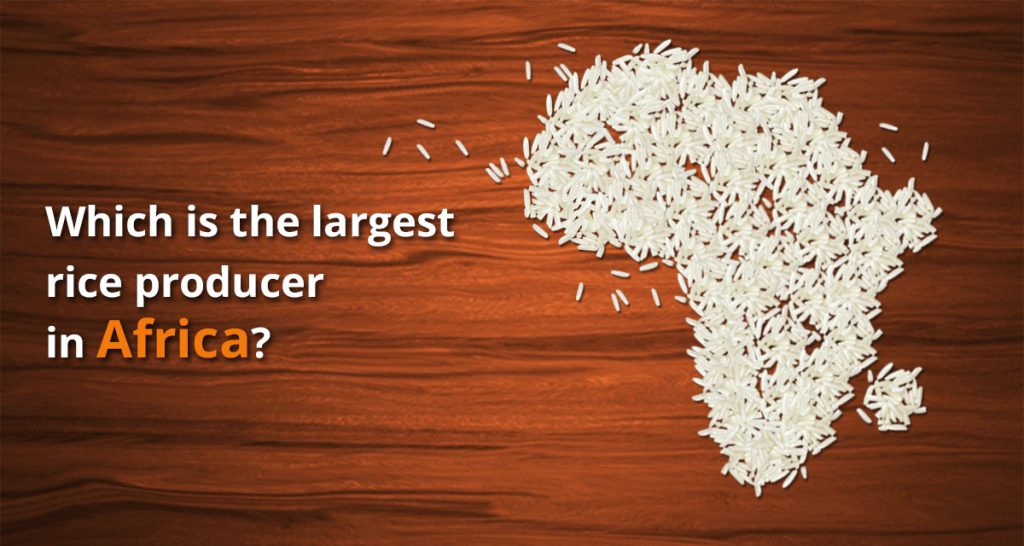
Rice is continuously gaining importance as a staple food in Africa. While Africa has vast areas of land that are suitable for rice cultivation, they are underutilized, prompting the African markets to import nearly 40% of its rice requirements at a cost of approximately US$1.1 billion per year. India, the world’s biggest rice exporter, saw 5% broken parboiled rice rise $7 per tonne to $352 to $357 per tonne, as aggressive purchases by the government and exporters pushed prices of unmilled rice in the local market. Rice prices in India have been increasing as demand from African buyers continues to grow and government agencies and exporters have been buying rice from local farmers in large quantities, while export markets in Thailand and Vietnam have been quiet due to the absence of many African buyers of rice. Rice importers in Africa have bought more rice from Myanmar and about 60 per cent of rice carried from sea routes are exported to Africa. Myanmar Rice Federation (MRF) is expected to export about three million tonnes of rice in 2020. China is now the top producer, top consumer, top stockholder, top importer and a “rising exporter” of rice. Almost two-thirds of Chinese rice exports were to Africa. Meanwhile, the amount of rice Thailand has been exporting, especially to Africa, has dwindled, as Thailand is left with only the no-longer-good-for-human consumption rice within the country’s domestic stocks. The rapid growth in sales to African nations is expected to continue as African buyers increasingly turn to China as stockpiles are almost depleted in rival supplier Thailand. China sold just over 781,000 tonnes of rice to almost 40 African countries including Ivory Coast and Senegal in 2017. That accounted for nearly 70 percent of China’s total shipments of the commodity, versus 19 percent in 2016. China has around 94 million tonnes of rice stockpiles, two-thirds of the world’s excess inventory and enough to feed India for a year. A lot of that was accumulated through years of the government buying the grain from farmers at a minimum price when the market price dropped below that level. Tanzania’s has recorded a 20% increase in rice imports from Pakistan valued at US$29.6 million between July and December 2017. With the growing demand for rice especially in urban areas, Tanzania is the major producer and supplier of rice in the region, while Kenya and Uganda are minor producers. Tanzania is set to overtake Madagascar to become the leading grower of rice in Africa, having produced over one million tonnes of rice per annum, coming second to Madagascar’s yearly output of 4.3 tonnes. Pakistan targets to export four-million-tonne rice annually to fetch US$2 billion in foreign exchange mainly driven by Chinese cooperation with the government and private sector in the field. Despite the fact that Tanzania is a major rice producer and exporter, it ranks number eight on the list of importers of the rice during the period and the third top African market after Kenya, which is ranked second and Madagascar in the fourth position. While Madagascar spend US$51.7 million, Kenya spend as high as US$98.6 million to buy rice from Pakistan, with Benin and Somalia also projected on the list of top importers from Africa. Zimbabwe is a net importer of rice and spends about $80 million annually to import the cereal. The acceleration in per capita rice consumption in Africa since the mid-1990s is due to the liberalization of rice imports combined with a downward trend of the price on the world market.

Ghana's Automotive market
folder_open Automobiles Sector
The automobile sector of Ghana has been a driver of growth of the country as it is one of the most visible sectors to receive foreign investment. Ghana is a multicultural and ethnically diverse West African nation and is the 9th largest African economy. On the Ibrahim Index of African Governance, Ghana ranks as the 7th best economy in Africa, which implies a relative safety of foreign investment in the region. Also, Ghana ranks relatively high in the ease of doing business index and also has an extremely high freedom of press rating, which makes it a good emerging market to invest in. Some of the popular car brands in the region are Toyota, Mercedes Benz, Mitsubishi, KIA, Nissan, Hyundai Volkswagen, Renault among others. Ghana’s manufacturing industry gets good support from the local government which has enabled it to become one of the 40 fastest growing industrial productions in the world. Industry currently accounts for a quarter of the GDP but by 2021 it is expected to account for at least 30% of the GDP and the main driver for the growth will be the automobile industry. AUTO PARTS INDUSTRY The African auto parts market for passenger vehicles is emerging as one of the most important re-export markets, growing more than 11 per cent year-on-year, and estimated to be worth US$7.68 billion in 2013 and based on the double-digit growth of demand in key Sub-Saharan countries, the value of the Africa’s auto parts market is likely to double by 2020. Countries such as Nigeria, Kenya, Uganda, Ghana, have witnessed double digit growth in demand of parts in the past five years.Focusing on the tremendous opportunities of doing business in the fast-emerging African market, there are currently more than 21.6 million cars on the continent’s roads which make up for nearly 70 per cent of spare parts consumption. There are five modes of automobile service business in Ghana, these are : New car dealers Independent garages/shops Specialty garages /shops Service stations or garages Fleet garages /shop However, the region still has its challenges. The African market is unstructured and the share of non-genuine parts is the biggest challenge to the automotive aftermarket in this region. Political issues, credit policies, and business sustainability related issues also impact the market, but these are mostly limited to Central Africa. Despite this the future outlook remained bright for those exporting to Africa, with the best opportunities existing in Kenya, Angola, Uganda, Nigeria and Ghana. GREY MARKET In any properly controlled economy, necessary agencies are put in place by the government to regulate the importation, sales and use of such products as important as an automobile. Sadly enough, this has not been the case with Ghana where there are many grey importers who knowingly or unknowingly would bring in vehicles that are neither environmentally conducive nor mechanically compliant. This definitely is an anathema that impedes national development. For example: • These grey imports make it impossible to render accurate sales figures hence the inability of economic planners to have the appropriate statistical figures to help plot growth in the sub-sector. • In views of this negative practice in the Ghanaian auto-market, the inherent results are environmental pollution with its health hazards and accidents. • Currently, this grey market is forming a significant part of the auto market that is fiercely competing against genuine products for sub-Saharan Africa with some manufactured in South Africa. The situation has established a very strong challenge for the organized and genuine auto market brand builders who invest their monies in the business for long term gain. The peculiar attractions based on opulence and hi-tech features take vast range of attentions comes with loads of problems when imported into the tropical zones like Ghana. • Instead of desired values, users have to grapple with increasing stress levels involved in the usage of the grey imported cars. • Due to the quality of these grey imports, the maintenance cost is usually very high, thereby creating financial nightmares for users. And a disturbing aspect is the distrust which customers develop for the genuine brand holders, thereby affecting the economic fortunes of the authentic auto brand builders. Most people we interviewed prefer to buy grey imported cars than the ones from the authorized dealers. They agreed that authorized dealers offer reliable cars with the best in-class services and warranty, but it comes with a price which is too huge for their pockets to bear. If they consider to acquire new cars from the authorized dealers, price, interest rate and terms of repayment are the major factors that discourage them. Used engines are in great demand in many African countries which have a big market for re-conditioned automobiles. Most of the African buyers have substantial requirements for quantities of automotive batteries, tyres, spare parts, ball bearings, water pumps and a host of electronic goods. People prefer buying used spare parts because they are genuine and are often in good condition. Every spare parts outlet may not provide the full range of used parts of all car models but together the market is capable of providing nearly 90 per cent of such parts. The diversified range of used mechanical and body parts of cars and engines has brought this business parallel to genuine and non-genuine new spare parts businesses as it offers big variety at affordable prices. There has been an increasing demand for automobile spares, ball bearings and lubricants in the fast developing markets of Africa. The rapid growth of the middle class in many African countries has pushed demand for automobiles to an all-time high – in turn creating a growing market for all kinds of tyres: passenger car tyres, off-the-road tyres, industrial tyres, agricultural tyres, truck, bus and trailer tyres as well as motorcycle and bicycle tyres. The rising demand for tyres in Africa has led to stiff competition between tyre manufacturers from all across the world seeking to garner a major share of the market for tyres in the new and emerging African markets. Traditionally, European tyre manufactures had had a monopoly over the African markets and many European brands were top selling tyres in many African countries. MARKET OPPORTUNITIES However, in recent times, European tyre firms are beginning to lose ground to Chinese and other Asian brands in several African markets. The African count ries are price-sensitive markets and prefer to import low-priced Chinese tyres rather than the expensive European and American brands. There is an equally strong market for sale and importation of used tyres in this region. Apart from Dunlop International the other three significant players in the African market for tyres are Continental, Bridgestone and Goodyear. GROWING OPPORTUNITIES Currently most of the consumers in the automobile segment belong to the affluent class hence the automobile industry inGhana presents massive opportunities for the future as the burgeoning middle class is largely untapped in the country. One of the major problems with Ghana that has been impeding the growth of the automobile sector is the lack of financial inclusion in the country. Most people do not have access to financial loans and other options like lease that make owning an automobile easy. While the global automotive industry is fiercely competitive, there are other factors that limit or even distort trade. For decades, various governments around the world have used trade distorting policies to support the creation and expansion of domestic automotive industries that were not otherwise economically feasible. This has been accomplished through combinations of subsidies, tariffs and non-tariff barriers. The market for automobile spare parts, in particular, has been an attractive sector for enterprises supplying these goods to many countries in Africa. The rapid industrialisation currently sweeping across many African countries has resulted in an increased demand for capital goods such as machinery, lubricants, spare parts, ball bearings and other mechanical accessories.
Preliminary request for participation in the trade show
place
calendar_today
Preliminary request for visitor registration
Visitor Registration
place
calendar_today