
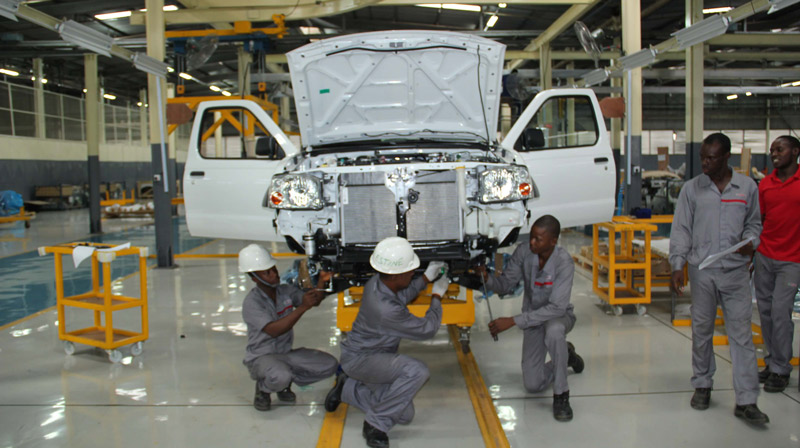
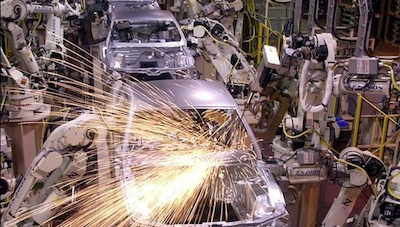
With the imminent ablishment of trade barriers under the African Continental Free Trade Area (AfCFTA), Ghana is poised to overtake Nigeria by becoming a gateway to the rest of West Africa, and a market leader in new car sales. The government of Ghana is also offering 10-year tax breaks to the automotive manufacturing industry in a bid to make Ghana the regional hub for car assembly and boost car sales in the local and regional markets. And a lot of international car makers are considering Ghana government’s invitation very seriously. Toyota, for instance, is aiming to collect 30% of the corporation’s total annual revenue, currently at $60b illion, from Africa in coming 20 years. Industry experts forecast that Africa will account for one-third of the world’s population by 2050, up from 17% now. Africa currently accounts for less than 1% of global annual new car sales. However, Toyota and other manufacturers will find it tough to immediately find a large consumer base in Ghana given the dominance of the used vehicle market. On the other hand, industry experts predict that new vehicle registrations in Ghana are expected to expand at an average annual rate of just 1.5% from 2019-28. On the other hand, retail and consumer spending is expected to grow in Ghana, which is benefiting from two decades of stable democratic government, making Ghana one of the fastest growing economies in the world in 2019, and a pro-business regime proactively attracting foreign investment. Kumasi, the capital of the Ashanti region, has long been a base for the automotive trade, serving the markets of landlocked neighbouring countries to the north as well as an access point for the important markets of Mali and Burkina Faso. Given the promise in the market, it is not just international giants that are looking to gain a foothold. Local electric car manufacturer Kantanka is hoping to capitalise on changing consumer patterns amid growing international concern over carbon emissions. CEO Kwadwo Safo Jnr has said the firm will build electric cars that can travel between Accra and Kumasi without recharging. The business has already received orders from the trade and agricultural ministries. With moves to encourage electric vehicles in Europe and North America, and sales in China growing to 1.4 million in 2019, the market could develop in tandem with a demand for traditional vehicles.
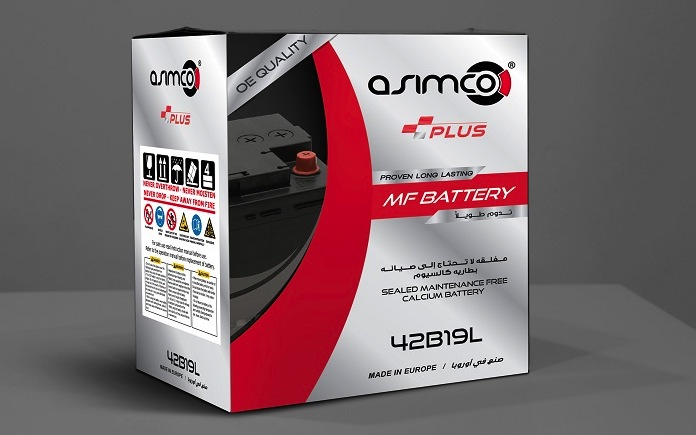
Dubai-based Al Muqarram Auto Spare Parts Trading (A-MAP) has launched ASIMCO PLUS batteries – its latest range of European automotive batteries that use CA 100 Technology to boost performance by using of calcium alloys. A-MAP unveiled the ASIMCO PLUS range on the first day of Automechanika Dubai, one of the leading automotive aftermarket exhibition. ASIMCO PLUS batteries have full frame optimised grid design that enhances the longevity of the battery life and the active material has been developed to endure the aggressive usage conditions in high heat environment of the Middle East region. Asimco Plus batteries are uniquely designed with a dedicated battery cover and include the latest Labyrinth System, Safety Caps, Flame Arrestors and central degassing which makes these batteries stronger, safer and more resistant to leaks and spills in demanding rough conditions. Available in a wide range to perfectly suit all kinds of motor vehicles, ASIMCO PLUS batteries are delivered filled and charged for a total maintenance free performance. Asimco is one of the main players in the automotive aftermarket and is highly recognized worldwide for its superior quality products since its establishment in 2001. Products under its portfolio include brake pads, brake shoes, fuel pumps, disc rotors and shock absorbers. Over the years, ASIMCO’s quality has supported strong growth in market share and is now sold in over 65 countries. A-MAP has expanded its comprehensive product range by obtaining the distribution rights of Asimco Batteries in the United Arab Emirates. ASIMCO PLUS batteries are manufactured in line with the highest quality standards and pass vigorous quality tests to ensure a hassle-free functioning. Today, most vehicles are ISS (Idle Start Stop) enabled. They run on AGM batteries that offer a notable performance improvement over conventional batteries. A-MAP aims to cater to this segment with their new brand, as ASIMCO PLUS batteries come equipped with AGM Technology which is ready for the modern vehicle with regenerative breaking and high energy demands,” said the company. Africa Business Pages is the media partner for the for A-MAP and promotes the company's products in new and emerging markets in Africa. You can contact A-MAP directly through their dedicated landing page HERE.
Nigeria’s Booming Auto Market
folder_open Automobiles Sector , West Africa
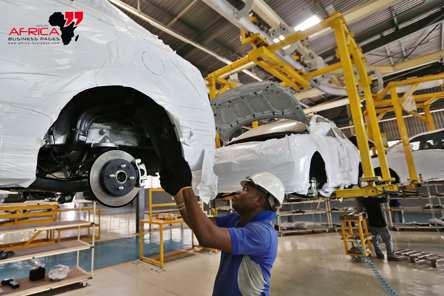
With a population of close to 180 million and a GDP of US$493 billion in 2015, Nigeria is the most populous country with the largest economy in Africa. Despite the current economic challenges facing the country due to low oil prices and a weakened currency, Nigeria still reveals robust economic growth of 2-4% in the medium term. Owing to the lack of domestic vehicle production, Nigeria is highly dependent on imports to meet its domestic demand. In 2014, passenger vehicles constituted the second-largest import category after petroleum oils or bituminous minerals. Overall automotive related imports stood at US$6.9 billion (passenger vehicle imports: US$2.9 billion) accounting for approximately 11.5% of Nigeria’s total imports. While auto imports recorded rapid growth between 2004 and 2014, the current slowdown in the economy and the recent introduction of high import duties on vehicles linked to the new automotive policy has led to approximately a two-third contraction in vehicle imports according to industry players. Second-hand vehicles dominate the import market. It is estimated that approximately 10% of vehicles imported to Nigeria are brand new. A large share of second-hand vehicles are imported from the US, given that vehicle specifications in this market are more in line with the demand and taste of Nigerian consumers, which is not always met by entry-level models from Europe. Importers of used cars in Africa are making a good profit importing used cars for resale from all across the world. Before the hike of import duties on second-hand vehicles, Nigeria imported more than 100,000 cars per year from the the US. In 2015, imports from the US had plummeted to less than 40,000 units. In addition to direct shipments to Nigeria, the Port of Cotonou in neighbouring Benin is a key transit point for second-hand vehicles destined for the Nigerian market. It is estimated that 85% of Benin’s used vehicle imports end up in Nigeria. In 2013, the European Union (EU) and the US exported approximately 300,000 cars to Benin. Based on the import figures for Benin, an additional 255,000 used cars from the EU and the US entered Nigeria via Benin. There is no culture of maintenance in Nigeria – people drive their cars until they break down and then fix them. Vehicle Numbers Depending on the source of data, the current vehicle fleet in the country ranges from 1.3 million vehicles to 10 million vehicles. According to the Federal Road Safety Corps the total fleet size was 1.65 million units in 2015, of which approximately one third are concentrated in Lagos State. Even applying the least conservative estimate of vehicles in use, namely 10 million vehicles, Nigeria’s motorisation rate is approximately one-third that of the global motorisation rate with less than 60 vehicles per 1 000 people. Due to the New Automotive Industry Development Plan (NAIDP) launched in 2014 that increased the prices for imported vehicles, and the economic slowdown triggered by low oil prices, Nigeria’s growth in fleet size slowed down remarkably in 2015. However, it is expected that in the short term fleet growth will stabilise in a range between 4.5% and 5.5% per annum. Vehicle Sales Despite being the most populous country in Africa, Nigeria’s new vehicle sales lag behind less populated countries such as Algeria, Egypt, Morocco and South Africa. According to industry players, the overall new and second-hand market combined ranges between 500,000 and 1 million units per year. Smuggling, grey imports of second-hand vehicles and the lack of reliable data however, make the exact size of Nigeria’s vehicle market and fleet size difficult to quantify. Challenges concerning the licencing and identification of vehicles further contribute to this difficulty. Imported second-hand vehicles, so-called tokunbos, dominate the Nigerian vehicle market as only a small segment of society is able to afford new vehicles. A representative of a leading automotive firm estimates that a mere 2% of the population is able to afford new vehicles given the current economic and financing environment. While commercial banks offer vehicle finance, accessing these credit facilities has become increasingly unattractive to individual consumers as credit facilities are provided at interest rates above 20% per annum and require at least a 10% down-payment. Commercial banks usually require repayment of vehicle loans within four years, due to the rapid depreciation of the value of vehicles given poor road conditions. According to one of the most established vehicle finance providers, the monthly repayment amount should not exceed 35% of the monthly income of the borrower. The short repayment-period as well as the high interest rates present a key challenge for low- and middle-income households when it comes to accessing vehicle finance. Due to the limited accessibility to and expensive financing of vehicles, new vehicles remain out of reach for most Nigerians and the largest share of current vehicle demand comes from the business community. Corporate buyers account for approximately 70% of overall new vehicle purchases, indicating the suppressed demand from private buyers, arguably the market segment with the largest growth potential. Through recently introduced promotional offers by banks in partnership with selected vehicle dealers, customers are able to access finance at a discounted rate for a limited number of vehicles and models. Indeed, the provision of alternative financing products, especially in-house financing by the automotive companies, is seen by industry players as a key requirement for the growth of the local market. However, in the absence of affordable finance solutions, secondhand vehicles remain the more attractive option for private vehicle buyers. According to a representative of a leading automotive company, second-hand passenger vehicles accounted for 80% of sales in 2014. The share of tokunbos in the commercial vehicle market is even larger, reaching up to 90% of the market according to a leading commercial vehicle manufacturer. New vehicle sales are dominated by Toyota which accounts for almost one third of new sales. Hyundai and Kia have established themselves as increasingly serious competitors to Toyota due to their competitive pricing and improved image in terms of quality. In 2015, the three Asian brands accounted for half of new vehicle sales in the country. The economic slowdown, the depreciation of the naira and the increase in vehicle prices due to the import duty hike had a substantial impact on new vehicles sales in 2015. Although vehicle sales saw positive growth post the global financial crisis, total new vehicle sales dropped by more than half in 2015, compared to 2014. The sharp decline of sales highlights the absence of sizeable and competitive domestic assembly that could provide an affordable alternative to imports and the dependency on vehicle imports to meet domestic demand. Production and Assembly Nigeria is no stranger to automotive assembly and manufacturing. Already in the 1970s Nigeria started assembling motor vehicles. In the 1970s and 1980s, the federal government of Nigeria partnered with six international automotive and commercial vehicle manufacturers to produce passenger and commercial vehicles locally from CKD kits. According to the National Automotive Council (NAC) these six companies had an initial installed capacity of 149,000 units per annum during the 1970s and 1980s. “Sometimes, cars are imported to be stripped for parts as availability of genuine parts is limited.” In addition to these plants, the Federal Government entered into five more agreements with international automotive companies to establish assembly plants in 1982, according to the National Automotive Design and Development Council Nigeria. These agreements included the establishment of plants by Isuzu in Maiduguri, Mazda in Umuahia, Mitsubishi in Ilorin, Nissan in Minna and Peugeot in Gusau. However, these plans did not materialise. Furthermore, due to inconsistent policy implementation, corruption, declining patronage by local and federal government departments and lack of reliable power supply, the output and capacity utilisation of the six existing plants declined rapidly. Symptomatic of the demise of Nigeria’s automotive industry was the stop of production activities by Peugeot Automobile Nigeria (PAN), Nigeria’s largest manufacturer, in 2010. Since then assembly plants have been lying dormant. By 2012, all of the country’s automotive manufacturers had been privatised as the government exited the existing partnerships, eroding any incentives for government departments to purchase locally assembled vehicles The launch of Nigeria’s NAIDP in 2014 and the subsequent hike in import tariffs for vehicles has attracted the interest of leading international carmakers and has led to the resumption of small scale vehicle assembly in the country. While the high import tariffs are aimed at encouraging local assembly, the sharp drop in vehicle sales in Nigeria in 2015 is a strong indication that this measure had an adverse impact on overall vehicle prices in the absence of a sufficient assembly base that could provide substitutes for imported vehicles. In 2015, local assembly was only able to cover 10-15% of the new vehicle market. According to a senior representative of one of the automotive companies present in Nigeria, approximately 1,000 passenger vehicles were assembled in Nigeria in 2015 – an even more conservative estimate. Currently, 35 companies are licensed to produce by the Nigerian Automotive Council under the NAIDP. Despite the increased focus on the automotive industry, the sector’s contribution to Nigeria’s GDP remains low at 0.07%. At present the vehicles are assembled from imported SKD kits with a limited degree of local inputs-sourcing due to the lack of a reliable and adequate domestic supplier base. While current assembly figures are low, with Peugeot Automobile Nigeria recording the largest number of vehicles assembled in 2015 with 400 units, the automotive companies aim at increasing their annual output in order to capitalise on the long-term growth prospects of the Nigerian market. However, due to the current economic slowdown, expansion plans are likely to be delayed as reflected in the decline of employment levels in some of the assembly facilities.

Ethiopia is the latest African country to strike a deal with German automaker Volkswagen, following Ghana and Nigeria in 2018. The deal will see Volkswagen support Ethiopia in developing its automotive industry by establishing a vehicle assembly facility, localizing automotive components, introducing mobility concepts such as app-based car sharing and ride hailing as well as the opening of a training center. Thus, Volkswagen will work closely with the Ethiopian higher education and training institutions for skills development and capacity building of local talent. Ethiopia has the world's lowest rate of car ownership, with only two cars per 1,000 inhabitants, according to a recent report. Many Ethiopians have found owning a car too expensive because of import taxes of up to 200%. Once all taxes are added to an imported car's price tag, it could cost nearly three times more than the retail price in its country of origin. However, despite the heavy tax burden, there is a rise in the numbers of car imports. “As one of the fastest growing economies and with the second highest population in the continent, Ethiopia is an ideal country to advance our Sub-Saharan Africa development strategy,” said Thomas Schaefer, Head of the Volkswagen Sub-Saharan Africa Region, who signed a Memorandum of Understanding (MoU) with the Commissioner of the Ethiopian Investment Commission (EIC), Abebe Abebayehu in the presence of President of the Federal Republic of Germany, Frank-Walter Steinmeier and the Ethiopian Minister of Finance, Ahmed Shide. Ethiopia’s economy has grown impressively over the last decade. The country has also seen a recent wave of reforms which is increasing investor confidence in the country. Indian apparel maker KPR Export Plc. which invested in the country last year has started exporting from its base at the Mekelle Industrial Park in Ethiopia, shipping its first container to the European Union. Commenting on KPR’s export, Abebayehu noted that “industrial parks help attract and retain quality investors with sound capital, strong technology spillover and export growth contribution potential”. It is one of the reasons why Volkswagen is keen on Ethiopia. “Additionally, Volkswagen intends on tapping into existing expertise and strategic resources in Ethiopia to help to establish a thriving automotive components industry,” Shaefer said. Under its TRANSFORM 2025+ brand strategy, Volkswagen is strengthening the regions and focusing on new up-and-coming markets, with the Sub-Saharan Africa region seen as an important part of this. Last year, the company signed an MoU with Ghana that will see it establish a vehicle assembly facility and conduct a feasibility study for an integrated mobility solutions concept. In Nigeria, Volkswagen implemented a phased approach of vehicle assembly with a long-term view of establishing Nigeria as an automotive hub in West Africa. The car maker which has been manufacturing vehicles in South Africa since 1951 already has vehicle assembly operations in Algeria, Kenya and Rwanda. With a fast growing economy and stellar performance on Foreign Direct Investment inflow, Ethiopia is asserting itself as a competitive and preferred location of choice for investment.
Export Used Cars To Africa: Importers in Africa of used Cars Do Thriving Business
folder_open Automobiles Sector
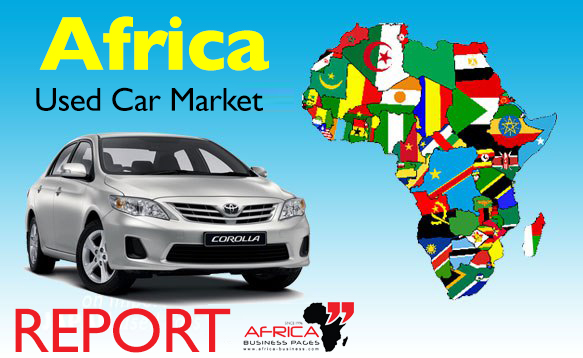
Second-hand cars have been finding their way to African markets for many years. The market for used cars in Africa is poised for further growth as Africa is by far the least motorized region on the planet with only 44 registered vehicles per 1,000 inhabitants. The global average, on the other had, stands at 180 vehicles per 1,000 inhabitants – which reflects the tremendous growth potential in the market for used cars in the African market in the future. Demand for used cars in many African countries is soaring due to an emerging African middle class and increasing levels of disposable incomes. Nigeria is the biggest market for used cars in Africa, and is also one of the most affluent in the Sub-Saharan region. The country boasts a population of over 140 million with approximately 40 million currently belonging to the rapidly emerging middle class. While new car sales are slowly picking up across the country, used sales still best those of new vehicles by a ratio of 4:1. Apart from South Africa and the North African countries the rest of the continent is poised for a major increase in demand for second-hand cars over the coming years. It is estimated that by 2030 car ownership will more than double to reach a healthy number of 90 million registered vehicles. In East Africa, more than 96 per cent of vehicles imported into Kenya are used ones. Its neighbour, Ethiopia, along with Nigeria, is one of the largest importers of used vehicles globally. Given the current limited disposable income, Ethiopia’s automotive market is dominated by second-hand imported vehicles – particularly commercial vehicles. Commercial vehicles are Ethiopia’s second most valuable import overall, worth over US$850 million. Approximately 85 per cent vehicles in Ethiopia are second-hand imports, of which almost 90% are Toyotas, imported primarily from the Middle East – mostly from Dubai. Every year, around 800,000 used cars are exported to the top ten sub-Saharan African importers from Japan, EU and the United States. Japan, alone, exports used vehicles to at least 13 African countries via the UAE. Its market is spread across eastern and southern Africa with Kenya, Uganda and Tanzania having a large user base. The European Union is the second largest exporter of used vehicles to Africa, supplying to at least 15 countries in North Africa. Germany is a major exporter of used cars to Africa garnering over half of EU car exports to Africa (53 per cent). Region-wise, West Africa is clearly ahead of the rest of Africa as it imports over 900,000 used cars every year, which is approximately 70 per cent of total imported vehicles in Africa. Central Africa contributes the least to used car business and imports an average of 65,000 vehicles per annum. Interestingly, it is slightly higher than what Kenya, alone, imports in one year on an average. Japanese Used Cars On one hand, we have Africa, the biggest consumer of second hand cars in the world, and on the other hand we have the Far East. Japanese used car exporters have been successful in meeting Africa’s need for used cars. It is indeed a very agreeable trade agreement between Japan and Africa. Not only is Africa, as a continent, the largest importer of used cars, but owing to the global crisis that hit most parts of the world in 2008/2009, Kenya toppled Chile and Russia from the top, to become the largest importer of Japanese used cars in Africa and the world. Owing to the lack of parts support and dealership networks, the top priority of Africans when buying used cars is reliability – and that means they want Japanese cars. Even though Europe is much closer to Africa (and, therefore, shipping used cars should be cheaper), Japanese cars are still relatively rare in Europe. In North America, Japanese cars are common, which is why so many are brought over from the USA. When it comes to the types of cars, unsurprisingly, Toyota and VW dominate both the new and used car space, capturing more than 35% of the new and used passenger financed volumes. Most models of Toyota are particularly popular in Africa – including the Aygo, Corolla Quest, Etios, Avanza and Yards, which boasts a good reputation and they’re perceived to be reliable and easy to maintain. Nigerian Used Car Market Large numbers of used cars are smuggled into Nigeria from Benin and Togo. Car importers in Benin legally import used cars from Europe, but then export them illegally to Nigeria. In the process, used car importers in Benin and Togo are making good profits by servicing the demand for used cars in Nigeria. Most cars imported into Togo and Benin are finally destined for Nigeria. “The price of cars will go up, and the smuggling will increase. There are 200 roads through the bush to come to Nigeria, the borders are porous,” said one car dealer in Benin. The reason for the rise in this illegal trade in used cars is the high import duties which Nigeria imposes on the importation of second-hand vehicles. Moreover, Nigeria has banned the import of vehicles older than 10 years. All in all, the used car business in Africa will continue to grow as more and more Africans enjoy the benefits of economic prosperity sweeping across Africa and benefit from rising disposable incomes and move to upgrade their lifestyles. Africa Business Pages has compiled the Africa Car Importers Directory – a special directory of importers of cars in Africa – with special emphasis on used car importers – that is now available for download and provides a comprehensive list of used car dealers in Africa.
Ghana's Automotive market
folder_open Automobiles Sector
The automobile sector of Ghana has been a driver of growth of the country as it is one of the most visible sectors to receive foreign investment. Ghana is a multicultural and ethnically diverse West African nation and is the 9th largest African economy. On the Ibrahim Index of African Governance, Ghana ranks as the 7th best economy in Africa, which implies a relative safety of foreign investment in the region. Also, Ghana ranks relatively high in the ease of doing business index and also has an extremely high freedom of press rating, which makes it a good emerging market to invest in. Some of the popular car brands in the region are Toyota, Mercedes Benz, Mitsubishi, KIA, Nissan, Hyundai Volkswagen, Renault among others. Ghana’s manufacturing industry gets good support from the local government which has enabled it to become one of the 40 fastest growing industrial productions in the world. Industry currently accounts for a quarter of the GDP but by 2021 it is expected to account for at least 30% of the GDP and the main driver for the growth will be the automobile industry. AUTO PARTS INDUSTRY The African auto parts market for passenger vehicles is emerging as one of the most important re-export markets, growing more than 11 per cent year-on-year, and estimated to be worth US$7.68 billion in 2013 and based on the double-digit growth of demand in key Sub-Saharan countries, the value of the Africa’s auto parts market is likely to double by 2020. Countries such as Nigeria, Kenya, Uganda, Ghana, have witnessed double digit growth in demand of parts in the past five years.Focusing on the tremendous opportunities of doing business in the fast-emerging African market, there are currently more than 21.6 million cars on the continent’s roads which make up for nearly 70 per cent of spare parts consumption. There are five modes of automobile service business in Ghana, these are : New car dealers Independent garages/shops Specialty garages /shops Service stations or garages Fleet garages /shop However, the region still has its challenges. The African market is unstructured and the share of non-genuine parts is the biggest challenge to the automotive aftermarket in this region. Political issues, credit policies, and business sustainability related issues also impact the market, but these are mostly limited to Central Africa. Despite this the future outlook remained bright for those exporting to Africa, with the best opportunities existing in Kenya, Angola, Uganda, Nigeria and Ghana. GREY MARKET In any properly controlled economy, necessary agencies are put in place by the government to regulate the importation, sales and use of such products as important as an automobile. Sadly enough, this has not been the case with Ghana where there are many grey importers who knowingly or unknowingly would bring in vehicles that are neither environmentally conducive nor mechanically compliant. This definitely is an anathema that impedes national development. For example: • These grey imports make it impossible to render accurate sales figures hence the inability of economic planners to have the appropriate statistical figures to help plot growth in the sub-sector. • In views of this negative practice in the Ghanaian auto-market, the inherent results are environmental pollution with its health hazards and accidents. • Currently, this grey market is forming a significant part of the auto market that is fiercely competing against genuine products for sub-Saharan Africa with some manufactured in South Africa. The situation has established a very strong challenge for the organized and genuine auto market brand builders who invest their monies in the business for long term gain. The peculiar attractions based on opulence and hi-tech features take vast range of attentions comes with loads of problems when imported into the tropical zones like Ghana. • Instead of desired values, users have to grapple with increasing stress levels involved in the usage of the grey imported cars. • Due to the quality of these grey imports, the maintenance cost is usually very high, thereby creating financial nightmares for users. And a disturbing aspect is the distrust which customers develop for the genuine brand holders, thereby affecting the economic fortunes of the authentic auto brand builders. Most people we interviewed prefer to buy grey imported cars than the ones from the authorized dealers. They agreed that authorized dealers offer reliable cars with the best in-class services and warranty, but it comes with a price which is too huge for their pockets to bear. If they consider to acquire new cars from the authorized dealers, price, interest rate and terms of repayment are the major factors that discourage them. Used engines are in great demand in many African countries which have a big market for re-conditioned automobiles. Most of the African buyers have substantial requirements for quantities of automotive batteries, tyres, spare parts, ball bearings, water pumps and a host of electronic goods. People prefer buying used spare parts because they are genuine and are often in good condition. Every spare parts outlet may not provide the full range of used parts of all car models but together the market is capable of providing nearly 90 per cent of such parts. The diversified range of used mechanical and body parts of cars and engines has brought this business parallel to genuine and non-genuine new spare parts businesses as it offers big variety at affordable prices. There has been an increasing demand for automobile spares, ball bearings and lubricants in the fast developing markets of Africa. The rapid growth of the middle class in many African countries has pushed demand for automobiles to an all-time high – in turn creating a growing market for all kinds of tyres: passenger car tyres, off-the-road tyres, industrial tyres, agricultural tyres, truck, bus and trailer tyres as well as motorcycle and bicycle tyres. The rising demand for tyres in Africa has led to stiff competition between tyre manufacturers from all across the world seeking to garner a major share of the market for tyres in the new and emerging African markets. Traditionally, European tyre manufactures had had a monopoly over the African markets and many European brands were top selling tyres in many African countries. MARKET OPPORTUNITIES However, in recent times, European tyre firms are beginning to lose ground to Chinese and other Asian brands in several African markets. The African count ries are price-sensitive markets and prefer to import low-priced Chinese tyres rather than the expensive European and American brands. There is an equally strong market for sale and importation of used tyres in this region. Apart from Dunlop International the other three significant players in the African market for tyres are Continental, Bridgestone and Goodyear. GROWING OPPORTUNITIES Currently most of the consumers in the automobile segment belong to the affluent class hence the automobile industry inGhana presents massive opportunities for the future as the burgeoning middle class is largely untapped in the country. One of the major problems with Ghana that has been impeding the growth of the automobile sector is the lack of financial inclusion in the country. Most people do not have access to financial loans and other options like lease that make owning an automobile easy. While the global automotive industry is fiercely competitive, there are other factors that limit or even distort trade. For decades, various governments around the world have used trade distorting policies to support the creation and expansion of domestic automotive industries that were not otherwise economically feasible. This has been accomplished through combinations of subsidies, tariffs and non-tariff barriers. The market for automobile spare parts, in particular, has been an attractive sector for enterprises supplying these goods to many countries in Africa. The rapid industrialisation currently sweeping across many African countries has resulted in an increased demand for capital goods such as machinery, lubricants, spare parts, ball bearings and other mechanical accessories.
Michelin ties up with CFAO to boost tyre sales in East Africa
folder_open Automobiles Sector , East Africa
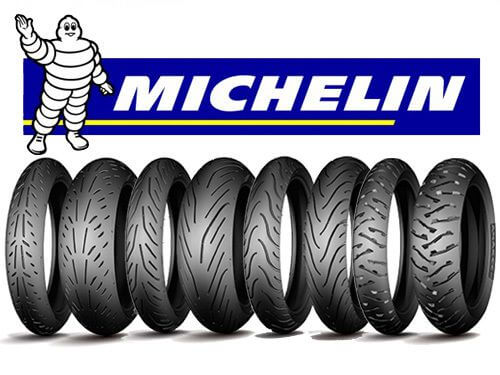
Michelin Tyres is targeting Africa to further consolidate its sales and distribution network in East Africa and has partnered with CFAO, a renowned distributor of industrial products with outlets and distribution networks all across Africa. The joint venture between Michelin Tyres and CFAO will oversee the import and distribution of high-quality tyres in Kenya and Uganda. A new company has been formed specially for this joint venture in which Michelin holds a 49 percent share and the remaining 51 percent are with CFAO. Administration of the new entity will be divided equally between Michelin Tyres and CFAO. The new company will supply tyres for both heavy duty as well as smaller vehicles. This will depend largely on the business relationships built by Michelin over the years. “With growth rates of 4.5 per cent for Uganda and 5.5 per cent for Kenya in 2017, these markets are very dynamic,” adds Richard Bielle, chairman and chief executive officer of CFAO. “As a result, they are of interest to the biggest players in the global industry. CFAO’s alliance with Michelin illustrates our know-how on the continent – providing our partners with immediate solutions to develop markets and to offer consumers high quality products and services.” This new development is just another case of Michelin's objective of acquiring a stake in the distribution channels of its closest competitors. One of Michelin's acquisitions Ihle Holding AG has also been used in the acquisitions of German-based whole sellers.They have also entered into a 50-50 partnership with Nex Tyres SL in a wholesale joint venture in Spain. The company announced another identical venture earlier this year in North America with Sumitomo Corporation to tap the markets in the US and Mexico. Tyre sales in East Africa have been rising over the years and have made East Africa an attractive market for tyre dealers, manufacturers and stockists. many tyre dealers in Dubai have been actively supplying all kinds of tyres, tubes and batteries to the East African markets like Kenya, Uganda, Tanzania, Rwanda, Burundi, Ethiopia and Sudan. As demand for tyres increases in East Africa, more and more multi-nationals are expected to enter the fray and expand their sales and distribution networks by appointing agents and distributors for their products.

Nairobi to Have Flying Taxis
folder_open Articles , Automobiles Sector
Last year Uber promised flying taxis in several cities by 2020. But the company will be relying on variety of partners to provide the actual vehicles and systems required to have a working flying taxi service in a city. The cars will be efficient in fuel use, safe and no noise compared to helicopters. McFly, the company that intends to introduce the service in Kenya will use an initial production cost worth $120,000 per vehicle. However, that is expected to reduce to $30,000 once they start producing in bulk. The trip will cost $8 per minute. But pricing will depend on grid’s load. Passengers will be picked up at the nearest helipad or heliport and dropped at the nearest pad to their destination, and will take a 5-10-minute walk at either end. US-based tech firms Facebook and Uber have also requested permission from Kenya's aviation regulator to test drone activities following legalisation of the Unmanned Aerial Vehicles (UAVs). The Kenya Civil Aviation Authority (KCAA) says the tech giants have shown interest in use of drones in the country following adoption of regulations to guide operation of the devices. The move makes Kenya the third country on the continent after Rwanda and South Africa to have a legal framework in place for the remotely controlled aircraft. Meanwhile, at least 19 companies are also working on flying taxis. Amongst them are big names like Airbus and Boeing (who have completed initial flight tests of an electric unmanned cargo aerial vehicle prototype), as well as small startups like Kitty Hawk, owned by Google founder Larry Page. Dallas, Dubai and Los Angeles are the first three cities where Uber plans to launch a pilot service by 2020. Uber has signed a Space Act Agreement with NASA to create a brand-new air traffic control system. Dubai's Road and Transport Authority (RTA) hopes that airborne taxi services will make up a quarter of all transport in the city by 2030 and Singapore is also investing in flying, driverless drones to resolve traffic problems. Introducing flying taxi services in cities will be a complicated and cumbersome task, but given the rising traffic problems in urban areas all across the world, flying cars and taxis seem to the only viable solution.

Tanzania is adopting tough measures to check the the inflow of substandard lubricants into the country. Tanzania is an important market for lubricants in Africa. This was announced in the backdrop of the announcement by the Government Chemist Laboratory Agency (GCLA) that over 50 per cent of imported lubricants in the country are of inferior quality. Industry, Trade and Investment Minister Charles Mwijage said the new measures will involve strict restriction and regulation of lubricant dealers. Tanzania consumes 30 million litres of lubricants annually, with 20 million litres produced in the country and the remaining 10 million litres imported. EWURA has licensed only four local firms, Oryx Energies, Petrolube, General Petroleum and Tanzania Mineral Oil, to produce lubricants. “The government had realised that liberalisation of the business has turned into a serious problem,” said Charles Mwijage. “The ministry was aware of the proliferation of trashy lubricants in the market, with many cases at police involving dealers of shoddy products,” he said. “We want to introduce a strict system that will allow only special dealers to trade in lubricants … these are special products that should not be indiscriminately sold,” he said, adding, “Under the new system, consumers will be barred from buying the lubricants from uncertified dealers … they will only get the products from special outlets.” The minister noted with concerns the massive damages that the sub-standard lubricating oils cause to the vehicles. The new measures will ensure that the dealers are obliged to submit to Tanzania Bureau of Standards (TBS) a ‘Notice of Intention to Import’ prior to the lubricant importation. Under the arrangement, importation will only be effected subject to TBS approval after scrutinising the specifications of the lubricants. TBS will implement all the measures in collaboration with GCLA and the Energy and Water Utilities Regulatory Authority (EWURA), said the minister. “TBS should agree with EWURA on the modalities to go about it… they should work together,” the minister stressed. TBS announced recently that it had nabbed some dishonest people whom it accused of illegal production of the lubricants in Temeke and Ilala districts. TBS Acting Director General, Egid Mubofu, said an unregistered factory in Temeke District was identified and closed during the operation, pending prosecution of its owners. He said 12,296 litres of sub-standard engine oil, 811 litres of brake fluid and 1,241 litres of ATF lubricant were impounded. The value of the entire consignment is estimated at 46m/-. Dr Mubofu called on producers and importers of lubricants to ensure that they sell standard and quality products, saying TBS will continue collaborating with other agencies like the Police and Tanzania Revenue Authority (TRA) on its crackdown against illegal dealers
A-MAP launches promotional campaign in Ethiopia to promote ASIMCO auto parts
folder_open Automobiles Sector
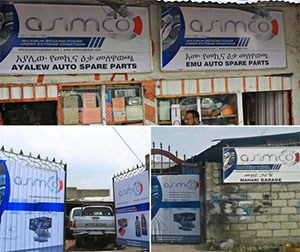
In an effort to further increase the popularity and reach of ASIMCO auto parts in Ethiopia, Al Muqarram Auto Parts (A-MAP) has launched aggressive promotional campaign in Ethiopia. An extensive advertising and marketing campaign to promote ASIMCO automotive spare parts in the Ethiopian market has been launched by A-MAP. As a result, ASIMCO shop boards and posters are now visible across Ethiopia in auto service centers as well as spare parts shops. Ethiopia is one of Africa’s fastest growing economies and has the continent’s second largest population. Asimco has established a precedence for developing and manufacturing premium friction products. Asimco is highly recognized for its excellent quality products since its introduction to the market in 2001. Products under its portfolio include brake pads, brake shoes, fuel pump, brake fluid, disc rotor and shock absorber. Over the years, Asimco’s quality supported the strong growth in market share and sold in almost 65 countries. Asimco Brake pads and shoes are designed to give drivers amazing brake feel with the longevity you expect from a premium brake product. Asimco product is sold as a kit when servicing a vehicle, it includes premium shims manufactured by MSC to reduce braking harmonics to almost an inaudible level. Where applicable hardware is provided and anodized to increase the life of accessory components to prevent rust and various road conditions from degrading the products life span. With over 15 years experience, A-MAP has emerged as a global market leader, specializing in the distribution of quality and reliable aftermarket automotive spare parts. A-MAP not only distributes products, it distributes excellence. A-MAP has a series of successful and well known trusted brands worldwide, among them being Solite Batteries, Sebang Batteries, Hyundai Xteer Lubricants, Asimco Brake Pads, Achilles Tyres and RBI Rubber Parts. With the headquarters operating in Dubai, A-MAP has a network of branches fully operational in China, South Africa and Qatar. The company aims to continuously expanding due to our perfection and quality of products.
Preliminary request for participation in the trade show
place
calendar_today
Preliminary request for visitor registration
Visitor Registration
place
calendar_today