
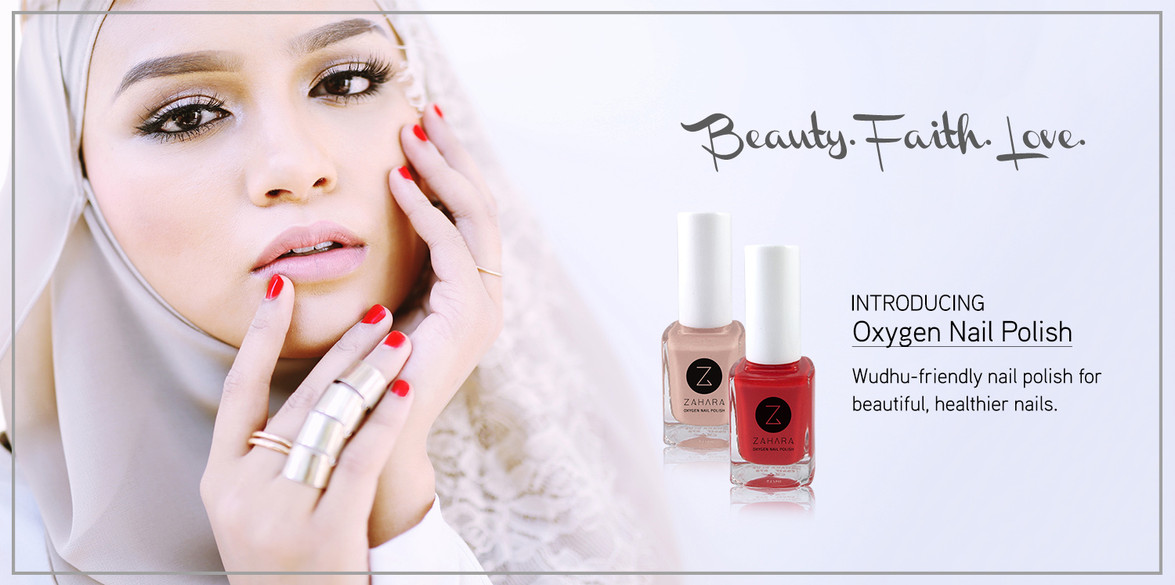
The halal beauty market has already taken off in the Middle East and Asia, but now it’s set to become established in the West. Therefore, there is an opportunity for natural and organic brands to easily adjust their ingredients and production methods to meet halal certification. The worldwide halal cosmetics market is estimated to grow at a CAGR of 6.0% between 2018 and 2026. The market is projected to witness significant growth over the forecast period, primarily due to the growing Muslim population across the globe. In addition, the growing population of absolute vegans worldwide is acting as another driver propelling the halal cosmetics market growth. The term "halal," as it applies to cosmetics, simply means products that have been manufactured, produced and composed of ingredients permissible under Islamic Sharia law. Other ingredients are deemed "haram," meaning their consumption is forbidden. While cosmetics are usually applied topically, the skin is the body's largest and most absorptive organ — as Gwyneth Paltrow and other advocates of natural beauty products would be the first to remind you — so it's plausible that users still consume ingredients indirectly. Hence, many religious Muslims seek alternatives to mainstream makeup brands. Rise of the Mipster Theresa Yee, Beauty Editor for trend forecaster WGSN, says the Muslim hipster, or ‘Mipster’, is a growing demographic. These consumers are looking for brands that don’t compromise on their faith or religion while finding products that fit into their 21st century lifestyles. She adds: “As Halal beauty products are formulated with natural ingredients and are vegan and vegetarian-friendly, there is potential for brands to reach out to non- Muslim consumers as well as those who are interested in vegan and organic beauty products.” Nails Inc., for example, has produced a wash-off polish for daily prayer. Halal nail polish has already become a big seller. Muslim women have to perform ablution before praying five times a day, and it’s unanimously agreed upon that water must touch the surface of the nail for the ritual to be done completely. Therefore, water/oxygen permeable nail polish allows for women to don their favourite mani and still observe a compulsory pillar of their faith. According to a recent report by Grand View Research, the global halal cosmetics market was valued at 16.32 billion USD in 2015 and it's expected to reach 52.02 billion USD by 2025. Why the sudden uptick? The halal market isn't trying to be the next health craze boasting the latest and greatest; rather, it's filling a void in the industry for which there was always a demand. Muslims comprise more than 23 percent of the global population, according to a Pew Research Center estimate, and younger generations are emerging as conscious consumers. Their purchasing power has merely amplified the demand for a developing halal market and, as a result, companies are being pushed to diversify their product offerings. They're therefore now more than ever obliged to comply with halal certification requirements that are increasingly necessary to export to certain countries — so a lot more labels are being disseminated. "The demand has always been there worldwide, especially in Muslim countries," says Safia Ghanim, technical auditor and manager of the ISWA Halal Certification Department at the USA Halal Chamber of Commerce, Inc. "Halal isn't another trend. For Muslims, Islam is our way of life, which includes consuming and using Halal products." Opportunities ahead Amarjit Sahota, founder of Ecovia Intelligence (formerly Organic Monitor) told Cosmetics Business: “A small number of brands are catering to this growing segment by developing cosmetics that are certified natural/organic and halal.” Examples include the UK’s Saaf Skincare and the UAE’s SCO, which is considering seeking halal certification. “Our products are made with certified organic ingredients, do not contain alcohol or animal byproducts and are tested on willing humans, so we fit into both categories. Therefore, it makes sense for us to go for a halal certification,” says founder of Shirley Conlon Organics (SCO). Halal certification explained The Halal Cosmetics Company, created by Salma Chaudhry under the brand Halalcosco, is first halal certified brand to launch in a major supermarket chain in the UK. Halalcosco’s range, including skin care and cleansing products, was launched exclusively in Asda stores in May 2017. Salma Chaudhry, the owner of Halalcosco, was named Entrepreneur of the Year at the Fusion Awards in 2013. She will be at this year’s Cosmetic Business Regulatory Summit presenting an overview of the regulatory parameters for halal certification.
Acquisitions: The new trend in Kenya's cosmetic industry
folder_open Cosmetics, Perfumes & Toiletries , East Africa
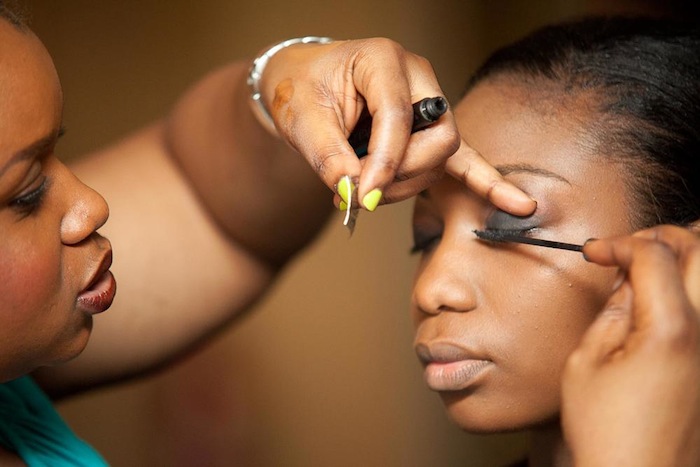
The beauty and cosmetics industry has become Kenya’s new hub of investment that is pulling in big money to establish new lines of business and to snap up successful enterprises through multi-million shilling acquisition deals. That statement was firmly made when Flame Tree Group acquired a local start-up Suzie Beauty in a deal estimated to be worth millions of shillings. The Flame Tree Group said it made the acquisition as part of a larger plan to expand its fast moving consumer goods business, especially in cosmetics where it is already a big player. “Suzie Beauty is a strong brand in Kenya with a niche target. Of the beauty products in our portfolio, all are mass market goods. Suzie Beauty is a niche product that gives us reach to the high-end market,” said Heril Bangera, chief executive officer of Flame Tree Group. Suzie is the fourth acquisition that the Flame Tree Group has made since its 2014 listing on the Nairobi Securities Exchange. The beauty products maker bought Miss Africa, Black Angel and Beauty plus hair brands from Beauty Plus Trading East Africa before taking in Monalisa skincare brand shortly thereafter. Kenya’s colour cosmetics market is estimated to be worth Sh5.4 billion and is expected to grow to Sh6.6 billion by the end of 2018. The Flame Tree Group’s annual report for 2014 says the cosmetics division, under the manufacturing arm, accounted for 74 per cent of the company’s portfolio with the rest going to the trading arm. The Suzie Beauty takeover comes barely two years after French beauty and cosmetics giant L’Oreal acquired Nice & Lovely range of products from Paul Kinuthia startup InterConsumer in a deal worth more than Sh1.5 billion. L’Oreal, one of the largest cosmetic groups in the world, purchased InterConsumer Products, targeting Kenya’s fast-growing lower end of the market, where it had no presence. That gamble paid off when the company clocked 40 million units in sales after the acquisition, up from just 2 million the year before. Kenya is about to hit a growth period, especially in the colour cosmetics field, as new brands enter the market. Due to its geographical position and relative market sophistication, Kenya is generally seen as a regional hub which provides entrance into the East African Community (EAC) region. Mid-market cosmetic brands like Victoria’s Secret, Sleek, Petal Fresh, Freeman, Mary Kay, Simple, Bath & Body Work, Black Opal, Flori Roberts, Ombia (Austria) are popular in Kenya. Locally produced emerging brands include SuzieBeauty. Popular haircare and hair accessories brands include Golden Perfect, Imaj, Fashion Idol, Hair Culture, Organics, Rio, Glitter & Glam, Africa’s Best, Alba Botanica, Avalon Organics, Lady Rainbow, Freeman, L’Oreal, Babyliss, Ceriotti. Grape and Eve. Kenya’s use of personal care cosmetic products ranks third behind South Africa and Nigeria in sub-Saharan Africa. In the coming 5 years, beauty and personal care market is expected to see a steady increase in volume, increased competition among local and international players and widening of product base to suit varying consumer profiles. Distribution Channels The increasing reach of retail outlets in residential areas and their ease of accessibility for local residents have made these the preferred channels of distribution to reach consumers in Kenya’s urban centres. In recent years, the rising popularity of mall-culture among the Kenya’s urban population has further strengthened the value of this important distribution channel to reach Kenya’s rising middle class. However, most middle- and lower income group consumers still purchase their products from outdoor markets and supermarkets, which stock a wide variety of products at affordable prices. The high-income consumer groups however prefers to do their buying at health and beauty retailers located in wealthier residential markets and shopping malls.

The beauty and cosmetics industry in Kenya
folder_open Cosmetics, Perfumes & Toiletries , East Africa
The beauty and cosmetics industry has become Kenya’s new hub of investment that is pulling in big money to establish new lines of business and to snap up successful enterprises through multi-million-shilling acquisition deals. This is due to the economic restructuring and regional integration measures adopted by many governments in the region which has, in turn, created a rising middle class that craves for new consumer and luxury goods. Cosmetics play an important role in enhancing one’s inherent beauty and physical features. Men have also joined this industry with a number of products designed for them lately, which was not the case before. They are increasingly using cosmetics in their daily routine including various types of fragrances and deodorants. This growing demand for cosmetic products has, in turn, led to the growth of cosmetics market not only in Kenya but also across the world. As far as Kenya is concerned, the key drivers of the Kenyan economy include a strong population growth, a growing number of people belonging to the middle-class and an educated workforce. Increased growth of the beauty and personal care market in Kenya, combined with the fact that Kenya is recognized as the sales and distribution hub for the larger East African market, has attracted many international brands. Improvement and change in the current lifestyles of individuals have been among the key factors to the major growth of the Kenya Beauty and cosmetics industry. Consumers have now become more conscious regarding the usage of cosmetics in their daily lives in an effort to step up their style quotient and overall personality. Clearly, this is a huge market where men and women splash on themselves to look good and smell nice. Major cosmetic companies in the country have been increasing their sales in emerging markets like Kenya, where the beauty industry is valued at over 100 billion shillings, as customers become more conscious about their looks and grooming. As of 2017, Kenya’s color cosmetics market is estimated to be worth 5.4 billion shillings and is expected to grow to 6.6 billion shillings in 2018. Kenya also benefits from a dynamic private sector in which Kenya seems to have become the regional leader. Therefore, Kenya presents promising opportunities in the beauty and cosmetics sector by offering avenues for greater regional expansion through its well-developed infrastructure. The beauty and cosmetics market in Kenya is more mature and multinationals are edging out local companies. But industry watchers say the country is about to hit a growth period, especially in the colour cosmetics field, as new brands enter the market. Due to its geographical position and relative market sophistication, Kenya is generally seen as a regional hub which provides entrance into the East African Community (EAC) region. Mid-market cosmetic brands like Victoria’s Secret, Sleek, Petal Fresh, Freeman, Mary Kay, Simple, Bath & Body Work, Black Opal, Flori Roberts, Ombia (Austria) are popular in Kenya. Locally produced emerging brands include SuzieBeauty. Popular haircare and hair accessories brands include Golden Perfect, Imaj, Fashion Idol, Hair Culture, Organics, Rio, Glitter & Glam, Africa’s Best, Alba Botanica, Avalon Organics, Lady Rainbow, Freeman, L’Oreal, Babyliss, Ceriotti. Grape and Eve. Kenya’s use of personal care cosmetic products ranks third behind South Africa and Nigeria in sub-Saharan Africa. In the coming 5 years, beauty and personal care market is expected to see a steady increase in volume, increased competition among local and international players and widening of product base to suit varying consumer profiles. Distribution Channels The increasing reach of retail outlets in residential areas and their ease of accessibility for local residents have made these the preferred channels of distribution to reach consumers in Kenya’s urban centres. In recent years, the rising popularity of mall-culture among the Kenya’s urban population has further strengthened the value of this important distribution channel to reach Kenya’s rising middle class. However, most middle- and lower income group consumers still purchase their products from outdoor markets and supermarkets, which stock a wide variety of products at affordable prices. The high-income consumer groups however prefers to do their buying at health and beauty retailers located in wealthier residential markets and shopping malls.
The African beauty industry: Cosmetics in big demand in the African market
folder_open Cosmetics, Perfumes & Toiletries
Major players in the global beauty and cosmetics industry are making the most of the boom projected for the industry in sub-Saharan Africa, a continent seen as the “next frontier” in the sector. Thanks to a burgeoning population expected to double to 2,4 billion in 2050, rising middle class and amplified urbanization have positioned the region to that status, with the beauty market is expected to double over the next decade. The cosmetics sector in Sub-Saharan Africa is expected to grow over the next two years. Overall, the African beauty and personal care market was estimated at €9.2 billion in 2017 and it currently increases between 8% and 10% per year against a global market growth rate of close to 4%. It is expected to reach €12 billion in 2020 when the continent's total population, the fastest growing in the world, will reach 1.4 billion inhabitants. Africa’s fast-growing personal care and beauty markets are prompting ambitious innovation plans from two of the sector’s giants, Unilever and L’Oreal, both looking to capture the expanding middle classes. Although growth in the sector is global, Sub-Saharan Africa is marked by significant disparities between the countries in the region and therefore cannot be approached as a single market. The largest market in the Sub-Saharan region, South Africa, represented over €5 billion in revenue in 2017. The majority of sales in the country are made within structured distribution channels. By comparison, in other countries such as Kenya, only 15% of beauty and personal care products are sold in supermarkets. In Nigeria, the beauty and personal care market could reach €3.2 billion by 2020 making Nigeria the sector's rising star in Sub-Saharan Africa. Products for hair and body care are predominant on the beauty market in Sub-Saharan Africa, where face products and make-up remain marginal but have strong potential. The beauty market is also divided by a demand for both local and international products. African consumers typically expect high quality products that are both reliable and affordable. Furthermore, consumers often alternate between local brands and international ones depending on local life-styles, customs and purchasing power. The Nigerian Market The cosmetics and personal care industry globally generates an estimated annual turnover of around US$400 billion. Over the last 20 years the industry has grown on average 4,5 percent annually. Sub-Saharan Africa currently accounts for 3 percent of global beauty products sales but that share is expected to grow at double the rate of the market. Nigeria has emerged as the investment destinations of choice to international firms aiming to capture the beauty and personal care market in the continent. Research indicates Nigeria’s cosmetics industry is values at $3,4 billion. Nigeria is also the most populous with over 184 million people. Her Imports, the United States hair extensions company, has recently expanded to the West African country, where it has set base in Lgos, and plans to enhance its reach before the end of the year. Its products have been used by and received accolades from celebrity hair stylists for Nicki Minaj, Rihanna, and Kerry Washington. Patrick Terry, Chief Executive Officer of Her Imports, said the response had been phenomenal from the local markets. “The decision to open the store in Lagos was data driven. We actually receive more hits on our Her Imports website from Lagos, Africa than we do in Atlanta,” said Terry. “Her Imports products are performing sensationally in Africa. There are no established providers of high-end hair extensions, so we aren’t seeing any competition. Our lace front closures are performing particularly well with notable fashionista, Linda Ikeji.” Her Imports projects sales revenue from Africa to reach $10 million by 2018 with a net potential of $100 million for human hair extensions and wig pieces. “It is a very large chunk of revenue that many virgin hair providers have been ignoring. We noticed this gap in the market. By simply looking at the numbers it was obvious that Africa is a booming, untapped market,” said Terry. In line with the projected growth leases are now secured in Abuja (also in Nigeria), Accra (Ghana) and Johannesburg. These additional locations commenced operations in 2016. Nairobi (Kenya) and Cairo (Egypt) will follow. Freda Francis, CEO of Her Imports Africa, said the local market was lucrative. “African woman are known for their elegance, unique versatility and style. We are thrilled at our recent successes and attribute this success to the care that we take in sourcing our products,” Francis said.
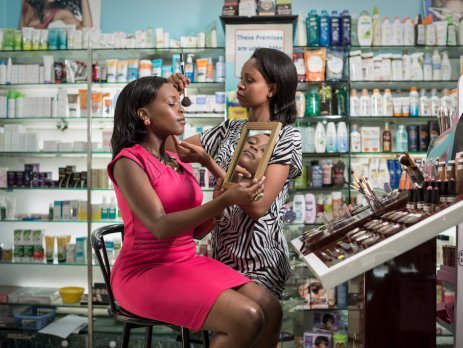
The cosmetics market and beauty products market in African is poised for unprecedented growth. African consumers have long been asking for products adapted to their hair, skin and body specificities. Africa remains a largely untapped market where consumers are screaming out for quality products adapted to their specific needs. For example, African skin requires darker shades than make-up lines traditionally offer. Make-up also needs to be more resistant to heat. Different needs also exist in terms of skin care, as anti-ageing products for African consumers primarily aims at tackling dark spots and uneven complexion, whereas anti-ageing products for Western women aims at tackling wrinkles first. And in terms of hair care, matters become more complicated since African hair strongly differ from Caucasian or Asian hair but also varies from one country to another. It is a well known fact that the biggest challenge for many African women is combing their hair – which itself can be painful at times. Knowing such differences, it is easily understandable that African consumers, and especially women, pay strong attention to Africa-specific products. Product tailoring is the key to winning the African battle…provided the products remain affordable. Therefore, Cost and R&D competitiveness are critical in the beauty sector in East Africa. The African Market Africa has 54 countries; including the addition of the South Sudan in 2011. In 2015, the urban population was estimated at 450 million inhabitants, or 40% of the total African population; making Africa more urbanised than India. It is estimated that by 2030, more Africans will be residing in urban areas for the first time in the continent’s history and this number is projected to grow to 1.2 billion; that amount to almost 60 per cent of the total population of Africa. Africa has 52 cities with more than one million inhabitants and is expected to grow to 75 cities in the near future. Experts believe that if the infrastructure expenditure grows in the coming years, the cosmetic market growth rate will also be improved due to the benefits that an improved infrastructure provides. The increase in growth rate can lead to further improvements in the infrastructure due to the immense amount of money generated from this sector of the economy. The African market is expected to be in virtual circle where an increase in infrastructure spending will lead to an increase in the market growth rate, which in turn, will benefit the cosmetic industry. However, customs procedures are still a lengthy process. A trade-facilitation programme that would cut the time needed to comply with customs procedures at port by 50 per cent would generate an extra $15 billion annually in GDP for sub-Saharan Africa alone. Market Segmentation & Brand Awareness While the growth of the cosmetics goods market is highly correlated with macroeconomic indicators such as real GDP growth and disposable income, a key impediment to cosmetics brands’ successful expansion into Africa is a failure to recognise the vast differences in consumer preferences between these high-growth countries. Africa does not constitute a single economy, and vast cultural and religious differentiation does not allow cosmetic firms to blindly use one African country’s product penetration strategy as a blueprint for expansion into the entire region. Correctly estimating the maturity phase of the target country is pivotal to commercial success, as different product categories see peak demand at different moments of the maturity cycle, ranging typically from the lowest to highest price points. For example, while the Kenyan cosmetics goods market is estimated to have expanded by 60 per cent during the period 2007-17, higher-end cosmetic brands such as Revlon met with weak appetite as the Kenyan consumer favoured cheaper brands. Gender differentiation is also a key factor to consider: male income continues to outpace their female counterparts’ earnings trajectory, which presents opportunities in the sector of men’s grooming products. Not surprisingly then, men’s grooming is fast emerging as one of the fastest growing sectors in East Africa’s beauty and personal care industry.
Preliminary request for participation in the trade show
place
calendar_today
Preliminary request for visitor registration
Visitor Registration
place
calendar_today