

Emirates teams up with Zemen Bank in Ethiopia
folder_open Tourism
Zemen Bank and Emirates have partnered to offer alternative payment options for buying air tickets and pay for other services of the airline. The new service will allow customers in Ethiopia to buy air tickets through Zemen Bank instead of physically going to the Emirates office in Bole. Customers in Ethiopia can now pay for their Emirates air tickets at branches of Zemen Bank located throughout the country. “We are teaming up with Zemen, as it is a corporate bank and offer our increasing customers the chance to pay for their tickets at its various locations across the many branches,” said Manoj Nair, the Country Manager of Emirates in Ethiopia. “This way, we will make it easier for our ever-growing clientele to pay and enjoy our services. “We consider Ethiopia as an important market for us and we continue to find new ways and partnerships to make our services available across the entire nation”, Manoj added. Dubai-based Emirates airline, now the fourth largest aviation company in the world, has been operational in Ethiopia since 2006. It operates a daily flight to Dubai using a Boeing 777 plane and uses Addis Ababa as its connecting hub for the region. Zemen Bank, one of the growing private banks in the nation is known to have a working relationship with some of the leading brand institutions operating in the nation, including Heineken, the Ethiopian arm of the United Kingdom Department of International Agency and Africa Oil.

21 September 2019, Dubai: The Dubai Chamber of Commerce and Industry (DCCI) led a business and government delegation to Ethiopia in order to explore new business opportunities to further expand bi-lateral trade and tourism ties between Ethiopia and Dubai. With a primary focus of exploring investment opportunities in Ethiopia's booming tourism and real estate sectors, the DCCI-led delegation met with their business counterparts in Ethiopia at a special B2B session organised at the Hyatt Regency Hotel in Addis Ababa. Organized jointly by the UAE Embassy in Addis Ababa and the Addis Ababa Chamber of Commerce, the two-day business forum brought together businesses from Dubai and Ethiopia for one-on-one discussions to further cement cooperation and networking among major stakeholders in the tourism, real estate and trading sectors. Dubai Chamber of Commerce & Industry (DCCI) has opened its office in Addis Ababa in 2014, making it the first office in the African continent. “We are seeking ways to further expand our bi-lateral trade ties with Ethiopia eversince we opened our office in 2014,” said Omar Abdulaziz Khan, Director of International Office under the International Relations of Dubai Chamber of Commerce “Now, there are lots of opportunities,” he said. “Tourism business business is booming in Ethiopia. The connectivity is already there, as we already have Ethiopian Airlines, Fly Dubai and Emirates. This is a beautiful place to visit, with diverse culture, people and food,” said Omar Abdulaziz Khan. “We represent around 90 million passengers annually and 75 million of these passengers go to destinations all across the world. So, we are looking at how we can bring some of those passengers to Ethiopia,” he said. During the opening session of the business forum, Ethiopia's State Minister of Trade and Industry, Misganu Arega said that Ethiopia has been working to use UAE’s enormous trade and investment potential, capitalizing on its wider business opportunities and geographic proximity. Misganu said that the government has formulated favourable investment policies and has allocated the bulk of its budget to infrastructural development, to facilitate conditions for investors who want to do business in the country. Representatives from the Ethiopian Investment Commission as well as the Ethiopian Industrial Parks Development Corporation presented the necessary business information, facts and data currently available in the Ethiopian investment and business environment. The two-day business forum is sure to play an important role in attracting investments from Dubai into Ethiopia's booming tourism and real estate sectors. On the other hand, it will pave the way in expanding Ethiopia's exports to Dubai in the coming years.

Ethiopian Airline wins 'Best Airline Stand' Award at Sanganai/Hlanganani World Tourism Expo
folder_open Exhibitions , Tourism
Ethiopian Airlines scooped the top prize at the Sanganai/Hlanganani World Tourism Expo being held at in Bulawayo after being named Best Airline Stand ahead of Air Tanzania, second runner up and Air Zimbabwe, first runner up. Bulawayo, the host city for Sanganai/Hlanganani World Tourism Expo also scored a double including overall award at a glittering awards ceremony. Earlier in the year, Ethiopian Airlines had also won the ‘African Champion of the Year’ Award at the Africa CEO Forum in Kigali which was being attended by more than 1,800 delegates. Ethiopian Airlines, the largest Aviation Group in Africa and SKYTRAX certified Four Star Global Airline has emerged as one of the leading airlines connecting Africa to the world. In recent years, Ethiopian Airlines has emerged as the fastest growing airline in Africa. In its 70+ years of operations, Ethiopian has become one of Africa’s leading carriers, unrivalled in efficiency and operational success. Ethiopian commands the lion’s share of the Pan-African passenger and cargo network operating the youngest and most modern fleet to more than 119 international passenger and cargo destinations across five continents. "We are proud to receive this award and consider this accolade as a reward for our services in promoting Zimbabwe's booming tourism industry," said Wogayehu Terefe, country manager of Ethiopian Airlines in Zimbabwe after receiving the award at a glittering ceremony held on the sidelines of the Sanganai/ Hlanganani World Tourism Expo held in Bulawayo that was organised by Zimbabwe Tourism Authority.

Sanganai Hlanganani World Tourism Expo Showcases Zimbabwe's Tourism Industry
folder_open Exhibitions , Tourism
Sanganai/Hlanganani World Tourism Expo is an annual tourism trade fair organized by the Zimbabwe Tourism Authority. It showcases the widest variety of Africa’s best tourism products and attracts international visitors and media from across the world. The expo, held at the Zimbabwe International Exhibition Centre in Bulawayo between 12 - 14 September 2019, has become a permanent feature on Zimbabwe’s tourism calendar. In its 13th year, the Sanganai/Hlanganani World Tourism Expo 2019 drew exhibitors from all across the tourism and hospitality industry. The expo also registered an increase in the number of hosted buyers and international media persons that flew in specially for the expo from different parts of the world. Over the years, Sanganai/Hlanganani World Tourism Expo has become a premier tourism expo held in Zimbabwe each year and has attracted exhibitors, buyers, investors and media persons from the local, regional and international markets. It has also played an important role in promoting Zimbabwe's tourism industry by showcasing the various tourist attractions and the world-class tourism infrastructure that the country has painstakingly built over the years. Talking to Holiday Guide magazine, Kirsty Coventry, the acting minister of tourism said: "“Sanganai/Hlanganani World Tourism Expo has been a good platform for us to showcase our country's tourism industry and attract more tourists to Zimbabwe and we hope that this year too, the event is going to make a positive impact on our tourism industry like it always has.” Growth in Arrivals During a press conference held on the sidelines of the Sanganai/Hlanganani World Tourism Expo, Givemore Chidzidzi, acting CEO for Zimbabwe Tourism Authority, confirmed the growth in the number of international tourist arrivals to Zimbabwe – recording a total of 2.6 million international tourist arrivals in 2018, up six per cent from the 2.4 million arrivals in 2017. Business and leisure travellers across the world are searching for new meetings and conference options as traditional venues in Europe become more expensive and hard to reach. Against this backdrop, exotic new destinations such as Zimbabwe are gaining increasing popularity due to its modern tourism infrastructure, relatively low costs and ease of travel. As a result, Zimbabwe is becoming a popular destination for the leisure and conference markets in the Southern Africa region and has been able to earn a substantial amount of much needed tourism dollars for its ailing economy. Improved air connectivity as well as targeted marketing campaigns aimed at new and emerging tourist markets like the Middle East and Asia have yielded good results for Zimbabwe's tourism industry. Airport Upgrade The newly refurbished Victoria Falls Airport has also undergone a total revamp and has emerged as Zimbabwe’s second international airport after Harare. The Victoria Falls Airport was upgraded by China Jiangsu International and has seen a significant increase in its passenger handling capacity which has grown from 500,000 per year to 2 million per year. Regional Market Tourists from the regional Southern Africa region form a major portion of tourist arrivals in to Zimbabwe – with South African visitors leading the brigade. But it’s not only South Africans who are realising the value of Zimbabwe as an attractive tourist destination in the Southerrn Africa region. Arrivals from Angola and Zambia account for significant portion of incoming tourists into Zimbabwe, whilst visitor figures from Germany, France, Italy and the United Kingdom have also seen a gradual increase in the last two years. Corporate Travel Recent reports confirm that the incoming flights of RwandAir, Emirates and Ethiopia Airlines have been ferrying visitors to the Zimbabwe from different parts of the world. Givemore Chidzidzi pointed to an upsurge in corporate travel from SADC, but agreed that there is still room for improvement and further growth. “It is important to inform the regional and international consumers of what Zimbabwe has to offer through tourism campaigns and incentives. We have been using various communication tools and media campaigns to highlight Zimbabwe's tourist attractions and the results are now beginning to show – which are positive signs for Zimbabwe's growing tourism sector.” Zimbabwe aims to increase its incoming tourist arrivals to 5 million by 2020. However, the economic hardships faced by the country has crippled the Tourism ministry to undertake marketing initiatives due to lack of funds. "At Sanganai/Hlanganani World Tourism Expo we hosted a team of media persons from all across the world in order to spread the word about our country's excellent tourism attractions and world-class tourism infrastructure in a bid to tap into new and emerging markets like the Middle East and Asia," said Godfrey Koti, head of Corporate Affairs at Zimbabwe Tourism Authority. "With air improved connectivity, we are hoping to see a a substantial increase in tourist arrivals from various parts of the world," he said. B2B Networking Special sessions of Speed Networking were conducted during the two-day Sanganai/Hlanganani World Tourism Expo where buyers and sellers were able to negotiate business face-to-face and form longterm business alliances. "The B2B Speed Networking was specially helpful in establishing direct B2B contacts with industry professionals from the local, regional and international markets," said Mevis Guedes, brand manager for Zimbabwe-based Rainbow Tourism Group. "It helped us reach industry leaders from various parts of the world and form new business alliances," added Mevis. Exhibitors, buyers and media delegates were also treated to a glittering Awards Ceremony held at the Zimbabwe Exhibition Centre. Among those who participated at the Sanganai/Hlanganani World Tourism Expo were prominent National Tourism Boards, Embassies, Airlines, Tourism Destinations, Tour Operators, Travel Agents, Hotels, Car Hire companies, Transport Providers, suppliers of goods and services to the tourism industry, Investors, Government Ministries, Parastatals as well as local and international media persons. Holiday Guide magazine, an affiliate publication of the Africa Business Pages, was part of the international media delegation that attended the Sanganai/Hlanganani World Tourism Expo

A Single West African Currency in 2020
folder_open West Africa
Come January 2020, countries in West Africa will be using a single currency called the ECO. The new single currency will be introduced after decades of discussion towards achieving regional economic integration. The new single currency would be based on a flexible exchange rate regime, coupled with a monetary policy framework focused on inflation targeting. Eight ECOWAS countries –– Benin, Burkina Faso, Guinea-Bissau, Ivory Coast, Mali, Niger, Senegal, and Togo –– currently use the CFA franc. The aim is to merge ECO with West African CFA Franc and then ultimately create the common currency. West Africa is divided by French and English-speaking countries with individual currencies that have varying degrees of value. The Francophone countries have shared the CFA franc since the colonial times which ties them to France. As the African Union is preparing to kick start the African Continental Free Trade Area (AfCFTA) Agreement, West African states would be major beneficiaries with their single currency in the single largest market in the world. The AfCFTA is expected to bring together the 1.2 billion African population with a combined gross domestic product (GDP) of more than $2.5 trillion to remove tariffs on 90 per cent of goods, with 10 percent of “sensitive items” to be phased in later. The West African leaders endorsed the currency at their 55th Ordinary Session, which will allow citizens across the region to use the single currency from 1st of January 2020. Established in 1975, ECOWAS has a combined population of 385 million across the following countries: Benin, Burkina Faso, Cape Verde, Gambia, Ghana, Guinea, Guinea-Bissau, Ivory Coast, Liberia, Mali, Niger, Nigeria, Senegal, Sierra Leone and Togo. The idea of the single currency for the West African region was first mooted almost 30 years ago in the hope of boosting cross border trade and economic development. There have been many protests in Senegal and Benin against the CFA franc, which is pegged to the euro. CFA critics, especially in Togo, see the new West African currency as a way to break free of financial dependence on former colonial power France.

A large number of African businesses use Dubai as their supply source. As a result, traders, merchants, manufacturers is Dubai have been eager to attract African buyers and have been doing roaring business in the African markets. The reasons why African buyers throng to Dubai are many. To start with, the lack of a reliable and well established manufacturing base in many African regions has forced both, African businesses as well as consumers, to look for overseas suppliers to meet the rising demand for capital and consumer goods. Against this backdrop, Dubai presents itself as a convenient and affordable market to source all kinds of goods at affordable prices. Comprehensive Range of Products Dubai offers a comprehensive range of products and services from all across the world – this helps African buyers compare prices and quality of goods from all across the world while buying from Dubai and choose the best products to suit their needs. A well established chain of retailers in Dubai offer a wide selection of goods at affordable prices to African buyers. As African buyers are mostly "cash customers", merchants in Dubai are able to offer them attractive prices too and welcome business from buyers from Africa. As a result, the wholesale market in Dubai is very active in promoting re-exports to Africa and African buyers generally buy in bulk from suppliers in Dubai and then undertake retail selling in their own countries as well as neighbouring countries, at a very healthy profit. Traders from Kenya, for instance, have been buying from Dubai bulk quantities of low-priced tyres, batteries and spare parts and distributing the same to nearby countries of Rwanda, Burundi and the Democratic Republic of Congo. Bargain Deals This adds to the attraction for African buyers to Dubai who are looking for low-priced products that are in big demand in the price sensitive markets of Africa. Low import duties and direct supplies from manufacturers in the Far East and China have been responsible for keeping prices in Dubai lower than other markets in the region. Easy Availability of Goods Easy availability of goods in Dubai also attracts business people as well as consumers from Africa to Dubai's thriving markets and souqs. Dubai's geographical proximity to the African continent further adds to the lure. Shorter travel time, cheaper freight costs and easy availability of visa has helped Dubai attract a large number of African buyers to its shores. For instance, the cost of shipping a 40-foot container from China to Africa is approximately $ 2450 compared to just $920 from Dubai. Consolidation The biggest advantage in making their bulk purchases from the UAE, for African buyers, is that they can purchase just the quantities they require. While theoretically, it is possible for African buyers to source their supplies directly from manufacturers in the Far East, but, such orders would normally be for at least one container load, if not more. Most African buyers, on the other hand, do not require the merchandise in such large quantities and are more comfortable with sourcing smaller quantities of different commodities from Dubai, stuffing them into one or two containers and then shipping the goods to their African destinations. The fact that Dubai has excellent shipping connections means that African buyers can ship their purchases to literally any destination on the continent. Thus, not only do African businessmen have in Dubai the ideal location where they can find all their requirements in one city, but also have the means of transporting it back home very conveniently and cheaply. Price Sensitive Markets in Africa African markets are extremely price sensitive and most of the requirements originating from Africa are for low-priced goods. As a result, goods from China, Korea, Hong Kong and other Far Eastern countries have been more successful in African markets as compared to those from Europe and North Africa as they relatively lower priced. The decisive factor is that over the decades, Dubai has developed a substantial community of retailers, a sophisticated import system and substantial warehousing for stock. This has lead to the emergence of a keenly competitive market that ensures that prices in Dubai are as much as 10 to 15 per cent lower than in neighbouring markets. Dubai continues to be number one for buying anything from cosmetics to automobile spare parts and machinery. Africa Business Pages: Connecting Exporters in Dubai to Buyers in Africa With the emergence of Africa as one of the major re-export markets for the UAE, many Dubai-based exporters have begun concentrating their marketing efforts towards the ‘dark continent’. The AFRICA BUSINESS PAGES is one of the tools that is proof of how seriously Dubai businesses take the African market – most of the advertisers on this B2B portal are from Dubai – a testimonial to the importance attached to the African market by Dubai-based businesses. Africa Business Pages has also compiled a database of importers in Africa that has helped many international suppliers find buyers in the African markets. The Africa Importers Directories compiled by Africa Business Pages lists major importers, retailers, buyers and wholesalers in over 35 countries in Africa and is now available for direct download in Excel format at a nominal cost. This unique database of importers in Africa has helped international suppliers to establish direct B2B contacts with the business counterparts in Africa. Most suppliers use the database to conduct email marketing campaigns across several African markets while others use the list to send our their product brochures to their potential customers in Africa.
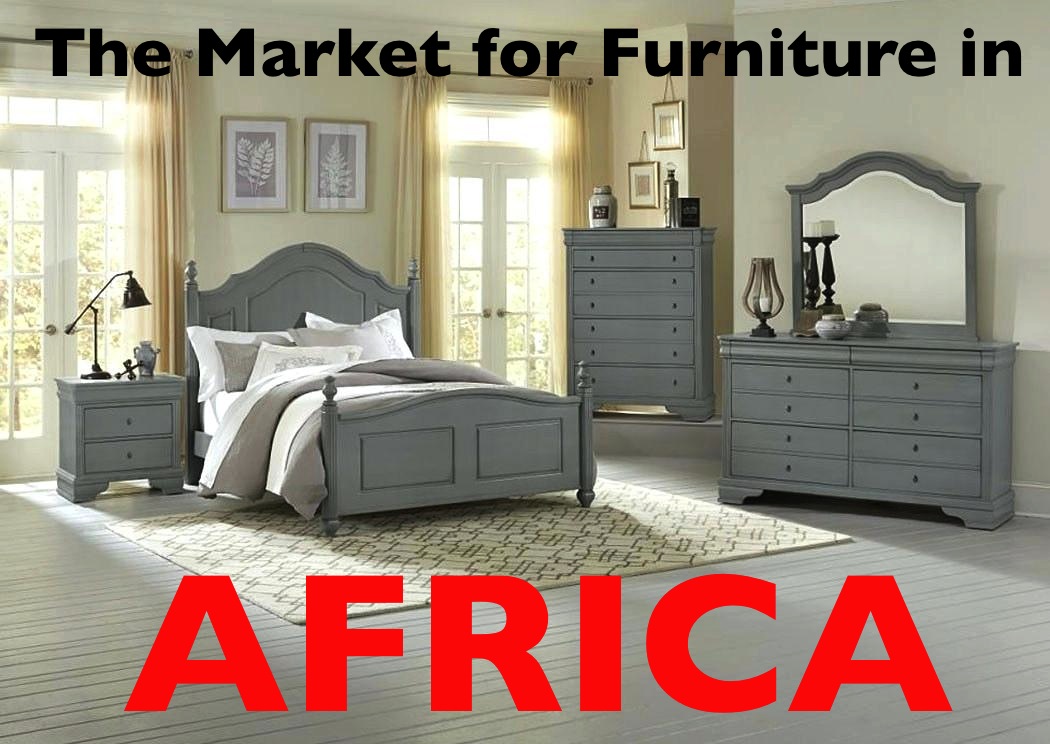
The Market for Furniture in Africa
folder_open Business Outlook
With the growing population in Africa demand for home and office furniture is simultaneously increasing. When people move into a new home, they need a bed to sleep on, wardrobes for their clothes, chairs, a dining table, sofas, kitchen cabinets and all kinds of furniture. Like households, offices also buy a lot of furniture too. African is fast emerging as an important market for furniture on a global scale. Total furniture imports into Africa amounted to more than US$ 5 billion in 2018. Ten main furniture importing African countries (each of them importing over US$ 100 million of furniture) are Angola, Morocco, Libya, Nigeria, Algeria, Kenya, Egypt, Ghana and Sudan. Furniture Market in Africa Africa is a huge pool of population, which is projected to expand and grow rapidly. By 2050, 2.4 billion more people are expected on the planet out of which 1.3 billion are expected to be born in Africa. The majority of the world’s population growth is expected to take place in Africa – making the continent one of the most attractive markets in the world. Africa’s rapidly growing urban population and their spending capacity, along with the growing economy are the primary reasons why furniture business is enjoying the best time of its life. Rapid Urbanisation in Africa Urbanisation process is expected to be very rapid, particularly in Sub Saharan Africa and large urban areas will be the frontiers of economic growth with important implications for the increase of furniture consumption. Despite political instability and relative poor infrastructure level in some areas, there is evidence of numerous urban centres, which offer potential for growth for the furniture market. These cities are increasingly diversifying their economy. In recent years, huge investments have been made in real estate, tourism and hospitality industry, culture and entertainment, which have boosted demand for the furniture sector. More and more number of people are moving to cities from villages, in order to seek better medical facilities, education, sanitation and employment opportunities.At the current rate of growth, more than 500 million Africans will move to cities by 2030. As the population in African cities and towns increases, this will naturally create a profound and genuine need for real estate; residential accommodation, office space, hotels and schools everywhere in Africa. Office buildings, hospitals, schools, luxury hotels, premium guest houses, residential apartments and societies, shopping malls and theatres are being constructed everywhere in African cities. As this trend of more people moving into new homes and establishing new business offices continues, furniture will be required. When new schools are built, desks and chairs will be needed. New hotels often require skillfully designed beds, stylish wardrobes and various other fixtures and fittings. Furniture Importers in Africa This is just a short glimpse of a rewarding business stream which is waiting to be explored. Several African countries have good potential for developing their furniture industry, both for internal consumption and for exports. The more promising prospects are in South Africa, Egypt, Morocco and Nigeria, but also Namibia, Tunisia, Kenya, Zimbabwe are possible candidates for a relevant expansion of their furniture production.The global economy is prophesized to grow by 2 to 3 percent between the years 2011- 2020. Africa is projected to grow approximately by 6%. The reason behind these projections is the rising middle class in the African cities. These people are the dwellers, who migrates from the rural areas and villages to the cities for employment prospects. This class includes salaried job holders, small and medium scale business owners. The sales for the imported custom made furniture has been increasing since the last 3 years. In order to start up furniture business in Africa, one should know the needs and demands of the customers being targeted. Some buyers are more concerned about beauty, quality and durability of the furniture, and will pay high prices to get furniture that meets these requirements. Some other buyers are highly influenced by cost and their choices are restricted to the price of the furniture. They will love to have beautiful and high quality furniture only if it can fit into their budget. Some customers prefer imported furniture and some prefer the local one. The key to succeed and make money is the ability to fulfill the needs and taste of buyers. Some of the countries like Nigeria, in order to develop the local furniture industry and to create the employment opportunities introduced a ban on the imported furniture. In countries like these, it is advisable to form joint- ventures with the local manufacturers. There are certain advantages which one could get in forming a collaboration with local manufacturers. It will provide you a platter of the information about the latest market trends, taste, opportunities and much more. Not much research and development would be required. Furthermore, setting up a business in a joint venture with local manufacturer would prove to be cost effective as compared to establishing one’s own enterprise. Export Furniture to Africa East Africa furniture market alone is estimated to be worth $1.2 billion. Kenya is rated as the dominant market in the East African region with furniture imports worth $89 million in 2018. South African Furniture Market South African manufacturing sales of furniture at current prices amounted to R16 billion in 2018. South Africa has a total of 2,200 registered companies in the furniture manufacturing sector, employing 26,400 people. During 2018, South Africa was Africa's second-largest furniture exporter, with exports reaching R4.2 billion. North Africa: Increasing Demand for Furniture Algeria is the largest consumer of furniture in North Africa, followed by Egypt and Morocco, with local manufacturers accounting for more than 68% of the furniture market. Egypt, Algeria, and Mauritania have very low market exposure. West Africa Nigeria is the largest consumer of furniture (a fast-growing market), followed by Ghana and Ivory Coast. In West Africa, local manufacturers account for more than 70% of the furniture market. Central Africa Consumption level for both home and office furniture is the lowest in Central Africa, with local manufacturers accounting for 64% of the furniture market. The largest consumer is the Democratic Republic of the Congo, followed by Cameroon and Gabon. East Africa Ethiopia is the largest consumer in the East Africa region, followed by Kenya, Tanzania, and Uganda. The fastest growing markets in the region are Ethiopia and Uganda. Southern Africa Africa’s second largest furniture market is the Southern Africa region. Local manufacturers account for 50% of the furniture market while the other 50% is mostly imported from various parts of the world. South Africa is the largest furniture import market, followed by Angola with broad growth prospects. North and Southern Africa import the most in Africa. Southern Africa accounted for the highest share of imported furniture consumption, accounting for 37%, while North Africa accounted for 30%. Nigeria: An Important Market for Furniture The Nigeria furniture market is a thriving one thanks to the government’s decision to place an embargo on the importation of furniture into the country. The goal of the decision to ban the importation was to protect the local industries involved in the manufacture of these furniture items and this has been of huge benefit. Although the finished products in Nigeria are yet to be at par with those from countries like Italy and Spain however it is clear that progress is being made in the industry. One of the advantages of local manufacturing of furniture is the low labour costs which enables these items compete on price with their foreign counterparts as the cost of labour, freight charges and the import duties often make them expensive. However, there is still more to be done in terms of empowering local manufacturers in the Nigerian furniture market as there are some foreign competitors with factories in the country. If this can be done, the quality of local furniture can be as good as that of their foreign counterparts. The bottom line is that the projected increase in the demand for home and office furniture in Africa is driving the growth of furniture industry in Africa. It’s the perfect time to invest in this booming sector! Africa Furniture Importers Directory Furniture importers in Africa have been buying ever increasing quantities of furniture from all across the world in order to meet the rising demand for both home and office furniture amongst African buyers. As local furniture manufacturers in Africa are not able to meet the rising demand for furniture, importers of furniture in Africa have been buying from overseas suppliers to meet the rising demand for furniture amongst African consumers. The Africa Furniture Importers Directory has been compiled with the sole purpose of promoting direct B2B contacts between African importers of furniture and global suppliers. The Africa Furniture Importers Directory provides exporters of furniture a comprehensive database of importers of furniture in Africa and helps them contact them directly. Online sales as well as email marketing has been playing an ever important role in promoting B2B contacts and generating sales leads – specially so in Africa where other forms of media and promotional tools are not as effective. The Africa Furniture Importers Directory can be downloaded now in Excel format for a nominal cost. Many furniture exporters and manufacturers have used the directory to contact their potential buyers in Africa, send them product catalogs via email, conduct email marketing campaigns to their target audience in Africa and develop direct contact with importers of furniture in over 35 African countries. By compiling a well researched list of furniture importers in Africa, the Africa Business Pages has proved once again that it has been leading the pack when it comes to direct B2B promotions in the African markets.
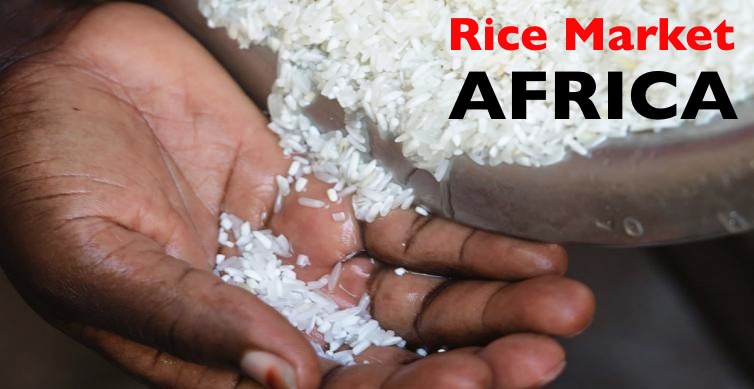
India's rice exports to Africa have been severely hampered as cheaper rice from China and Thailand begins to eat into India’s traditional markets in Africa. Indian exporters of rice are now seeking government intervention to salvage the situation in the form of incentives. Exports of non-basmati rice shipments fell to $294 million during April-May this year from $652 million in the corresponding period last year. India has around 50 per cent share in African rice market, estimated at around 15 million tonnes annually. The strengthening rupee against the dollar has made the Indian rice expensive in the world market, specially for importers of rice in Africa. An increase in minimum support price (MSP) for paddy has further added to the woes of Indian rice exporters. According to provisional data available, non-basmati rice exports from India to Africa have more than halved in the last year. The Rice Exporters Association of India has written to the Commerce Industry to "consider extending the 5 per cent incentive under the MEIS scheme and also extend the 5 per cent interest subvention scheme to non-basmati rice exporters". Chinese Rice Exports to Africa For rice importers in Africa, Indian non-basmati rice is expensive by 5-10 per cent compared with rice importers from Thailand, Vietnam, Pakistan and Myanmar. The situation of Indian rice exports to Africa has been further offset as the Chinese State agency COFCO is aggressively targeting new markets in Africa to liquidate old stocks of 3-4 million tonnes. COFCO is targeting markets in Africa, like Egypt, Benin, Senegal, Cote d'Ivoire, Somalia and Liberia. The entry of cheaper Chinese rice into the African markets has further compounded the problem for Indian exporters. India: Rice Exports to Africa India is the largest exporter of rice and accounts for a fourth of the global shipments. In 2018-19, non-basmati rice exports fell to 7.5 million tonnes from 8.8 million tonnes in the previous year. In value terms, the shipments fell to $3 billion during 2018-19 from $3.63 billion in the previous year. Top rice importers of non basmati rice from India in 2018-19 were: Nepal Benin Senegal Bangladesh Guinea Cote D Ivoire United Arab Emirates Somalia Indonesia Liberia Rice Exports to Africa Africa has become a major player in the international rice market, accounting for 20-30% of the total global imports. The rapid growth of Africa in the international rice trade business is due to its high consumption of rice as a food source in Sub-Saharan Africa. Africa produces 14.6 million tons of rice per year on an average on 7.3 million hectares, equivalent to 2.6 and 4.6 % of the world’s total production and area under rice, respectively. The rain-fed systems of West and Central Africa account for 78% of the regional rice land. West Africa accounts for 57% of the rice planted area in the region, amounting to 3.7 million ha. The West Africa region accounts for 42% of the total production, followed by North Africa (32%), East Africa (23.8%), Central Africa (1.2%), and Southern Africa (1%). Rice Importers in Africa The relative growth in the demand for rice in Africa is faster than anywhere in the world. The growing rice production in the region is attributed to land expansion by 70% and increase in productivity by 30%. By consumption, the region consumes 11.5 million tons of rice yearly. Due to the higher demand compared to production, the region is highly import-dependent for rice. The Middle East and Africa together account for nearly half of the total rice trade. While rice is a cash crop for small-to-medium-scale farmers in the Eastern and Southern Africa (ESA) region, it is more of a subsistence crop in West Africa, where most of the continent’s rice is produced. In comparison to the growing demand, rice production in the region is continuously growing at 5-6% every year. Export Rice to Africa Rice importers in Africa have been buying ever increasing quantities of rice from all across the world in order to meet the rising demand for rice amongst African buyers. According to industry reports, A frica imported 17 million tonnes in the last five years. Around half of the current global population – or about 3.5 billion people – relies on rice as a source of sustenance and livelihood. As local rice producers in Africa are not able to meet the rising demand for rice, importers of rice have been buying from overseas suppliers to meet the rising demand for rice amongst African consumers. List of Rice Importers in Africa The Africa Rice Importers Directory has been compiled with the sole purpose of promoting direct B2B contacts between African importers of rice and global suppliers. The Africa Rice Importers Directory provides exporters of rice a comprehensive database of importers of rice in Africa and helps them contact them directly. Online sales as well as email marketing has been playing an ever important role in promoting B2B contacts and generating sales leads – specially so in Africa where other forms of media and promotional tools are not as effective. By compiling a well researched list of rice importers in Africa, the Africa Business Pages has proved once again that it has been leading the pack when it comes to direct B2B promotions in the African markets.
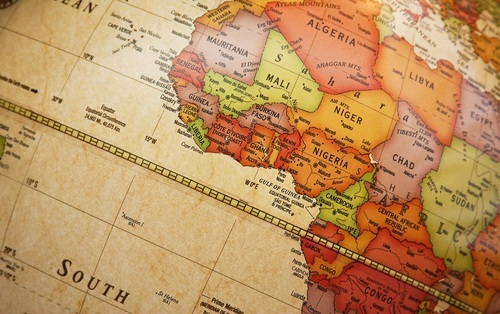
Export to Africa: How and What
folder_open Articles
Africa is the second largest continent and demand for consumer and capital goods is always high in the local markets. Most African economies rely on imports to satisfy the needs and requirements of their large population. If you want to export goods and products to Africa, good research and knowledge of the legal regulations are a must for your success. Africa hosts the majority of the top ten fastest growing countries in the world. The IMF estimates that economic growth in sub-Saharan Africa will cross 6.5% in 2025. The World Bank believes that most African countries will reach “middle income” (at least US$1,000 per person a year) by 2025 if current growth rates continue. Nearly 65% of the labour force in Africa is expected to have some secondary-level education by 2025. Africa has around 125 million people with household incomes exceeding $5,000 – meaning they can direct more than half of their income towards discretionary spending. It’s expected that this figure will cross 150 million by 2025. Exporting to Africa looks a much rosier prospect than in the past and already countries such as the US, Brazil, China and India have increased their business dealings with the African continent. Main Products Exported To Africa If you are looking to break into the African market, there are many norms that you should consider as an exporter. Here, we will discuss the top products to export to Africa: Pharmaceutical Products Pharmaceutical products such as different medical drugs and vitamins as well as health supplements are in big demand in Africa. Since the industry of health and pharmaceutics is in constant development, investing in such goods is one of the best decisions to make nowadays. Also, African people suffer from a variety of conditions, especially in the rural environments where medical drugs are not so accessible. Iron and Steel When it comes to raw materials, exports of iron and steel which are much needed on the African market is indeed a profitable business. Africa can’t produce such metals due to lack of funds, and the demand is high especially in the urban areas of the continent. Automobile Spare Parts Automobiles and its components such as spare parts, tyres, batteries, lubricants and different mechanical pieces needed for repairs are also very much in demand in Africa. Many countries have been exporting a wide range of automobile spare parts to Africa and making a neat profit. Cars Exporting cars comes with a lot of new regulations and some of them keep changing. You have to consider the value of the car, the demand present on the market as well as the financial capabilities of African people. Used cars are also in big demand in African countries. Textiles Clothing One of the main exports to Africa is textiles and different clothing. Clothes will always be a must and a basic necessity which is why they are a great opportunity for those wanting to export to Africa. However, your best bet as an exporter is to supply clothes and textiles in urban areas of Africa because they will not sell so good in rural villages or undeveloped regions. Rice Rice is being imported into African in increasingly large quantities in recent years. Countries like Nigeria are big consumers of rice, and there is never enough on the market. Imports keep coming to support the demand which is a great opportunity for foreign exporters. Even if Africa started producing their rice, the quality is still not the same as the imported rice. That is why many African people prefer to consume rice from other countries like India, China, Thailand, Pakistan and Malaysia. Local production of rice is also still very low due to lack of financial possibilities and no investments. Some rice producers decided to set up a rice farm in Africa to produce such goods locally. It helps them skip the entire import-export process which can be time-consuming and even unprofitable in some occasions. Plastic Raw Materials Plastic raw materials are also a great category of goods to import in Africa because they are highly functional and tend to come at a fairly low price as well. The demand for plastic increased along with the urbanization process that took place in the past decades in Africa. More people live in cities, and the need for plastic materials and objects became a real struggle. Especially in countries like Nigeria where more than half of the population lives in urban areas. Even if other countries try to stay away from plastic since 2015, Africa still relies on this material mainly because it is affordable for all types of processes. Opportunities for Export to Africa There are enormous opportunities in Africa but you have to thoroughly research the market. If your business produces machinery and equipment, chemicals, petroleum products, scientific instruments or foodstuffs then exporting to Africa is a great idea. It’s important to have an agent who can travel to your target market on a regular basis and has established a network of customers there. This allows you to concentrate on supply and production. At some point though it’s important for you to get on that plane and travel to Africa. It’s important to meet people face-to-face and build proper relationships but make sure that you learn about their culture to avoid any potential embarrassing mistakes. Some countries such a Nigeria offer both complimentary and fee-based market research tools to help possible exporters from other countries to analyze the market and gain insight into specific sectors. Other advantages with Africa are lower salaries and rents, improving infrastructures and growth in those who have broadband. There are risks though as in any emerging markets. These include crime and corruption. Also in a country such as South Africa you have to respect laws that demand a certain percentage of employees, directors and shareholders are black. In Gabon there are strict rules that have to be adhered to. These protect the health, safety and environment of Gabon’s citizens from sub standard imported goods. Exporters need to provide a Certificate of Conformity for Customs clearance. It’s important to break into a growing market as early as possible. Make sure you do your research, employ agents to keep a close eye on your investments and make sure you comply with all the relevant laws in the country you are exporting to and exporting to Africa really can pay dividends. Increased Trade with Africa Exports from Africa totaled US$476.6 billion in 2018. That dollar amount reflects an -11.3% drop since 2014 but a 12.8% year-over-year upturn from 2017 to 2018. In comparison, global exports from all countries worldwide equaled $19.228 trillion in 2018, rising 1.2% in value since 2014 and appreciating by 8.5% from 2017 to 2018. Africa’s exports represent an estimated 2.5% of total world exports in 2018. Based on statistics from the International Monetary Fund’s World Economic Outlook Database, the total Gross Domestic Product for Africa calculated on a Purchase Power Parity (PPP) basis amounted to roughly $6.813 trillion in 2018. Therefore, exports account for about 7% of Africa’s total economic output. Given Africa’s population of about 1.264 billion people, the total $476.6 billion in 2018 exported goods originating from continental Africa translates to roughly $375 per African resident. Africa Import Directories Africa Business Pages has played an instrumental role in promoting direct B2B contacts between African buyers and international suppliers. As one of the leading B2B portals of Africa, the Africa Business Pages has compiled the Africa Importers Directories that help international suppliers identify and contact their business counterparts in key African markets. Available for download in Excel format the Africa Importers Directories list major importers in Africa. The directories are available countrywise as well as sector wise. You can download the Africa Pharmaceutical Directory of you are dealing in pharmaceuticals. Or the Africa Automotive Directory if you are an exporter of automobile spare parts and accessories. The Africa Foodstuff Directory will be specially useful for those exporting foodstuff items. The Africa Importers Directories provide a useful database of companies in Africa and helps international suppliers find buyers in Africa by promoting direct B2B contacts between buyers and sellers.
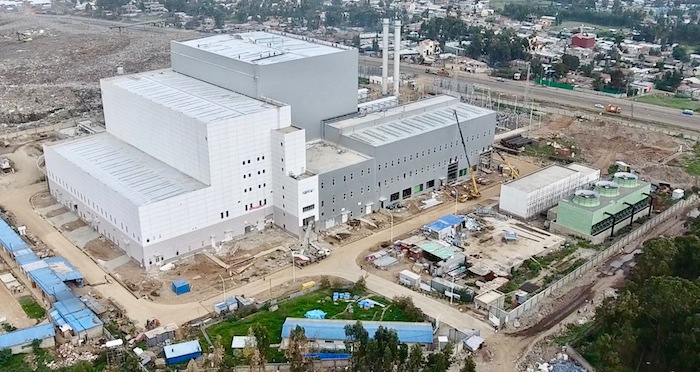
Ethiopia is planning to convert its garbage into energy through use of new technology. Koshe is the biggest garbage dump in Ethiopia and is located on the outskirts of the country's capital city, Addis Ababa. The Koshe garbage dump was in the news last year when 114 people died due to the pollutants emanating from the garbage dump – spread over an area approximately the size of 36 football fields. Ethiopia has since turned the site into a new waste-to-energy plant via the Reppie Waste-to-Energy Project which is the first of its kind in Africa. This forms part of efforts to revolutionise waste management practices in the country. The plant is designed to generate electric power from solid waste collected from the capital. Incinerating 1,400 tonnes of waste every day, the plant is capable of contributing 185GWh of electricity each year to the national grid. However, Reppie Waste-to-Energy Project fell flat due to disputes between Ethiopian Electric Power (EEP) and two contractors – Cambridge Industries and its partner, China National Electric Engineering Company – which finally led to the plant ceasing operations soon after its inauguration. Now, after hectic efforts to resolve the dispute, the Ethiopian Electric Power (EEP) is planning to restart operations of Reppie Waste-to-Energy power plant in three months and once again start generating electric power using the garbage at the Koshe rubbish dump. Waste-to-energy uses trash as a fuel for power generation. Similar to other power plants (just using trash rather than other fuels like coal, oil, or natural gas), the fuel is burned in an environmentally sustainable manner, in a combustion chamber to heat tubes of water in boiler walls. The water is heated until it turns into steam, which is then used to drive a turbine generator that produces electricity. "The hulking waste-to-energy power plant taking shape on the edge of Addis Ababa, Ethiopia’s capital, symbolises ambitions to convert the agrarian Horn of Africa country into an eco-friendly industrial powerhouse." wrote the Guardian newspaper. In about a year, green, cutting-edge Reppie will replace a vast rubbish dump picked over by hundreds of scavengers. Currently, toxic effluent from the landfill seeps into nearby rivers when it rains and methane perpetually drifts into the atmosphere. Constructing Africa's first major waste-to-energy facility fits perfectly with Ethiopia’s Climate Resilient Green Economy. The plant will eliminate over 80% of the Municipal Waste delivered to it, whilst at the same time maximizing energy recovery in order to deliver much-needed renewable power to the surrounding cities and towns.
Preliminary request for participation in the trade show
place
calendar_today
Preliminary request for visitor registration
Visitor Registration
place
calendar_today