
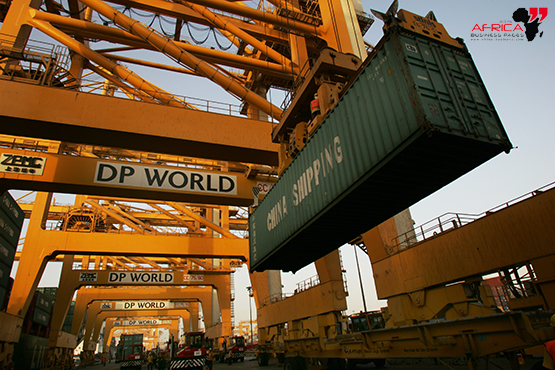
Kigali Sets Up New Logistics Hub
folder_open Articles , East Africa
DP World Kigali is a secure, bonded facility spread over13 hectare that will improve imports and exports... DP World and the government of Rwanda have setup a state-of-the-a logistics hub, located 20 kilometers from the capital city Kigali, close to the international airport. The facility is East Africa’s first ever Inland Dry Port developed by DP World. DP World Kigali is a secure, bonded facility spread over 13 hectares and features an Inland Container Terminal (ICT) with modern warehousing capacity, a container yard, administrative and services buildings, parking areas and other facilities. DP World Kigali accesses two secure trade gateways for eastern Africa, the port of Mombasa in Kenya and Dar es Salaam in Tanzania. Rwanda is working closely with Tanzania on a new standard gauge railway from Dar es Salaam to Kigali that will add a direct rail corridor to the two existing road routes, further improving connectivity for containers and bulk goods. Currently the cost of transport of a 20 foot container from Shanghai China to Mombasa costs anywhere between 500 US$ to US$1,000. The cost of transport of the same container from Mombasa to Kigali varies between US$3,000 to US$4,000. The introduction of DPWK will serve the inland logistics problems, delays and cost by providing a one-stop shop for all logistics requirements and cargo services. The facility offers container handling, stuffing and de-stuffing, warehousing, storage and other cargo handling services. Imports from overseas can be routed through Kigali Logistics Platform for onward distribution to the surrounding countries of Uganda, Tanzania, Burundi and the DRC, a growing region of over 40 million people. Customs officers at the incoming port use highly advanced e-tags, to seal incoming containers. These active RFID tags allow real-time tracking of cargoes on route to Kigali, for complete transparency and added security. A dedicated customs team inside DP World Kigali handles final customs clearances. DP World Kigali is also establishing a road transport solution that will allow clients to fully outsource their end-to-end logistics needs, including international shipments, clearances, repacking and final deliveries. DP World’s single-window cargo management system and other investments in IT and automation will further increase efficiency and reduce costs. These are savings that can be passed down along the supply chain to drive more growth in the region’s economy.
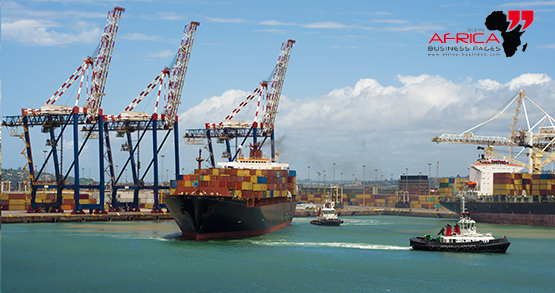
Mombasa Port Has A New Rival
folder_open East Africa
Tanzania is building a new port that might challenge Mombasa Port’s status as the shipping, logistics and distribution hub of East Africa. Located about 75 kilometres from Dar es Salaam and 10 kilometres from Bagamoyo town, the new Bagamoyo Port, which upon completion is expected to be the largest in East Africa, is expected to be fully operational between 2020 and 2021. Construction of the port is being carried out through a collaboration of China and Oman. Also to be constructed around Bagamoyo area are over 190 industries, including the manure processing plant that will be put up by the government of Oman. The new port will handle cargo coming from several landlocked countries in East Africa and beyond (Rwanda, Burundi, Malawi, Zambia, and the Democratic Republic of the Congo (DRC), improving Tanzania’s trade infrastructure is critical for the region’s success. When fully developed, the Bagamoyo Special Economic Zone will attract about 700 industries to become a strategic investment zone in East Africa. The Bagamoyo port and its affiliate industrial zone will ease congestion at the old port and support Tanzania to become East Africa’s leading shipping and logistics centre. The Bagamoyo Special Economic Zone that is expected to attract about 700 industries and become a strategic investment zone in East Africa. About 190 industries, including a fertiliser processing plant, will be put up by the government of Oman around the port. The Bagamoyo port and its affiliate industrial zone are meant to address congestion at the old port and support Tanzania to become East Africa’s leading shipping and logistics centre. Tanzania is the second-largest economy in the EAC and boasts one of Africa’s most stable democracies. Known for its vibrant tourist industry, Tanzania has significant mineral wealth and strategic location.
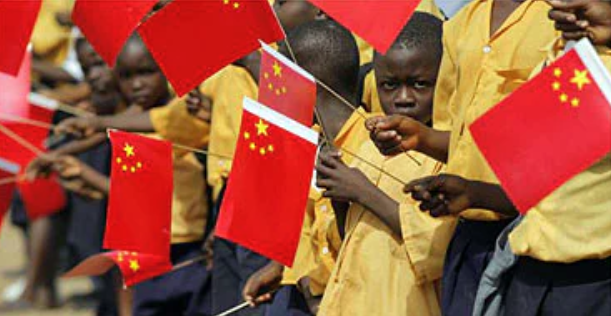
Ethiopian Airlines will start helping Chinese visitors process visas to travel across Africa. Beginning in 2019, Africa’s No.1 airline will set up a hub that will allow travelers from China to apply for visas to 35 African countries, the airline’s chief Tewolde Gebremariam told Chinese news agency Xinhua. The scheme is aimed at reducing the process of application especially for citizens who have to travel to embassies located in the capital, Beijing. Chinese passport holders can get visas on arrival in Ethiopia’s capital Addis Ababa. “The visa scheme will facilitate easier air travel for Chinese experts and business people and reduces their financial cost,” Tewolde said, adding that “we are very excited about it.” As Africa’s dominant carrier, Ethiopian Airlines has in recent years taken up a pan-African strategy, launching more connections, reviving defunct national airlines, and setting up more hubs across Africa. Part of this growth has included servicing both cargo and passenger flights to five destinations within China namely Beijing, Chengdu, Guangzhou, Shanghai, and Hong Kong. To tap into the growing number of Chinese traveling abroad, the airline in September started accepting payments in its mobile app via the Alibaba-owned payment platform Alipay. The establishment of a visa center is likely also a tactical gambit, placing the state carrier at the heart of efforts to ease movement across the continent. In November, Ethiopia started a visa-on-arrival push for all African travelers as more African nations liberalized their visa regimes to attract more trade and tourists. The plan is also beneficial for Ethiopian especially since its hub in Addis Ababa has now overtaken Dubai as the world’s gateway into Africa. The visa hub is also symptomatic of China’s deepening place in Africa. Besides coming to work and trade, Chinese tourists are showing increased interest in the continent’s cultural and historical sites. Cognizant of this, countries including Kenya, Morocco, and Tunisia have eased their visa rules or launched marketing campaigns to incentivize and attract more Chinese travelers. South Africa has even gone as far as issuing business travelers five to ten-year, multiple-entry visas on arrival.

Saudi Arabia plans to build a $500 billion megacity that links to Africa via a bridge over the Red Sea. The development is part of Crown Prince Mohammed bin Salman's Vision 2030 plan to diversify Saudi Arabia's oil-driven economy. At 16,400 square kilometres, the megacity would be 33 times as large as New York City and one of the largest cities in the world to run on 100% renewable energy. Its name, Neom - from the Arabic terms for "new" and "future" - symbolises its utopian vision of robot workers and drone taxis, and it would connect to Africa via a bridge over the Red Sea. The smart and tourist cross-border city planned for construction is located in the far north-west of Saudi Arabia and is planned to be be constructed in Tabuk. It includes marine land located within the Egyptian and Jordanian borders. It aims to embrace digital technologies and services to make the city a major commercial location in the Middle East. The project is estimated to take between 30 to 50 years to complete, however, with the first phase due by 2025. It will be an independent zone, with its own regulations and social norms, created specifically to be in service of economic progress and the well-being of its citizens, in the hopes of attracting the world’s top talent and making Neom a hub of trade, innovation and creativity.
Michelin ties up with CFAO to boost tyre sales in East Africa
folder_open Automobiles Sector , East Africa
Michelin Tyres is targeting Africa to further consolidate its sales and distribution network in East Africa and has partnered with CFAO, a renowned distributor of industrial products with outlets and distribution networks all across Africa. The joint venture between Michelin Tyres and CFAO will oversee the import and distribution of high-quality tyres in Kenya and Uganda. A new company has been formed specially for this joint venture in which Michelin holds a 49 percent share and the remaining 51 percent are with CFAO. Administration of the new entity will be divided equally between Michelin Tyres and CFAO. The new company will supply tyres for both heavy duty as well as smaller vehicles. This will depend largely on the business relationships built by Michelin over the years. “With growth rates of 4.5 per cent for Uganda and 5.5 per cent for Kenya in 2017, these markets are very dynamic,” adds Richard Bielle, chairman and chief executive officer of CFAO. “As a result, they are of interest to the biggest players in the global industry. CFAO’s alliance with Michelin illustrates our know-how on the continent – providing our partners with immediate solutions to develop markets and to offer consumers high quality products and services.” This new development is just another case of Michelin's objective of acquiring a stake in the distribution channels of its closest competitors. One of Michelin's acquisitions Ihle Holding AG has also been used in the acquisitions of German-based whole sellers.They have also entered into a 50-50 partnership with Nex Tyres SL in a wholesale joint venture in Spain. The company announced another identical venture earlier this year in North America with Sumitomo Corporation to tap the markets in the US and Mexico. Tyre sales in East Africa have been rising over the years and have made East Africa an attractive market for tyre dealers, manufacturers and stockists. many tyre dealers in Dubai have been actively supplying all kinds of tyres, tubes and batteries to the East African markets like Kenya, Uganda, Tanzania, Rwanda, Burundi, Ethiopia and Sudan. As demand for tyres increases in East Africa, more and more multi-nationals are expected to enter the fray and expand their sales and distribution networks by appointing agents and distributors for their products.
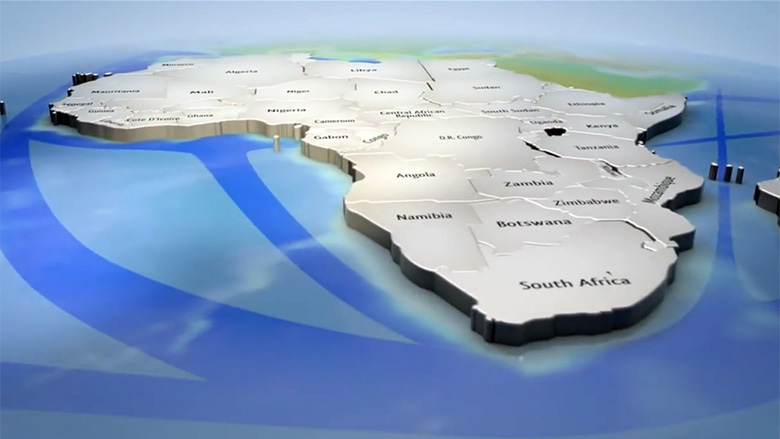
Ethiopia has adopted a new system to tackle trade under-invoicing that costs the country an estimated $2 billion every year. Ethiopia Customs and Revenue Authority has linked its new Customs database to global price makers which updates itself automatically. The new system will help detect cases where importers under-invoice the value of their goods in order to reduce their import duties. “We are also identifying the major importers in the country for close follow-up by our intelligence unit. We also have a plan to pay up to 10 per cent of the recovered tax money to members of the public who inform us of tax fraud,” said Sisay Bikaru, director of Ethiopia Customs and Revenue Authority (ERCA). According to reports, Ethiopia loses $1.97 billion every year through trade under-invoicing, and a further $630 million every year through illicit financial flows. The losses constitute five to 10 per cent of the country’s GDP. Uganda, Tanzania and DR Congo lose about $720 million, $480 million and $225 million annually to illicit flows. In Africa, South Africa is ranked top at $20.9 billion lost through illicit flows annually, followed by Nigeria at $17.8 billion, Morocco at $4.1 billion, Egypt at $3.9 billion, Zambia at $2.8 billion and Cote d’Ivoire at $2.3 billion. Ethiopia’s tax to GDP ratio stands at 13 per cent, compared with 15 per cent for sub-Saharan Africa. According to recent reports developing countries lose $85 billion a year through trade under-invoicing, with China losing the most through illicit financial flows.

Ethiopia's Automotive Industry
folder_open Articles , East Africa
Ethiopia is among Africa’s most impressive growth performers over the past decade averaging 10.9% annual growth between 2010 and 2020. With a GDP of US$91 billion in 2019 it is among the top ten largest economies in Africa and the third largest in Eastern Africa. After Nigeria, the country is also home to the continent’s second largest population of 95 million people. Undoubtedly, Ethiopia is a relatively untapped investment opportunity in Eastern Africa especially in the manufacturing sector. Ethiopia’s automotive market is dominated by second-hand imported vehicles – particularly commercial vehicles. Commercial vehicles were Ethiopia’s second most valuable import overall in 2019, worth US$955 million. On the other hand, commercial vehicles are also Ethiopia’s highest earning automotive export. This can largely be attributed to Bishoftu Automotive Industry (BAI), an automotive manufacturing and assembly company run by the Ethiopian military. BAI specialises in assembling, upgrading, overhauling and localising buses, pick-ups, SUVs, trucks and military equipment such as tanks and armoured personnel carriers (APCs). Military vehicles are largely for the use of the Ethiopian military and African Union peacekeeping missions while civilian vehicles are supplied to local customers such as state-owned transport providers. Small quantities of commercial vehicles have been exported to neighbouring Somaliland. Increasing Numbers Ethiopia has the lowest motorisation rate globally, with only two cars per 1,000 inhabitants. Recent reports estimate that in 2019 there were 175,000 vehicles in use in Ethiopia, of which 100,000 were passenger vehicles and 65,000 were commercial vehicles. Between 2010 and 2020, total vehicles in use grew at a CAGR of almost 2.1%. According to Ethiopia’s Ministry of Transport approximately 84% of the market is passenger vehicles while commercial vehicles make up 16%. Second-hand vehicles in Ethiopia tend to appreciate in value due to high import duties and limited supply of vehicles. As a result, second-hand vehicles dominate the market. Approximately 85% of vehicles are second-hand imports, of which almost 90% are Toyotas.These vehicles are imported primarily from the Gulf States, through the Port of Djibouti. Automotive Sales Although there is almost no publicly available reliable data on vehicle sales in Ethiopia. It is however estimated that 18,000 vehicles are brought into Ethiopia each year. The majority of these are second-hand vehicles. Each year, 2,000 new Toyotas and between 5,000 and 7,000 used Toyotas are imported. Clearly, Toyota controls approximately 65% of the total market (new and second-hand) due to its reputation as being reliable and inexpensive to maintain. The main drivers of new commercial vehicle sales are construction, agri-business and retail while passenger vehicle sales are driven by government (including diplomatic corps) purchases. Vehicle affordability is further locked up by prohibitively high vehicle taxes of sometimes more than 220% depending on engine size. As taxes in Ethiopia are cumulative, excise tax is calculated on the customs duty, surtax is charged on top of the excise tax, and customs duty and final VAT is calculated once the surtax, excise tax and customs duty have been added. Imported vehicles may cost as much as three times the retail price of the vehicle outside of the country. Commercial vehicles, such as pick-ups, vans and trucks, have a lower tax rate than vehicles for personal use. Relative disincentives exist vis-à-vis personal vehicles compared to commercial vehicles. Diplomats and foreign investors are allowed to import vehicles duty-free. The supply-depressing character of foreign exchange shortages contributes to imbalances in the market and drives up the market price of vehicles, thus also having a negative impact on the affordability of vehicles in the Ethiopian market. Production and Assembly The Ethiopian Investment Commission (EIC) reports that 31 foreign vehicle investment projects (largely Chinese projects but also someinvolvement of European companies) and 73 domestic vehicle assembly investment projects have been licensed since 1998. This means that a total of 104 companies have been licensed for vehicle assembly in the country over the past two decades. However, only a few of these are operational, with the vast majority licensed at the pre-implementation stage. During the past decade, a number of leading international automotive companies have carried out market scoping exercises to assess the viability of Ethiopia as an assembly hub. However, due to the limited market size, large-scale investments by these automotive firms have not yet materialised. Although a number of assemblers source some components such as tyres locally, Ethiopia has no defined local content requirement. A number of assemblers indicated that they are instructed that local content should be approximately 30% in order to qualify for the 30% tax incentive associated with all local manufacturing, but that no written agreement exists between assemblers and the state. Due to Ethiopia’s tax system, which subjects vehicles to tax depending on their engine size rather than age or origin, it is often cheaper to import a second-hand vehicle with a smaller engine size than it is to assemble a vehicle locally, despite import taxes on these vehicles. Despite being home to the continent’s second largest population, the overall automotive market size remains small in the short to medium term for current and prospective assemblers and producers. However, Ethiopia’s strong government support for industrialisation and the development of auxiliary industries coupled with a large cost competitive labour pool, and sizeable investments in infrastructure (both physical and economic) could position the country favourably for automotive manufacturing in the long term to service both the regional and domestic market with price competitive vehicles. To achieve this, clear definitions of local content need to be developed. The country’s high tax rates on vehicles reduce the affordability of vehicles, especially given the low income of the population, and restrains the vehicle retail market. To address this, industry stakeholders should support the establishment of vehicle financing solutions, in order to encourage wider vehicle ownership. Taxes should be revised to also take the age of vehicles into account in order to provide incentives for locally produced vehicles.
Acquisitions: The new trend in Kenya's cosmetic industry
folder_open Cosmetics, Perfumes & Toiletries , East Africa
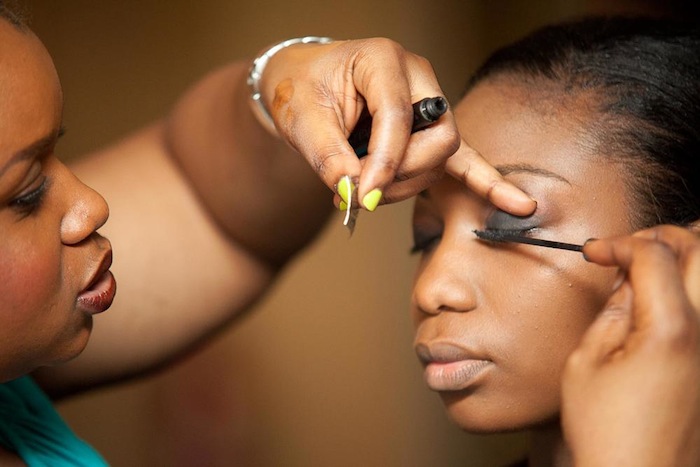
The beauty and cosmetics industry has become Kenya’s new hub of investment that is pulling in big money to establish new lines of business and to snap up successful enterprises through multi-million shilling acquisition deals. That statement was firmly made when Flame Tree Group acquired a local start-up Suzie Beauty in a deal estimated to be worth millions of shillings. The Flame Tree Group said it made the acquisition as part of a larger plan to expand its fast moving consumer goods business, especially in cosmetics where it is already a big player. “Suzie Beauty is a strong brand in Kenya with a niche target. Of the beauty products in our portfolio, all are mass market goods. Suzie Beauty is a niche product that gives us reach to the high-end market,” said Heril Bangera, chief executive officer of Flame Tree Group. Suzie is the fourth acquisition that the Flame Tree Group has made since its 2014 listing on the Nairobi Securities Exchange. The beauty products maker bought Miss Africa, Black Angel and Beauty plus hair brands from Beauty Plus Trading East Africa before taking in Monalisa skincare brand shortly thereafter. Kenya’s colour cosmetics market is estimated to be worth Sh5.4 billion and is expected to grow to Sh6.6 billion by the end of 2018. The Flame Tree Group’s annual report for 2014 says the cosmetics division, under the manufacturing arm, accounted for 74 per cent of the company’s portfolio with the rest going to the trading arm. The Suzie Beauty takeover comes barely two years after French beauty and cosmetics giant L’Oreal acquired Nice & Lovely range of products from Paul Kinuthia startup InterConsumer in a deal worth more than Sh1.5 billion. L’Oreal, one of the largest cosmetic groups in the world, purchased InterConsumer Products, targeting Kenya’s fast-growing lower end of the market, where it had no presence. That gamble paid off when the company clocked 40 million units in sales after the acquisition, up from just 2 million the year before. Kenya is about to hit a growth period, especially in the colour cosmetics field, as new brands enter the market. Due to its geographical position and relative market sophistication, Kenya is generally seen as a regional hub which provides entrance into the East African Community (EAC) region. Mid-market cosmetic brands like Victoria’s Secret, Sleek, Petal Fresh, Freeman, Mary Kay, Simple, Bath & Body Work, Black Opal, Flori Roberts, Ombia (Austria) are popular in Kenya. Locally produced emerging brands include SuzieBeauty. Popular haircare and hair accessories brands include Golden Perfect, Imaj, Fashion Idol, Hair Culture, Organics, Rio, Glitter & Glam, Africa’s Best, Alba Botanica, Avalon Organics, Lady Rainbow, Freeman, L’Oreal, Babyliss, Ceriotti. Grape and Eve. Kenya’s use of personal care cosmetic products ranks third behind South Africa and Nigeria in sub-Saharan Africa. In the coming 5 years, beauty and personal care market is expected to see a steady increase in volume, increased competition among local and international players and widening of product base to suit varying consumer profiles. Distribution Channels The increasing reach of retail outlets in residential areas and their ease of accessibility for local residents have made these the preferred channels of distribution to reach consumers in Kenya’s urban centres. In recent years, the rising popularity of mall-culture among the Kenya’s urban population has further strengthened the value of this important distribution channel to reach Kenya’s rising middle class. However, most middle- and lower income group consumers still purchase their products from outdoor markets and supermarkets, which stock a wide variety of products at affordable prices. The high-income consumer groups however prefers to do their buying at health and beauty retailers located in wealthier residential markets and shopping malls.

The beauty and cosmetics industry in Kenya
folder_open Cosmetics, Perfumes & Toiletries , East Africa
The beauty and cosmetics industry has become Kenya’s new hub of investment that is pulling in big money to establish new lines of business and to snap up successful enterprises through multi-million-shilling acquisition deals. This is due to the economic restructuring and regional integration measures adopted by many governments in the region which has, in turn, created a rising middle class that craves for new consumer and luxury goods. Cosmetics play an important role in enhancing one’s inherent beauty and physical features. Men have also joined this industry with a number of products designed for them lately, which was not the case before. They are increasingly using cosmetics in their daily routine including various types of fragrances and deodorants. This growing demand for cosmetic products has, in turn, led to the growth of cosmetics market not only in Kenya but also across the world. As far as Kenya is concerned, the key drivers of the Kenyan economy include a strong population growth, a growing number of people belonging to the middle-class and an educated workforce. Increased growth of the beauty and personal care market in Kenya, combined with the fact that Kenya is recognized as the sales and distribution hub for the larger East African market, has attracted many international brands. Improvement and change in the current lifestyles of individuals have been among the key factors to the major growth of the Kenya Beauty and cosmetics industry. Consumers have now become more conscious regarding the usage of cosmetics in their daily lives in an effort to step up their style quotient and overall personality. Clearly, this is a huge market where men and women splash on themselves to look good and smell nice. Major cosmetic companies in the country have been increasing their sales in emerging markets like Kenya, where the beauty industry is valued at over 100 billion shillings, as customers become more conscious about their looks and grooming. As of 2017, Kenya’s color cosmetics market is estimated to be worth 5.4 billion shillings and is expected to grow to 6.6 billion shillings in 2018. Kenya also benefits from a dynamic private sector in which Kenya seems to have become the regional leader. Therefore, Kenya presents promising opportunities in the beauty and cosmetics sector by offering avenues for greater regional expansion through its well-developed infrastructure. The beauty and cosmetics market in Kenya is more mature and multinationals are edging out local companies. But industry watchers say the country is about to hit a growth period, especially in the colour cosmetics field, as new brands enter the market. Due to its geographical position and relative market sophistication, Kenya is generally seen as a regional hub which provides entrance into the East African Community (EAC) region. Mid-market cosmetic brands like Victoria’s Secret, Sleek, Petal Fresh, Freeman, Mary Kay, Simple, Bath & Body Work, Black Opal, Flori Roberts, Ombia (Austria) are popular in Kenya. Locally produced emerging brands include SuzieBeauty. Popular haircare and hair accessories brands include Golden Perfect, Imaj, Fashion Idol, Hair Culture, Organics, Rio, Glitter & Glam, Africa’s Best, Alba Botanica, Avalon Organics, Lady Rainbow, Freeman, L’Oreal, Babyliss, Ceriotti. Grape and Eve. Kenya’s use of personal care cosmetic products ranks third behind South Africa and Nigeria in sub-Saharan Africa. In the coming 5 years, beauty and personal care market is expected to see a steady increase in volume, increased competition among local and international players and widening of product base to suit varying consumer profiles. Distribution Channels The increasing reach of retail outlets in residential areas and their ease of accessibility for local residents have made these the preferred channels of distribution to reach consumers in Kenya’s urban centres. In recent years, the rising popularity of mall-culture among the Kenya’s urban population has further strengthened the value of this important distribution channel to reach Kenya’s rising middle class. However, most middle- and lower income group consumers still purchase their products from outdoor markets and supermarkets, which stock a wide variety of products at affordable prices. The high-income consumer groups however prefers to do their buying at health and beauty retailers located in wealthier residential markets and shopping malls.

In East Africa alone the brand is set to open three more hotels later this year with the opening of Four Points by Sheraton Nairobi Airport, Four Points by Sheraton Dar es Salam and Four Points by Sheraton Arusha DUBAI, United Arab Emirates, April 10, 2017/ — Marriott International, Inc. today announced its first property in Kenya with the opening of Four Points by Sheraton Nairobi Hurlingham. Owned by Kamcan Properties Limited, the hotel is strategically located in the upmarket suburb, close to the city center and within easy access from the surrounding business areas of Westlands, Kilimani and Nairobi Central as well as from the Kenyatta International Airport and the Wilson Airport. “Four Points by Sheraton Nairobi, Hurlingham is a significant addition to our fast growing portfolio in the region offering a perfect blend of stylish comfort and genuine service at an honest value,” said Alex Kyriakidis, President and Managing Director, Middle East and Africa, Marriott International. “The hotel is yet another example of our conversion friendly strategy that highlights our ability to convert hotels successfully within a short period of time and have them join our system while delivering value to our partners and creating memorable experiences for our guests in exciting new destinations.” Designed for the modern traveler with an emphasis on approachable design and stylish comfort, Four Points by Sheraton Nairobi, Hurlingham features 96 spacious and modern rooms as well as food and beverage optionsincluding an all-day dining restaurant, a rooftop restaurant with spectacular city views and a bar and lounge where guests can experience the brand’s signature Best Brews™ program featuring an array of local beers – the ideal spot to watch sports matches and unwind with friends and colleagues. Other hotel facilities include a fitness center, a rooftop pool and 8500 square feet of flexible meeting spaces. The hotel provides all of the brand’s defining elements including the signature Four Points bed, free bottled water in all rooms and suites, fast and free Wi-Fi throughout the hotel, and an energizing breakfast with fresh coffee that helps guests start and end the day right. “By introducing a Four Points property, we expect to attract travelers familiar with this popular global brand and everything it has to offer,” said Vivek Mathur General Manager Four Points by Sheraton Nairobi Hurlingham “and we are confident that the hotel will emerge as a preferred choice for travelers looking for stylish accommodation and a relaxing atmosphere whether they are on business or on leisure.” Marriott International is also currently developing a 365 room JW Marriott in Nairobi slated to open in 2020 which will substantially enhance Marriott International’s presence in the country. Globally Four Points by Sheraton continues to experience incredible growth momentum. In East Africa alone the brand is set to open three more hotels later this year with the opening of Four Points by Sheraton Nairobi Airport, Four Points by Sheraton Dar es Salam and Four Points by Sheraton Arusha. About Four Points: Four Points is travel reinvented. With over 200 hotels in nearly 40 countries, Four Points meets the needs of the everyday traveller and offers guests exactly what they need on the road. Four Points combines timeless style and comfort and an authentic sense of the local as well as genuine, always-approachable service, all around the world. About Marriott International: Marriott International, Inc. is the world’s largest hotel company based in Bethesda, Maryland, USA, with more than 5,700 properties in over 110 countries. Marriott operates and franchises hotels and licenses vacation ownership resorts. The company’s 30 leading brands include: Bulgari Hotels and Resorts®, The Ritz-Carlton® and The Ritz-Carlton Reserve®, St. Regis®, W®, EDITION®, JW Marriott®, The Luxury Collection®, Marriott Hotels®, Westin®, Le Méridien®, Renaissance® Hotels, Sheraton®, Delta Hotels by MarriottSM, Marriott Executive Apartments®, Marriott Vacation Club®, Autograph Collection® Hotels, Tribute Portfolio™, Design Hotels™, Gaylord Hotels®, Courtyard®, Four Points® by Sheraton, SpringHill Suites®, Fairfield Inn & Suites®, Residence Inn®, TownePlace Suites®, AC Hotels by Marriott®, Aloft®, Element®, Moxy Hotels®, and Protea Hotels by Marriott®. The company also operates award-winning loyalty programs: Marriott Rewards®, which includes The Ritz-Carlton Rewards®, and Starwood Preferred Guest®.
Preliminary request for participation in the trade show
place
calendar_today
Preliminary request for visitor registration
Visitor Registration
place
calendar_today