
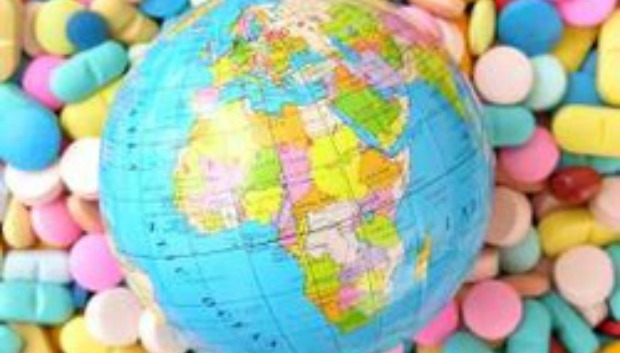
• Africa has emerged as world's fastest growing economic regions over past 2 decades • Pharma industry of Africa projected 9.8% annual growth rate between 2010 & 2020 • Africa market will be worth USD 40 billion to USD 65 billion by 2020 • Africa GDP rising to USD 3.9 Trillion by 2020 • New Regulatory Agency & efforts to augment economic growth, will positively contribute to growing pharma sector & attract foreign investments • In many African countries, generic drugs are gaining market share at the expense of over-the-counter and branded products The pharmaceuticals market in Africa is expected to reach a business opportunity of $45 billion in 2020, propelled by a convergence of changing economic profiles, rapid urbanisation, increased healthcare spending and investment, and increasing incidence of chronic lifestyle diseases. The value of Africa’s pharmaceutical industry jumped to $20.8 billion in 2013 from just $4.7 billion a decade earlier. That growth is continuing at a rapid pace and it is predicted that the market will be worth $40 billion to $65 billion by 2020. That’s good news for multinationals and pharmaceutical companies seeking new sources of growth as developed markets stagnate. It’s also good news for patients, who have gained access to medicines previously unavailable on the continent. The tropical climate of Africa makes the continent the largest reservoir of infectious diseases, particularly malaria, tuberculosis (TB), and acquired immune deficiency syndrome (AIDS), besides frequent outbreaks of polio, meningitis, cholera, pandemic influenza, yellow fever, measles, hepatitis, and tetanus. With the increasing adoption of Western lifestyle in Africa, there has been a paradigm shift in the burden of illness towards non-communicable diseases (NCDs), driving the demand for chronic prescription drugs. While continuing to suffer from infectious and parasitic illness, lifestyle diseases such as cardiovascular diseases, diabetes, and cancer will witness high growth rates throughout the forecast period. The World Health Organisation predicts that the proportional contribution of NCDs to the healthcare burden in Africa will rise by 21% through 2030. What’s driving growth of the pharmaceutical industry in Africa? Africa’s pharmaceutical markets are growing in every sector. Between 2013 and 2020, prescription drugs are forecast to grow at a compound annual growth rate of 6 percent, generics at 9 percent, over-the-counter medicines at 6 percent, and medical devices at 11 percent. Three factors are driving this growth: • Rapid Urbanization. Africa’s population is undergoing a massive shift. By 2025, two-fifths of economic growth will come from 30 cities of two million people or more; 22 of these cities will have GDP in excess of $20 billion. Cities enjoy better logistics infrastructures and healthcare capabilities, and urban households have more purchasing power and are quicker to adopt modern medicines. • Healthcare Infrastructure. Between 2005 and 2012, Africa added 70,000 new hospital beds, 16,000 doctors, and 60,000 nurses. Healthcare provision is becoming more efficient through initiatives such as Mozambique’s switch to specialist nurse anesthetists and South Africa’s use of nurses to initiate antiretroviral drug therapy. The introduction of innovative delivery models is increasing capacity still further. • Africa's Changing Business Environment. To create a more supportive environment for business, governments have introduced price controls and import restrictions to encourage domestic drug manufacture; required country-specific labeling to reduce counterfeiting and parallel imports; and tightened laws on import, wholesale, and retail margins. In the pharma industry, meanwhile, pharmacy chains are consolidating, horizontal and vertical integration is on the rise, and manufacturing is expanding. A flurry of mergers and acquisitions, joint ventures, strategic alliances, partnerships, and private-equity deals are further extending Africa’s markets. The Growing Market for Pharmaceutical in Africa Africa is in a transition phase, on its way to achieving adherence to global standards, such as the WHO pre-qualification for manufacturing. Local production is regarded as a key strategy for sustained access to quality-assured medicines for the long term. The regulatory environment for manufacturing in regions such as East Africa seems to grow rapidly, owing to regional harmonisation. Healthcare coverage is expected to expand to a greater proportion of the population through National Health Insurance (NHI) initiatives, as well as through memberships with private health insurance providers, particularly among the emerging middle class. South Africa remains as the best established region for pharmaceutical manufacturing in sub-Saharan Africa. However, the local manufacturing markets in East and West Africa are relatively well developed and positioned to grow. A bulk of Africa-based pharmaceutical companies that are developing medicines have simple formulations and mixtures, which are easy to do. Technology transfer is paramount to developing the manufacturing sector in Africa, particularly as the disease burden is changing. There is a paradigm shift coming from the lower end to the higher end of adoption of complex formulations, in line with treatment guidelines, especially in HIV and AIDS and NCDs. In a world of slowing and stagnating markets, Africa represents perhaps the last geographic frontier where genuinely high growth is still achievable. Early movers can take these four steps to pursue competitive advantage: The African Market Africa is not one unified market, but 54 distinct ones, with wide gaps between countries in terms of their market size, growth trajectory, macroeconomic landscape, legal structure, and political complexities. Over the past decade, ten countries have delivered more than two-thirds of Africa’s GDP and cumulative growth.1 However, much of the opportunity lies not at country level, but in cities. In fact, our analysis shows that 37 percent of African consumers are concentrated in 30 cities, which will have more consuming households than Australia and the Netherlands combined by 2025. Generic Medicines Gaining Popularity in African Markets In many African countries, generic drugs are gaining market share at the expense of over-the-counter and branded products. In South Africa, Egypt, Algeria, Morocco, Nigeria, and Kenya, generics grew at an average CAGR of 22.3 percent between 2004 and 2011, considerably faster than the 13.4 percent for pharmaceuticals as a whole. This trend looks set to continue. Between 2010 and 2014, generics’ share of the market grew from 22 to 25 percent in Algeria, for instance, and from 23 to 28 percent in Morocco. Several factors are responsible for this shift. First, physicians and pharmacists are getting used to prescribing generic drugs. Second, as national insurance programs expand and more people gain access to health care, demand for generics will rise at the expense of costlier branded drugs. Third, many governments are showing strong support for generics. For instance, South Africa requires pharmacists to inform private patients about generic alternatives when they purchase prescription drugs; Nigeria has a similar law; and Morocco aims to increase generics sales to 70 percent of publicly funded pharmaceuticals How to Penetrate the African Market Real talent is key and requires investment in big, effective local marketing and sales teams. That means hiring more pharmacy representatives, building teams’ technical skills, and selecting and developing strong local managers to lead them. Sales teams also should be set up in a flexible way that enables them to be responsive to the needs of local markets. Forge partnerships with African Companies Global pharmaceutical companies need local business partners – manufacturers, packaging companies, and distributors – to help them navigate the continent’s many markets, with their widely varying consumer preferences, price points, manufacturing, and distribution infrastructures. In the absence of a pan-African pharma regulatory body, they also need to invest in local partnerships to understand varying regulatory environments. Partnerships with governments are equally important, whether they involve working with medical opinion leaders to guide research priorities and secure funding, or collaborating with health ministries and nongovernmental organizations to provide public-awareness campaigns, health screening, treatment, equipment, and training for hospitals and clinics. Johnson & Johnson, for example, has partnered with the South African government to introduce an education program for maternal, newborn, and child health that operates via mobile-phone messaging. Distribution Channels in Africa In parts of Africa, supply and distribution mechanisms still pose challenges: regulations are evolving, transport and logistics infrastructures are patchy, and lead times can be long. The ability to innovate the distribution channel and set up effective operations against this challenging backdrop is critical to capturing growth opportunities. Helpful strategies include locating fixed assets in countries with well-established political and business structures, outsourcing supply chains to third-party operators, and partnering with local logistics providers to identify efficient transport routes. In the key area of customs and border control, companies should work with the most reliable agents to minimize shipping delays, use only bonded distribution centers, and ensure all customs paperwork is airtight. Exporting to African Markets In a world of slowing and stagnating markets, Africa represents the last geographic frontier where high growth is still achievable. As ever, the key to success lies in understanding individual markets in granular detail. Early movers with the right approach should be able to capture competitive advantage. Africa will continue to grow for the foreseeable future. Now is the time for drug companies to decide whether they want to be part of that growth and, more important, play an active role in improving public health. Often in the past, those on the continent who require medication have not been able to afford it because it is too expensive, while distribution networks have been limited because suppliers know that the market for selling their products at a commercial rate is limited. Yet the economics of pharmaceutical production are changing. For many years, pharmaceutical companies sought to maintain fairly high prices for their products wherever they were sold, but that system has been greatly eroded for key drug classes, including for the anti-retrovirals used to treat people living with HIV-Aids. Manufacturing costs, including the price of the raw materials, often comprise a very small proportion of the total cost of medicines, with the lion’s share often absorbed by research and development (R&D). As a result, identical copies of many pharmaceuticals, known as generics, can be produced at very low cost. Indian firms in particular have been able to fill this niche, as Delhi greatly reduced patent protection in 1970, allowing Indian firms to reverse-engineer many medicines. Global pharmaceutical companies have repeatedly challenged this process through legal action but the generic manufacturers have won a number of high-profile victories, including on the supply of drugs to Africa that combat many of the continent’s biggest killers, including HIV-Aids, and the same process is likely to occur with the distribution of anti-retrovirals. Africa Business Pages has compiled a special directory that lists importers of pharmaceutical products. The Africa Pharmaceutical Directory is updated every six months and is available for download here. The AfDB believes: “Africa’s pharmaceutical industry is the fastest growing in the world”. It is generally reckoned that the pharmaceutical market will be worth $40-$60bn a year by 2020 and the African pharmaceutical market growth presents a ‘win-win’ for companies and patients.

The pharmaceuticals industry in Africa is one of the fastest growing sectors of business in Africa. The value of Africa’s pharmaceutical industry is expected to be worth $40 billion to $65 billion by 2020 from just $14.5 billion a decade earlier. This makes Africa a prime market for multinationals and pharmaceutical companies seeking new growth markets as traditional markets stagnate. The rapid growth of the pharmaceutical industry in Africa also augurs well for African patients, who have gained access to medicines previously unavailable in the African markets. By 2020, prescription drugs are forecast to grow at a compound annual growth rate of 6 percent, generics at 9 percent, over-the-counter medicines at 6 percent, and medical devices at 11 percent. Some of the main factors driving the booming pharmaceutical industry in Africa are: The Market for Pharmaceuticals in Africa Africa’s population is growing at a fast pace and changing the dynamics of the pharmaceuticals industry in Africa. It is estimated that by 2025, two-fifths of Africa’s economic growth will come from 30 African cities of two million people or more; 22 of these African cities will have GDP in excess of $20 billion. Cities in Africa have better logistics infrastructure and healthcare facilities, and urban households have more purchasing power and are quicker to adopt modern medicines – thereby making the pharmaceuticals industry in Africa an attractive business sector in the coming years. Pharmaceuticals Industry in Africa In the last decade alone, African countries have added 70,000 new hospital beds, 16,000 doctors, and 60,000 nurses. Africa’s healthcare sector is becoming increasingly effective through initiatives such as Mozambique’s switch to specialist nurse anesthetists and South Africa’s use of nurses to initiate antiretroviral drug therapy. The introduction of innovative delivery models is further increasing capacity and providing growth to the pharmaceuticals industry in Africa. Pharmaceutical Companies in Africa In order to regulate the rapid growth of the pharmaceuticals industry in Africa, African governments have introduced price controls and import restrictions to encourage domestic drug manufacture; making country-specific labeling mandatory to reduce counterfeiting and parallel imports; and tightening laws on import, wholesale, and retail margins. In the pharma industry, meanwhile, pharmacy chains in Africa are consolidating, horizontal and vertical integration is on the rise, and manufacturing is expanding. A flurry of mergers and acquisitions, joint ventures, strategic alliances, partnerships, and private-equity deals are further extending Africa’s pharmaceuticals market. Database of Importers of Pharmaceuticals in Africa The Africa Business Pages has compiled a database of importers of pharmaceuticals for those wanting to export pharmaceuticals to Africa. The database contains list of pharmaceuticals companies in Africa, importers of pharmaceuticals in Africa, companies in Africa engaged in hospital supplies, list of pharmacies in Africa, importers of hospital furniture in Africa as well as wholesalers of pharmaceuticals in Africa. Pharmaceutical companies wanting to export to Africa will find this database useful in identifying potential business partners in the African markets and contacting them with their business proposal. Many pharmaceutical companies use this resource for email marketing by using the Africa Pharmaceuticals Directory as an email database to reach importers in Africa of various pharmaceuticals. This database cum importers directory contains corporate information about importers of pharmaceuticals in Africa and also lists pharmacies in Africa, pharmaceutical companies marketing products in the African markets. Information includes company name, addresses, telephone numbers, fax numbers, mobile numbers, emails, links to corporate websites and business classification where applicable. You can also sort the data under different countries in order to target importers of pharmaceuticals in Africa, hospital suppliers in Africa.
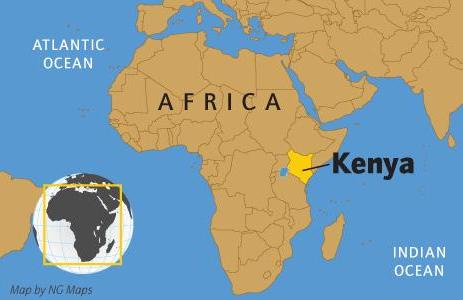
The pharmaceutical industry in Kenya is growing at a rapid pace and offers excellent opportunities for exporters and manufacturers to establish their products and services in the lucrative market for pharmaceuticals in East Africa. Kenya is currently the largest producer of pharmaceutical products in the Common Market for Eastern and Southern Africa (COMESA) region, supplying about 50% of the regions’ market. Kenya’s prescription pharmaceuticals market is worth over $500 million and is expected to grow at a compound annual growth rate (CAGR) of 11.8% till 2020. Prescription drugs account for around 78% of the market. However, the fastest growth in the coming years is expected in the over-the-counter (OTC) product sales. The pharmaceutical industry in Kenya consists of three segments namely the manufacturers, distributors and retailers. All these play a major role in supporting the country’s health sector, which is estimated to have about 5,000 health facilities countrywide. The number of companies engaged in manufacturing and distributionof pharmaceutical products in Kenya continue to expand, driven by the Government’s efforts to promote local and foreign investment in the sector. There are about 700 registered wholesale and 1,300 retail dealers in Kenya, manned by registered pharmacists and pharmaceutical technologists. These pharmacies are accorded a 25% mark-up on retail drugs. The pharmaceutical sector in Kenya is also engaged in assembling capsules, disposable syringes, paracetamol, and surgical gauze amongst others. Kenya spends about 8% of its GDP on health. The Kenya Medical Suppliers Agency (KEMSA), a division of the Ministry of Health, largely carries out the distribution of pharmaceutical products in Kenya. It distributes drugs to government public health facilities and private health facilities. The health sector in Kenya is one of the sectors that has experienced remarkable development in the recent years. The country has made great efforts in controlling diseases like Malaria, TB and Cholera while actively fighting the AIDS/HIV pandemic. Similar efforts have been made in controlling communicable diseases like poliomyelitis, neonatal tetanus and measles. The targets for eradication of the guinea worm disease and elimination of lymphatic filariasis and leprosy have been attained. Other parasitic diseases of epidemiological concern such as schistosomiasis, helminthiasis and leishmaniasis are seriously being addressed. The market is heavily dependent on the private clientele, and affordability remains a primary restraint, together with low reimbursement rates. Kenya also enjoys preferential access to the regional market under a number of special access and duty reduction programmes related to the East African Community (EAC) and the Common Market for Eastern and Southern Africa (COMESA) among others. Increasingly, urban consumers constitute Kenya’s primary market segment, while private hospital pharmacies remain the principal vendors within the market’s urban sector. Pharmaceutical Manufacturing Companies in Kenya: Alpha Medical Manufacturers – Nairobi Aventis Pasteur SA East Africa – Nairobi Bayer East Africa Limited – Nairobi Beta Healthcare (Shelys Pharmaceuticals) – Nairobi Cosmos Limited – Nairobi Dawa Pharmaceuticals Limited – Nairobi Didy Pharmaceutical – Nairobi Diversey Lever – Nairobi Eli-Lilly (Suisse) SA – Nairobi Elys Chemical Industries Ltd – Nairobi Glaxo SmithKline – Nairobi High Chem East Africa Ltd – Nairobi Ivee Aqua EPZ Limited – Athi River Mac’s Pharmaceutical Ltd – Nairobi Manhar Brothers (Kenya) Ltd – Nairobi Novartis Rhone Poulenic Ltd – Nairobi Novelty Manufacturers Ltd – Nairobi Pfizer Corp (Agency) – Nairobi Pharmaceutical Manufacturing Co (K) Ltd – Nairobi Pharmaceutical Products Limited – Nairobi Phillips Pharmaceuticals Limited – Nairobi Regal Pharmaceutical Ltd – Nairobi Universal Pharmaceutical Limited – Nairobi Cardiovascular, diabetes and anti-infectives constitute the largest and fastest-growing prescription market segments, and GlaxoSmithKline (GSK) is reported to be Kenya’s leading pharmaceutical supplier, with around 12% market share. This is primarily due to the fact that the company reduced the prices of key products by approximately 40% a few years back. Around 41% of all anti-infective products sold in pharmacies were licensed to GlaxoSmithKline. GlaxoSmithKline has been able to garner a substantial share of Kenya’s pharmaceutical market largely due to the popularity of its anti-infectives, which account for approximately 42% of all revenues generated in the prescription sector. The prices of Amoxil (amoxicillin) 500mg, Suprapen (amoxicillin plus flucloxacillin) 500mg and Floxapen (flucloxacillin) 500mg are particularly competitive within the respective active ingredient classes Cardiovascular is Kenya’s most dominant and fastest-growing prescription market segment, worth around $40 million in 2017 and expected to show a CAGR of 15.4% to 2019, while the diabetes market was valued at approximately $35.2 million last year and is forecast to rise at a CAGR of 13.5% during 2010-2019. Based on revenue segmentation, the top-selling cardiovascular product in Kenya was Nebilit [nebivolol) 5mg, licensed to Menarini, accounting for approximately 7% of revenues for all prescription products sold. And within the diabetes therapeutic segment, Merck Serono’s Glucophage (metformin) 500mg was the most popular product, based on volume segmentation, accounting for approximately 19.8% of all oral hypoglycaemic tablets sold. Kenyan private consumers’ prefer branded innovator products, despite the high penetration of generic manufacturers within the overall industry. A critical success factor within the Kenyan market is the use of distributors with established networks with key vendor outlets. Investment Opportunities in Kenya’s Pharmaceuticals Industry Opportunities for investment in the health/pharmaceutical sector in Kenya include: ? Manufacture of disposable surgical gloves, latex gloves and condoms. Commercial processing of traditional medicines, considering the diverse flora available in the country. ? Multipurpose chemical plant for bulk production of intermediate inputs such as paracetamol, aspirin, etc. ? Processing of locally available sugar, salt (sodium chloride) and ethanol to pharmaceutical grade for pharmaceutical industry use. ? Chemical plant to manufacture anti tuberculosis, anti-leprosy, antibiotic rifampicin from the penultimate state. ? Manufacture of Quinine by extraction from Cinchona bark and subsequent purification and synthesis to Quinine sulphate. ? Extraction of Hecogenin from sisal waste and synthesis of Betamethasone from Hecogenin. Manufacture of medical supplies e.g. syringes, catheters, gauzes, etc,and medical equipment for the regional market. Prospects for the pharmaceutical industry in Kenya? Export of high quality products ?Increased quantity of production Expand product portfolio and intensify the search for new markets and marketing opportunities Support for medical research Kenya’s Pharmaceutical Industry 15 Ensure strict adherence to the national code of conduct and the industry’s code of practice. Importers Database: Importers of Pharmaceuticals in Africa The research team at Africa Business Pages has compiled a valuable database of pharmaceutical companies in Africa through painstaking work across more than 20 African countries. The result is the compilation of the first even Africa Pharmaceutical Directory which lists more than 6,500 pharmaceutical companies in Africa. This database of pharmaceutical-related companies in Africa lists wholesalers of pharmaceuticals in Africa, pharmacies in Africa, pharmaceutical retailers in Africa, hospital suppliers in Africa, Pharmaceuticals Distributors, Clinics & Hospitals, Government Medical Clinics, Medical Institutes as well Manufacturers of Pharmaceuticals in Africa. The Africa Pharmaceutical Directory is available for download here. Companies and exporters of pharmaceuticals from across the world have been using this database of pharmaceutical companies in Africa to reach potential buyers in Africa of pharmaceuticals and connect with importers of pharmaceuticals in Africa. This Directory contains the latest and complete information about your potential business partners in several cities across Africa. Listings of Top Companies Dealing in Pharmaceuticals In MS Excel format Classified under different Trade Categories Up-to-date database of tyre dealers in Africa The database is well organised in an Excel sheet and the sortable fields include: Company Name, Address, Phone, Fax, Email, Website, Business Category.

Nigeria is one of the most promising and rapidly growing pharmaceutical markets in West Africa with more than 150 pharma formulation manufacturing facilities. The Nigerian pharma industry is growing at 13 % annually. The estimated market size is $1.8billion. In the ECOWAS (Economic Community of West African States) West Africa sub-region approximately 60% of drug manufacturing takes place in Nigeria, underlining the huge sub regional market. As Africa’s largest economy, most highly populated country, and biggest consumer market, Nigeria has been hailed as the next frontier for pharma after South Africa and the hotspots of Northern Africa. As more people join the ranks of the middle classes, household consumption is expected to grow by $94 billion over the next ten years. As out-of-pocket spending accounts for the bulk of healthcare expenditure, growth in consumption should translate into higher healthcare spending. The Federal Government of Nigeria are incentivising Nigerian drug manufacturers with tax holidays to support extra investment for quality upgrades and new factories. Nigeria’s pharmaceutical manufacturing sector has remained focused on the growth and expansion of drug manufacturing within the country. The sector has invested $300 billion in machinery and quality upgrades as a way to end drug importation. The Economic Community of West African States (ECOWAS), such as Ghana, Ivory Coast and Cameroon has 300 million consumers, with combined GDP of $734.8bn and annual growth rate of 6.3%. Nigeria and Ghana provide strong business opportunities for big pharmaceutical and generic pharmaceutical companies because the tropical climate in which Nigeria and Ghana are situated makes the areas a hotbed for infectious diseases, particularly malaria, tuberculosis and AIDS among numerous others. With a combined revenue base estimated to reach $3.12 billion in 2018 from $1.63 billion in 2003 at a compound growth rate of 13.39 per cent, the pharmaceutical industry in Nigeria and Ghana is very promising for investors. Counterfeits and Parallel Imports Plague Nigeria’s Pharma Industry In Nigeria’s predominantly informal distribution and retail networks, counterfeit and parallel medicines are often difficult to distinguish from the genuine article. Estimates suggest that informal retail accounts for more than three-quarters of the value of the pharma market, and parallel imports for up to half of drugs sold in some TAs. Several generics companies that have no commercial activities registered in Nigeria still have statin variants that are widely distributed and sold there, for instance. With a population of 180 million currently, the largest in Africa and abundance of human and natural resources, investment in the Nigerian pharmaceutical industry has a high potential of succeeding faster than any other country in the region. Besides, the estimated population increase to 200 million by 2020 according to recent forecasts means that the disease burden of the country will increase and consequently escalate demand for pharmaceutical products. Africa Pharmaceutical Directory: Reach Importers of Pharmaceutical in Africa The research team at Africa Business Pages has compiled a valuable database of pharmaceutical companies in Africa through painstaking work across more than 20 African countries. The result is the compilation of the first even Africa Pharmaceutical Directory which lists more than 6,500 pharmaceutical companies in Africa. This database of pharmaceutical-related companies in Africa lists wholesalers of pharmaceuticals in Africa, pharmacies in Africa, pharmaceutical retailers in Africa, hospital suppliers in Africa, Pharmaceuticals Distributors, Clinics & Hospitals, Government Medical Clinics, Medical Institutes as well Manufacturers of Pharmaceuticals in Africa. The Africa Pharmaceutical Directory is available for download here. Companies and exporters of pharmaceuticals from across the world have been using this database of pharmaceutical companies in Africa to reach potential buyers in Africa of pharmaceuticals and connect with importers of pharmaceuticals in Africa. This Directory contains the latest and complete information about your potential business partners in several cities across Africa. Listings of Top Companies Dealing in Pharmaceuticals In MS Excel format Classified under different Trade Categories Up-to-date database of tyre dealers in Africa The database is well organised in an Excel sheet and the sortable fields include: Company Name, Address, Phone, Fax, Email, Website, Business Category.
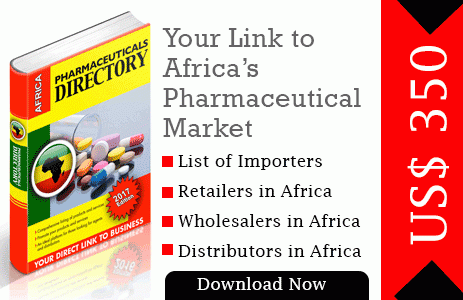
The research team at Africa Business Pages has compiled a valuable database of pharmaceutical companies in Africa through painstaking work across more than 20 African countries. The result is the compilation of the first ever Africa Pharmaceutical Directory which lists more than 6,500 pharmaceutical companies in Africa. This database of pharmaceutical-related companies in Africa lists wholesalers of pharmaceuticals in Africa, pharmacies in Africa, pharmaceutical retailers in Africa, hospital suppliers in Africa, Pharmaceuticals Distributors, Clinics & Hospitals, Government Medical Clinics, Medical Institutes as well Manufacturers of Pharmaceuticals in Africa. The Africa Pharmaceutical Directory is available for download here. Companies and exporters of pharmaceuticals from across the world have been using this database of pharmaceutical companies in Africa to reach potential buyers in Africa of pharmaceuticals and connect with importers of pharmaceuticals in Africa. This Directory contains the latest and complete information about your potential business partners in several cities across Africa. Listings of Top Companies Dealing in Pharmaceuticals In MS Excel format Classified under different Trade Categories Up-to-date database of tyre dealers in Africa The database is well organised in an Excel sheet and the sortable fields include: Company Name, Address, Phone, Fax, Email, Website, Business Category.
Preliminary request for participation in the trade show
place
calendar_today
Preliminary request for visitor registration
Visitor Registration
place
calendar_today