
Tanzania is adopting tough measures to check the the inflow of substandard lubricants into the country. Tanzania is an important market for lubricants in Africa. This was announced in the backdrop of the announcement by the Government Chemist Laboratory Agency (GCLA) that over 50 per cent of imported lubricants in the country are of inferior quality. Industry, Trade and Investment Minister Charles Mwijage said the new measures will involve strict restriction and regulation of lubricant dealers. Tanzania consumes 30 million litres of lubricants annually, with 20 million litres produced in the country and the remaining 10 million litres imported. EWURA has licensed only four local firms, Oryx Energies, Petrolube, General Petroleum and Tanzania Mineral Oil, to produce lubricants. “The government had realised that liberalisation of the business has turned into a serious problem,” said Charles Mwijage. “The ministry was aware of the proliferation of trashy lubricants in the market, with many cases at police involving dealers of shoddy products,” he said. “We want to introduce a strict system that will allow only special dealers to trade in lubricants … these are special products that should not be indiscriminately sold,” he said, adding, “Under the new system, consumers will be barred from buying the lubricants from uncertified dealers … they will only get the products from special outlets.” The minister noted with concerns the massive damages that the sub-standard lubricating oils cause to the vehicles. The new measures will ensure that the dealers are obliged to submit to Tanzania Bureau of Standards (TBS) a ‘Notice of Intention to Import’ prior to the lubricant importation. Under the arrangement, importation will only be effected subject to TBS approval after scrutinising the specifications of the lubricants. TBS will implement all the measures in collaboration with GCLA and the Energy and Water Utilities Regulatory Authority (EWURA), said the minister. “TBS should agree with EWURA on the modalities to go about it… they should work together,” the minister stressed. TBS announced recently that it had nabbed some dishonest people whom it accused of illegal production of the lubricants in Temeke and Ilala districts. TBS Acting Director General, Egid Mubofu, said an unregistered factory in Temeke District was identified and closed during the operation, pending prosecution of its owners. He said 12,296 litres of sub-standard engine oil, 811 litres of brake fluid and 1,241 litres of ATF lubricant were impounded. The value of the entire consignment is estimated at 46m/-. Dr Mubofu called on producers and importers of lubricants to ensure that they sell standard and quality products, saying TBS will continue collaborating with other agencies like the Police and Tanzania Revenue Authority (TRA) on its crackdown against illegal dealers
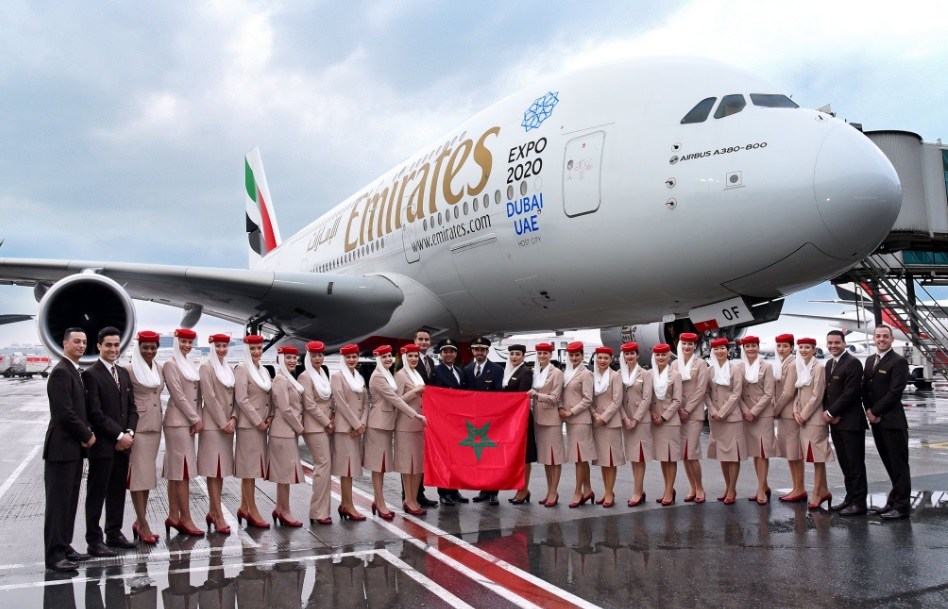
Rabat – Emirates airlines launched its Airbus A380 flight from Dubai to Casablanca’s Mohammed V Airport. In a communiqué published Sunday on its official website, Emirates airlines said that it is the first A380 operator to fly into North Africa and South America. It also made a return to Tokyo-Narita. “Early Sunday morning, from its hub in Dubai, Emirates flight EK318 set off for Narita, Japan. This was followed by flight EK751 to Casablanca, and then flight EK261 to Sao Paulo,” Emirates Airline said. The airline company, which started in 1985, replaced the A380 with the Boeing 777-300ER aircraft was used on the Emirates’ Dubai-Casablanca route towards the aim of “increasing seat capacity across all three cabin classes and an enhanced premium product experience.” The purpose of the switch is to “meet a growing demand from travelers on the route, with 14 private suites in First Class, 76 lie flat seats in Business Class and 401 seats in the spacious Economy Class cabin.” The A380 will provide a total of 1,834 additional seats per week, according to a previous communiqué issued by the Emirates Airline last December. Dubai to Morocco Noting the strong commercial relations with Morocco, Emirates Airline said, “Casablanca has become one of Emirates’ most popular destinations, which has seen steady growth since being launched in March 2002.” In 2015, the Emirates Airline said it carried nearly 260,000 passengers and more than 10,000 tons of cargo, “stimulating business and leisure travel between Casablanca and Dubai.” Travelers who will fly from Casablanca to Dubai served by the new A380 will be connected to onward destinations in the Emirates network in the GCC, east Asia and Australia, such as Kuwait, Saudi Arabia, Doha, Beijing, Shanghai, Guangzhou, Hong Kong, Sydney, Brisbane and Perth.
A move to strengthened destination marketing and boost tourism in the land of Kilimanjaro and spices, Destination Zanzibar returns to Arabian Travel Market (ATM) 2017, through strategic alliance with Zanzibar Commission for Tourism (ZCT), Zanzibar Association of Tour Operators (ZATO), Zanzibar Association of Tourism Investors (ZATI) and Tanzania Tourism Board under the banner “Tanzania – the land of Kilimanjaro, Zanzibar & the Serengeti”. Determined to develop a holistic campaign that delivers a stronger voice and aligned vision, this partnership will serve as a forum for networking and collaborations while showcasing Tanzania as a growing market with business opportunities within leisure and business travel sectors. During international travel shows, the partnership’s objective will continue to promote world-class travel experiences including Safari wildlife, cultural adventures, beach experiences and all that remains unexplored. Joining Tanzania Tourism Board and Zanzibar Commission for Tourism at this year’s edition of Arabian Travel Market is Destination Zanzibar, Asanja Africa, Azao Resort, Bluebay Hotels Zanzibar, Bobby Tours Tanzania Safaris, Exotic Zanzibar, Golden Tulip Zanzibar Resort, Lifestyle Safaris & Holidays, Ngorongoro Conservation Area Authority, The Aiyana Hotel, Zan Tours and Zanzibar Association of Tour Operators. The delegation will discuss changing travel trends across Luxury, Adventure, Safaris and Family Holidays as well as MICE inviting operators to connect with representatives, operators and hoteliers promoting Zanzibar as more than sun, sand and sea and Safari products. Culturally, historically and economically interesting for GCC travelers, Tanzania and Zanzibar islands aim to engage with GCC travel agencies and stakeholders allowing them to get better acquainted with the destination and its attractions. Major Gulf carriers like Emirates, FlyDubai, Qatar Airways, Oman Air and Etihad who fly frequently to Tanzania, have become catalysts to changing tourism landscape “We predicted positive results following our participation at last year’s edition of ATM. Zanzibar has since witnessed an increase in tourism from this region, a testament to the destination potential across the Gulf. Tourism will continue to grow as the market develops and offers wide range of holiday packages for a wider demographic. Returning to ATM 2017 is a milestone for Zanzibar team; we have united with TTB to promote Tanzania – the land of Kilimanjaro, Zanzibar & the Serengeti, presenting the entirety of the destination that includes safari and beach holidays, undoubtedly a feather on our cap” said Hafsa Mbamba, Managing Director, Destination Zanzibar. Tanzania Tourism “Collective collaboration unites our common goals and governs our efforts to boost travel and tourism to mainland Tanzania and Zanzibar. A land of plenty, Tanzania is blessed with natural beauty, wildlife, rich history, fascinating cultures and stunning beaches, making it one of the most beautiful and must visit places on earth. As we enter this new market, competing against matured destinations, we have no doubt or skepticism towards what we bring to new audience and travel industry across the GCC ” said Devota Kasanda Mdachi, Managing Director, Tanzanian Tourism Board. Inhabited by friendly and warm-hearted people, Tanzania is one of the most beautiful places to visit providing travellers the most unforgettable holiday experiences in the world. A melting pot with unique attractions, it is by far a destination of contradictions suitable for families, honeymooners as well as adventurers and thrill seekers. The changing landscape of tourism in mainland Tanzania and Zanzibar means expansion across hospitality sector and aviation industries will continue as hotels, resorts; airlines and tour operators enter the market attracting foreign investors across tourism sector.
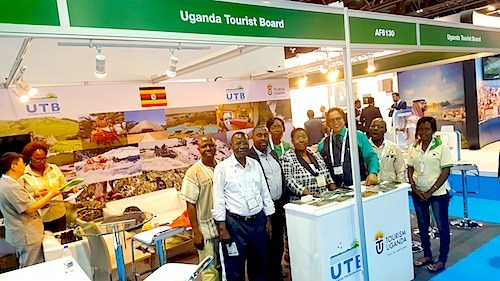
Uganda woos tourists from the Middle East
folder_open East Africa , Exhibitions
In order to boost its tourism income, Uganda is making efforts to promote its tourism industry internationally. As part of this plan, the country hosted a special stand at the Arabian Travel Market (ATM) in Dubai to showcase its tourism products in the Middle East markets. “Arabian Travel Market is an important event for us and helps us reach new markets in the Middle east region,” said Edwin Muzahura, Marketing Manager of Uganda Tourism Board. “We are hoping that travellers from the Middle East will travel to Uganda in increasing numbers to take advantage of the excellent tourism infrastructure that Uganda has developed over the years – including some world-class hotels and resorts. Excellent air connectivity between the GCC countries and Uganda also augurs well for increased bi-lateral tourism and travel ties between Uganda and the Middle East,” he said. ATM is the leading global event for the Middle East inbound and outbound travel industry and has played an important role in promoting new destinations amongst the high-spending tourists from the Middle East. Following the success of the 2016 exhibition, where more than 40,000 industry professionals, including 30,000 trade visitors, agreed deals worth USD 2.5 billion, it is expected ATM 2017 will welcome over 2,600 confirmed exhibitors – with 100 exhibiting for the first time – across 65 national pavilions. The show will also extend across an additional hall, in order to meet growing demand. “The United Arab Emirates presents Uganda with huge opportunity to tap tourist arrivals by virtue of its geographical proximity and excellent air connections”, said Irene Florence Persis Wekiya, Ambassador of Uganda to the United Arab Emirates. “Uganda is less than five hours flight time from Dubai to Entebbe. There are as many as nine airlines that provide easy connectivity and frequency to Entebbe from UAE, including flydubai, Emirates Airlines (from Dubai), Air Arabia (from Sharjah), and Etihad Airways (from Abu Dhabi). Uganda has an Embassy in the UAE in Abu Dhabi making visa processing much more convenient. Most expatriates are able to process their visa on arrival”, said Irene Wekiya. Halal Certified Easy availability of halal food has also attracted Muslim travellers from the Middle East in recent years. The Uganda Halal Bureau has listed nine manufacturers whose products qualify for Halal certification. According to recent studies, by 2020, more than 160 million Muslim tourists are expected to travel globally, spending upward of US$200 million. Uganda is aiming to garner of sizeable share of this market by setting standards for hotels and other touristic facilities to be certified as ‘Halal and Muslim’ friendly destinations. Uganda-Dubai Travel Ties “We must allow these factors to play into our advantage and attract more tourists from Dubai to Uganda,” said Irene Florence Persis Wekiya. “Uganda’s participation at the Arabian Travel Market also aims at increasing business-to-business contacts among travel professionals as well as exchange ideas and share best practice with travel trade,” she said. UAE is one of the the principal market for Uganda in the greater GCC market that consists of Bahrain, Kuwait, Oman, Qatar, Saudi Arabia and United Arab Emirates. Commenting at the launch of the Entebbe route in 2014, flydubai CCO Hamad Obaidalla had said: “We are delighted to be flying to Entebbe, one of Africa’s leading commercial centres. With daily flights offering the choice of Economy and Business Class, we will facilitate the flow of tourism and business between Uganda and the UAE.” Last year Dubai’s Department of Tourism and Commerce Marketing’s (Dubai Tourism) organised the first-ever East Africa road show that also went to Kampala to promote bi-lateral travel and tourism ties between Uganda and the United Arab Emirates. In 2016, the UAE was the fifth largest source market for Uganda globally. The Uganda Tourism Board (UTB) is the official Government destination market organisation with the responsibility to promote and market Uganda as the preferred tourism destination in Africa. In this UTB works with other government agencies and the private business operators in the tourism sector. UTB does not run private tours, but represents the tourism industry players and promotes all for the public benefit.
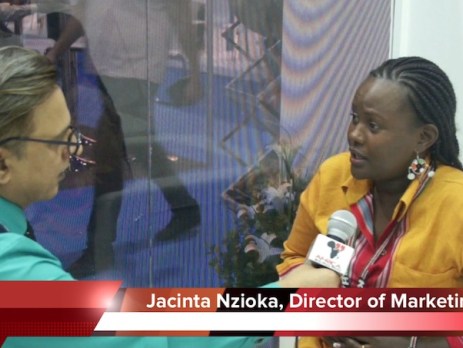
Kenya is increasingly its promotion activities aimed at attracting tourists from the Middle East as its tourist industry has been recovering from a slump due to recent events like kidnappings of tourists by Somali pirates and weakness in the euro-zone economy. Against such a backdrop, the United Arab Emirates presents Kenya with huge opportunity to tap tourist arrivals by virtue of its proximity that Kenya enjoys with a less than five hours flight time from Dubai to Nairobi. There are many airlines that provide easy connectivity and frequency to Nairobi from UAE, including Kenya Airways, Emirates Airlines (from Dubai), Air Arabia (from Sharjah), and Etihad Airways (from Abu Dhabi). Kenya has an Embassy in the UAE in Abu Dhabi and a Consulate General in Dubai making visa processing in Dubai much more convenient. Most expatriates are able to process their visa on arrival. The UAE and Kenya have also signed a double-taxation avoidance agreement, which included the clause that all the UAE’s national carriers would be exempt from taxes in Kenya. “We plan to organise a special familiarisation trip for schools to further expand our reach and explore new areas of inbound tourist traffic from the Middle East,” said Jacinta Nzioka, Director of Marketing for Kenya Tourism Board. “Through our participation in the Arabian Travel Market we hope to further consolidate our position as a popular tourist destination for travellers from the Middle east by showcasing our varied tourist attractions,” she said. According to recent reports the number of outbound trips from the UAE increased by 5 per cent last year, with as many as 3.5 million outbound visitors. With this surge in growth in the UAE tourism industry, Kenya Tourism Board seeks to woo travellers from the UAE and emerge as a popular destination for visitors from the region. The Kenya Tourism Board aims to grow sales by 10,000 from 18,428 to 28,428 UAE by December 2017. The global consolidated arrivals in to Kenya for 2016 closed at 1,307,351, a 10.4% growth over 2015 that recorded 1,183,847. Added advantages to travel to kenya include the recent incentives like park fees reduction, waiver of visa fees for children under 16 and the Charter Incentive Programme (CIP) as part of the other programmes that are aimed at growing Kenya’s attractiveness for travellers from the Middle East. UAE is the principal market for Kenya in the greater GCC market that consists of Bahrain, Kuwait, Oman, Qatar, Saudi Arabia and United Arab Emirates. In 2016, the UAE was the fifth largest source market for Kenya globally. Kenya Tourism Board (KTB) was established in 1997 with the objective to inspire the world to visit Kenya through effective marketing of Kenya’s tourism products while enriching the lives of Kenyans and visitors alike.

Email marketing in Africa has been yielding excellent results for entrepreneurs from across the world looking for buyers in the lucrative markets of Africa. By identifying potential buyers for their products in ket African markets and reaching them through targeted email campaigns has become a popular and effective way of marketing one products in the African markets. However, sourcing email database and African business directories is a task in itself. Email databases for Africa are difficult to source and are often priced high. Email Database of African Importers However, Africa Business Pages, one of the oldest African B2B portal, established in 1996 has been compiling databases or various African markets as well as business sectors on a regular basis by providing African companies a free registration service. This has helped the Africa Business Pages to acquire the most reliable and extensive database of companies in Africa. The email database for companies in Africa is now available for download from Africa Business Pages at cost-effective prices. The email database accuracy is guaranteed through six-monthly updates as well as telephone verifications – thereby making the database of African companies sold by the Africa Business Pages one of the most reliable in the world. Email marketing has a long history as one of the most powerful methods for growing sales and maintaining strong relationships with customers. It has also been found to be an effective way for brands to convert their website visitors or followers into potential customers. As a result, acquiring a reliable database of your target audience in the African markets can go a long way in developing new business relations with your business counterparts in Africa. The email database of African importers sold by Africa Business Pages provide an extensive listing of companies together with their business activities – making it easier for you chose your target audience, thereby making your email marketing campaign yield better results. Available for instant download in Excel format, the database of companies in Africa is a perfect starting point for those looking for buyers in Africa, importers in Africa. Database of companies in Africa As e-mail marketing usage in Africa grows, so does its benefits. Marketers now use e-mail as part of their business-to-business and business-to-consumer integrated marketing mix, as most recipients accept and even welcome targeted, useful e-mails. According to a recent Jupiter Research survey, 60% of business decision makers prefer e-mail and the Internet over other mediums for receiving marketing messages. Even the cost-per qualified lead can be 5% to 15% less when using online media. Whether you are looking for an email database or a complete listing of importers in Africa, you can find them all under one roof. Africa Business Pages, is an award-winning B2B portal dedicated to promoting trade to and from Africa and has been connecting African buyers with international suppliers since 1996. You can download the email database of companies in Africa from: http://importers.africa-business.com

The pharmaceuticals industry in Africa is one of the fastest growing sectors of business in Africa. The value of Africa’s pharmaceutical industry is expected to be worth $40 billion to $65 billion by 2020 from just $14.5 billion a decade earlier. This makes Africa a prime market for multinationals and pharmaceutical companies seeking new growth markets as traditional markets stagnate. The rapid growth of the pharmaceutical industry in Africa also augurs well for African patients, who have gained access to medicines previously unavailable in the African markets. By 2020, prescription drugs are forecast to grow at a compound annual growth rate of 6 percent, generics at 9 percent, over-the-counter medicines at 6 percent, and medical devices at 11 percent. Some of the main factors driving the booming pharmaceutical industry in Africa are: The Market for Pharmaceuticals in Africa Africa’s population is growing at a fast pace and changing the dynamics of the pharmaceuticals industry in Africa. It is estimated that by 2025, two-fifths of Africa’s economic growth will come from 30 African cities of two million people or more; 22 of these African cities will have GDP in excess of $20 billion. Cities in Africa have better logistics infrastructure and healthcare facilities, and urban households have more purchasing power and are quicker to adopt modern medicines – thereby making the pharmaceuticals industry in Africa an attractive business sector in the coming years. Pharmaceuticals Industry in Africa In the last decade alone, African countries have added 70,000 new hospital beds, 16,000 doctors, and 60,000 nurses. Africa’s healthcare sector is becoming increasingly effective through initiatives such as Mozambique’s switch to specialist nurse anesthetists and South Africa’s use of nurses to initiate antiretroviral drug therapy. The introduction of innovative delivery models is further increasing capacity and providing growth to the pharmaceuticals industry in Africa. Pharmaceutical Companies in Africa In order to regulate the rapid growth of the pharmaceuticals industry in Africa, African governments have introduced price controls and import restrictions to encourage domestic drug manufacture; making country-specific labeling mandatory to reduce counterfeiting and parallel imports; and tightening laws on import, wholesale, and retail margins. In the pharma industry, meanwhile, pharmacy chains in Africa are consolidating, horizontal and vertical integration is on the rise, and manufacturing is expanding. A flurry of mergers and acquisitions, joint ventures, strategic alliances, partnerships, and private-equity deals are further extending Africa’s pharmaceuticals market. Database of Importers of Pharmaceuticals in Africa The Africa Business Pages has compiled a database of importers of pharmaceuticals for those wanting to export pharmaceuticals to Africa. The database contains list of pharmaceuticals companies in Africa, importers of pharmaceuticals in Africa, companies in Africa engaged in hospital supplies, list of pharmacies in Africa, importers of hospital furniture in Africa as well as wholesalers of pharmaceuticals in Africa. Pharmaceutical companies wanting to export to Africa will find this database useful in identifying potential business partners in the African markets and contacting them with their business proposal. Many pharmaceutical companies use this resource for email marketing by using the Africa Pharmaceuticals Directory as an email database to reach importers in Africa of various pharmaceuticals. This database cum importers directory contains corporate information about importers of pharmaceuticals in Africa and also lists pharmacies in Africa, pharmaceutical companies marketing products in the African markets. Information includes company name, addresses, telephone numbers, fax numbers, mobile numbers, emails, links to corporate websites and business classification where applicable. You can also sort the data under different countries in order to target importers of pharmaceuticals in Africa, hospital suppliers in Africa.
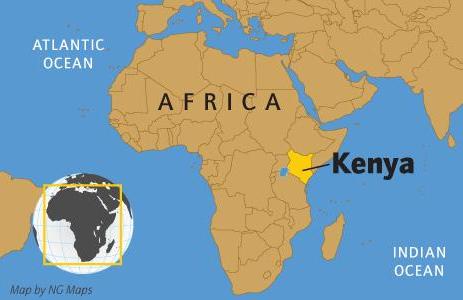
The pharmaceutical industry in Kenya is growing at a rapid pace and offers excellent opportunities for exporters and manufacturers to establish their products and services in the lucrative market for pharmaceuticals in East Africa. Kenya is currently the largest producer of pharmaceutical products in the Common Market for Eastern and Southern Africa (COMESA) region, supplying about 50% of the regions’ market. Kenya’s prescription pharmaceuticals market is worth over $500 million and is expected to grow at a compound annual growth rate (CAGR) of 11.8% till 2020. Prescription drugs account for around 78% of the market. However, the fastest growth in the coming years is expected in the over-the-counter (OTC) product sales. The pharmaceutical industry in Kenya consists of three segments namely the manufacturers, distributors and retailers. All these play a major role in supporting the country’s health sector, which is estimated to have about 5,000 health facilities countrywide. The number of companies engaged in manufacturing and distributionof pharmaceutical products in Kenya continue to expand, driven by the Government’s efforts to promote local and foreign investment in the sector. There are about 700 registered wholesale and 1,300 retail dealers in Kenya, manned by registered pharmacists and pharmaceutical technologists. These pharmacies are accorded a 25% mark-up on retail drugs. The pharmaceutical sector in Kenya is also engaged in assembling capsules, disposable syringes, paracetamol, and surgical gauze amongst others. Kenya spends about 8% of its GDP on health. The Kenya Medical Suppliers Agency (KEMSA), a division of the Ministry of Health, largely carries out the distribution of pharmaceutical products in Kenya. It distributes drugs to government public health facilities and private health facilities. The health sector in Kenya is one of the sectors that has experienced remarkable development in the recent years. The country has made great efforts in controlling diseases like Malaria, TB and Cholera while actively fighting the AIDS/HIV pandemic. Similar efforts have been made in controlling communicable diseases like poliomyelitis, neonatal tetanus and measles. The targets for eradication of the guinea worm disease and elimination of lymphatic filariasis and leprosy have been attained. Other parasitic diseases of epidemiological concern such as schistosomiasis, helminthiasis and leishmaniasis are seriously being addressed. The market is heavily dependent on the private clientele, and affordability remains a primary restraint, together with low reimbursement rates. Kenya also enjoys preferential access to the regional market under a number of special access and duty reduction programmes related to the East African Community (EAC) and the Common Market for Eastern and Southern Africa (COMESA) among others. Increasingly, urban consumers constitute Kenya’s primary market segment, while private hospital pharmacies remain the principal vendors within the market’s urban sector. Pharmaceutical Manufacturing Companies in Kenya: Alpha Medical Manufacturers – Nairobi Aventis Pasteur SA East Africa – Nairobi Bayer East Africa Limited – Nairobi Beta Healthcare (Shelys Pharmaceuticals) – Nairobi Cosmos Limited – Nairobi Dawa Pharmaceuticals Limited – Nairobi Didy Pharmaceutical – Nairobi Diversey Lever – Nairobi Eli-Lilly (Suisse) SA – Nairobi Elys Chemical Industries Ltd – Nairobi Glaxo SmithKline – Nairobi High Chem East Africa Ltd – Nairobi Ivee Aqua EPZ Limited – Athi River Mac’s Pharmaceutical Ltd – Nairobi Manhar Brothers (Kenya) Ltd – Nairobi Novartis Rhone Poulenic Ltd – Nairobi Novelty Manufacturers Ltd – Nairobi Pfizer Corp (Agency) – Nairobi Pharmaceutical Manufacturing Co (K) Ltd – Nairobi Pharmaceutical Products Limited – Nairobi Phillips Pharmaceuticals Limited – Nairobi Regal Pharmaceutical Ltd – Nairobi Universal Pharmaceutical Limited – Nairobi Cardiovascular, diabetes and anti-infectives constitute the largest and fastest-growing prescription market segments, and GlaxoSmithKline (GSK) is reported to be Kenya’s leading pharmaceutical supplier, with around 12% market share. This is primarily due to the fact that the company reduced the prices of key products by approximately 40% a few years back. Around 41% of all anti-infective products sold in pharmacies were licensed to GlaxoSmithKline. GlaxoSmithKline has been able to garner a substantial share of Kenya’s pharmaceutical market largely due to the popularity of its anti-infectives, which account for approximately 42% of all revenues generated in the prescription sector. The prices of Amoxil (amoxicillin) 500mg, Suprapen (amoxicillin plus flucloxacillin) 500mg and Floxapen (flucloxacillin) 500mg are particularly competitive within the respective active ingredient classes Cardiovascular is Kenya’s most dominant and fastest-growing prescription market segment, worth around $40 million in 2017 and expected to show a CAGR of 15.4% to 2019, while the diabetes market was valued at approximately $35.2 million last year and is forecast to rise at a CAGR of 13.5% during 2010-2019. Based on revenue segmentation, the top-selling cardiovascular product in Kenya was Nebilit [nebivolol) 5mg, licensed to Menarini, accounting for approximately 7% of revenues for all prescription products sold. And within the diabetes therapeutic segment, Merck Serono’s Glucophage (metformin) 500mg was the most popular product, based on volume segmentation, accounting for approximately 19.8% of all oral hypoglycaemic tablets sold. Kenyan private consumers’ prefer branded innovator products, despite the high penetration of generic manufacturers within the overall industry. A critical success factor within the Kenyan market is the use of distributors with established networks with key vendor outlets. Investment Opportunities in Kenya’s Pharmaceuticals Industry Opportunities for investment in the health/pharmaceutical sector in Kenya include: ? Manufacture of disposable surgical gloves, latex gloves and condoms. Commercial processing of traditional medicines, considering the diverse flora available in the country. ? Multipurpose chemical plant for bulk production of intermediate inputs such as paracetamol, aspirin, etc. ? Processing of locally available sugar, salt (sodium chloride) and ethanol to pharmaceutical grade for pharmaceutical industry use. ? Chemical plant to manufacture anti tuberculosis, anti-leprosy, antibiotic rifampicin from the penultimate state. ? Manufacture of Quinine by extraction from Cinchona bark and subsequent purification and synthesis to Quinine sulphate. ? Extraction of Hecogenin from sisal waste and synthesis of Betamethasone from Hecogenin. Manufacture of medical supplies e.g. syringes, catheters, gauzes, etc,and medical equipment for the regional market. Prospects for the pharmaceutical industry in Kenya? Export of high quality products ?Increased quantity of production Expand product portfolio and intensify the search for new markets and marketing opportunities Support for medical research Kenya’s Pharmaceutical Industry 15 Ensure strict adherence to the national code of conduct and the industry’s code of practice. Importers Database: Importers of Pharmaceuticals in Africa The research team at Africa Business Pages has compiled a valuable database of pharmaceutical companies in Africa through painstaking work across more than 20 African countries. The result is the compilation of the first even Africa Pharmaceutical Directory which lists more than 6,500 pharmaceutical companies in Africa. This database of pharmaceutical-related companies in Africa lists wholesalers of pharmaceuticals in Africa, pharmacies in Africa, pharmaceutical retailers in Africa, hospital suppliers in Africa, Pharmaceuticals Distributors, Clinics & Hospitals, Government Medical Clinics, Medical Institutes as well Manufacturers of Pharmaceuticals in Africa. The Africa Pharmaceutical Directory is available for download here. Companies and exporters of pharmaceuticals from across the world have been using this database of pharmaceutical companies in Africa to reach potential buyers in Africa of pharmaceuticals and connect with importers of pharmaceuticals in Africa. This Directory contains the latest and complete information about your potential business partners in several cities across Africa. Listings of Top Companies Dealing in Pharmaceuticals In MS Excel format Classified under different Trade Categories Up-to-date database of tyre dealers in Africa The database is well organised in an Excel sheet and the sortable fields include: Company Name, Address, Phone, Fax, Email, Website, Business Category.

Nigeria is one of the most promising and rapidly growing pharmaceutical markets in West Africa with more than 150 pharma formulation manufacturing facilities. The Nigerian pharma industry is growing at 13 % annually. The estimated market size is $1.8billion. In the ECOWAS (Economic Community of West African States) West Africa sub-region approximately 60% of drug manufacturing takes place in Nigeria, underlining the huge sub regional market. As Africa’s largest economy, most highly populated country, and biggest consumer market, Nigeria has been hailed as the next frontier for pharma after South Africa and the hotspots of Northern Africa. As more people join the ranks of the middle classes, household consumption is expected to grow by $94 billion over the next ten years. As out-of-pocket spending accounts for the bulk of healthcare expenditure, growth in consumption should translate into higher healthcare spending. The Federal Government of Nigeria are incentivising Nigerian drug manufacturers with tax holidays to support extra investment for quality upgrades and new factories. Nigeria’s pharmaceutical manufacturing sector has remained focused on the growth and expansion of drug manufacturing within the country. The sector has invested $300 billion in machinery and quality upgrades as a way to end drug importation. The Economic Community of West African States (ECOWAS), such as Ghana, Ivory Coast and Cameroon has 300 million consumers, with combined GDP of $734.8bn and annual growth rate of 6.3%. Nigeria and Ghana provide strong business opportunities for big pharmaceutical and generic pharmaceutical companies because the tropical climate in which Nigeria and Ghana are situated makes the areas a hotbed for infectious diseases, particularly malaria, tuberculosis and AIDS among numerous others. With a combined revenue base estimated to reach $3.12 billion in 2018 from $1.63 billion in 2003 at a compound growth rate of 13.39 per cent, the pharmaceutical industry in Nigeria and Ghana is very promising for investors. Counterfeits and Parallel Imports Plague Nigeria’s Pharma Industry In Nigeria’s predominantly informal distribution and retail networks, counterfeit and parallel medicines are often difficult to distinguish from the genuine article. Estimates suggest that informal retail accounts for more than three-quarters of the value of the pharma market, and parallel imports for up to half of drugs sold in some TAs. Several generics companies that have no commercial activities registered in Nigeria still have statin variants that are widely distributed and sold there, for instance. With a population of 180 million currently, the largest in Africa and abundance of human and natural resources, investment in the Nigerian pharmaceutical industry has a high potential of succeeding faster than any other country in the region. Besides, the estimated population increase to 200 million by 2020 according to recent forecasts means that the disease burden of the country will increase and consequently escalate demand for pharmaceutical products. Africa Pharmaceutical Directory: Reach Importers of Pharmaceutical in Africa The research team at Africa Business Pages has compiled a valuable database of pharmaceutical companies in Africa through painstaking work across more than 20 African countries. The result is the compilation of the first even Africa Pharmaceutical Directory which lists more than 6,500 pharmaceutical companies in Africa. This database of pharmaceutical-related companies in Africa lists wholesalers of pharmaceuticals in Africa, pharmacies in Africa, pharmaceutical retailers in Africa, hospital suppliers in Africa, Pharmaceuticals Distributors, Clinics & Hospitals, Government Medical Clinics, Medical Institutes as well Manufacturers of Pharmaceuticals in Africa. The Africa Pharmaceutical Directory is available for download here. Companies and exporters of pharmaceuticals from across the world have been using this database of pharmaceutical companies in Africa to reach potential buyers in Africa of pharmaceuticals and connect with importers of pharmaceuticals in Africa. This Directory contains the latest and complete information about your potential business partners in several cities across Africa. Listings of Top Companies Dealing in Pharmaceuticals In MS Excel format Classified under different Trade Categories Up-to-date database of tyre dealers in Africa The database is well organised in an Excel sheet and the sortable fields include: Company Name, Address, Phone, Fax, Email, Website, Business Category.
The research team at Africa Business Pages has compiled a valuable database of pharmaceutical companies in Africa through painstaking work across more than 20 African countries. The result is the compilation of the first ever Africa Pharmaceutical Directory which lists more than 6,500 pharmaceutical companies in Africa. This database of pharmaceutical-related companies in Africa lists wholesalers of pharmaceuticals in Africa, pharmacies in Africa, pharmaceutical retailers in Africa, hospital suppliers in Africa, Pharmaceuticals Distributors, Clinics & Hospitals, Government Medical Clinics, Medical Institutes as well Manufacturers of Pharmaceuticals in Africa. The Africa Pharmaceutical Directory is available for download here. Companies and exporters of pharmaceuticals from across the world have been using this database of pharmaceutical companies in Africa to reach potential buyers in Africa of pharmaceuticals and connect with importers of pharmaceuticals in Africa. This Directory contains the latest and complete information about your potential business partners in several cities across Africa. Listings of Top Companies Dealing in Pharmaceuticals In MS Excel format Classified under different Trade Categories Up-to-date database of tyre dealers in Africa The database is well organised in an Excel sheet and the sortable fields include: Company Name, Address, Phone, Fax, Email, Website, Business Category.
Preliminary request for participation in the trade show
place
calendar_today
Preliminary request for visitor registration
Visitor Registration
place
calendar_today