Michelin ties up with CFAO to boost tyre sales in East Africa
folder_open Automobiles Sector , East Africa
Michelin Tyres is targeting Africa to further consolidate its sales and distribution network in East Africa and has partnered with CFAO, a renowned distributor of industrial products with outlets and distribution networks all across Africa. The joint venture between Michelin Tyres and CFAO will oversee the import and distribution of high-quality tyres in Kenya and Uganda. A new company has been formed specially for this joint venture in which Michelin holds a 49 percent share and the remaining 51 percent are with CFAO. Administration of the new entity will be divided equally between Michelin Tyres and CFAO. The new company will supply tyres for both heavy duty as well as smaller vehicles. This will depend largely on the business relationships built by Michelin over the years. “With growth rates of 4.5 per cent for Uganda and 5.5 per cent for Kenya in 2017, these markets are very dynamic,” adds Richard Bielle, chairman and chief executive officer of CFAO. “As a result, they are of interest to the biggest players in the global industry. CFAO’s alliance with Michelin illustrates our know-how on the continent – providing our partners with immediate solutions to develop markets and to offer consumers high quality products and services.” This new development is just another case of Michelin's objective of acquiring a stake in the distribution channels of its closest competitors. One of Michelin's acquisitions Ihle Holding AG has also been used in the acquisitions of German-based whole sellers.They have also entered into a 50-50 partnership with Nex Tyres SL in a wholesale joint venture in Spain. The company announced another identical venture earlier this year in North America with Sumitomo Corporation to tap the markets in the US and Mexico. Tyre sales in East Africa have been rising over the years and have made East Africa an attractive market for tyre dealers, manufacturers and stockists. many tyre dealers in Dubai have been actively supplying all kinds of tyres, tubes and batteries to the East African markets like Kenya, Uganda, Tanzania, Rwanda, Burundi, Ethiopia and Sudan. As demand for tyres increases in East Africa, more and more multi-nationals are expected to enter the fray and expand their sales and distribution networks by appointing agents and distributors for their products.

Nairobi to Have Flying Taxis
folder_open Articles , Automobiles Sector
Last year Uber promised flying taxis in several cities by 2020. But the company will be relying on variety of partners to provide the actual vehicles and systems required to have a working flying taxi service in a city. The cars will be efficient in fuel use, safe and no noise compared to helicopters. McFly, the company that intends to introduce the service in Kenya will use an initial production cost worth $120,000 per vehicle. However, that is expected to reduce to $30,000 once they start producing in bulk. The trip will cost $8 per minute. But pricing will depend on grid’s load. Passengers will be picked up at the nearest helipad or heliport and dropped at the nearest pad to their destination, and will take a 5-10-minute walk at either end. US-based tech firms Facebook and Uber have also requested permission from Kenya's aviation regulator to test drone activities following legalisation of the Unmanned Aerial Vehicles (UAVs). The Kenya Civil Aviation Authority (KCAA) says the tech giants have shown interest in use of drones in the country following adoption of regulations to guide operation of the devices. The move makes Kenya the third country on the continent after Rwanda and South Africa to have a legal framework in place for the remotely controlled aircraft. Meanwhile, at least 19 companies are also working on flying taxis. Amongst them are big names like Airbus and Boeing (who have completed initial flight tests of an electric unmanned cargo aerial vehicle prototype), as well as small startups like Kitty Hawk, owned by Google founder Larry Page. Dallas, Dubai and Los Angeles are the first three cities where Uber plans to launch a pilot service by 2020. Uber has signed a Space Act Agreement with NASA to create a brand-new air traffic control system. Dubai's Road and Transport Authority (RTA) hopes that airborne taxi services will make up a quarter of all transport in the city by 2030 and Singapore is also investing in flying, driverless drones to resolve traffic problems. Introducing flying taxi services in cities will be a complicated and cumbersome task, but given the rising traffic problems in urban areas all across the world, flying cars and taxis seem to the only viable solution.
The evolving and rising nature of crimes in Africa have seen many people relying on contemporary and effective ways to monitor their businesses, homes and events. Over the years, it has become evident that man guards, the most popular response to crime in many African countries have become inadequate, and newer ways are being sought to ensure a combination of electronics support to enhance the effectiveness of Man Guarding on the back of technology in creating solutions around different risk equation and demands for safety. This explains an increasing demand in African countries for electronic security, which is the use of technology and electronic devices to provide safety and security for lives, assets, and businesses, by preventing and unauthorized access to restricted premises, critical assets, and sensitive data. This is done, leveraging on contemporary electronic security systems, intrusion & panic sensors and alarms, electronic access control systems, and CCTV/Video surveillance systems and analytics. A case in point is the Nigerian market which has responded positively to the electronic security market. In Nigeria, many private individual commercial establishments and government bodies are now investing on improving the quality of safety. A major factor contributing to these improvements are the wave of terror, kidnapping, some basic regulations being implemented in some sensitive sectors like FSI, Manufacturing and Oil & Gas. In fact, security systems are also now adopted as a strong basics for quality certification. Commercial establishments have also adopted security systems/programs as a strategic value proposition. Security in the face of the optimism, the market is still faced with a major challenge of premature and poor infrastructure, like power, physical development and in proper planning and legislation. Influence of technology and the growth trend Since the creation of the ear-piercing burglar alarm systems, profound level of fear amongst the public and a demand for more cost effective and efficient measure has increased demand for electronic security. The advent of the Internet of Things (IoT) has simplified the approach and made technology a critical factor in combatting the risk management deficient in every society. Technology is therefore a critical enabler in creating a sustainable Security management framework. The developed society today have invested billions of dollars in cities counties, states communities, critical infrastructure, real estate sectors on electronic security systems such as CCTV surveillance systems, access control and other security and surveillance equipment and gadgets. Africa is still way behind in this regard. But few discerning countries like Nigeria, Kenya, South Africa are beginning to take steps in the right direction. The system integration capability in electronic security has tremendously helped law enforcement in several African countries in apprehending criminals and law breakers. Most evidences produced through the platform has proven reliable. As it is, the global Electronic Security System market is characterized by various factors. The United State of America is considered to be the largest market followed by Europe, Asia, Middle East and Africa and is expected to be worth US$80 billion by 2020. It is envisaged that there will be a huge demand in CCTV and Video Surveillance and critical need to restrict unauthorized access due to the rising global insecurity which is considered to be borderless. Also, knowing that the African market is still evolving towards a one-dimensional strategy, which is why the market is not growing at the appreciable ratio. After South Africa, Nigeria is the second largest market of video surveillance systems in the Sub-Saharan region and is expected to grow at an annual growth rate of 5.3 percent from till 2022. It is expected that the market for civil security technologies in Kenya and Tanzania will also register robust growth in the future. Industrial growth and the increase of urbanization in both countries open up additional market potentials for the use of security technologies. Both in the commercial and public sectors the demand for high-tech video and alarm systems, electronic access control and specialty equipment especially will be on a high level. In addition, the threat of terrorist attacks plays a significant role. Fields of application of electronic security technology are strategically important facilities, such as airports, railway stations or other urban infrastructure.

Construction Industry in Africa Bounces Back
folder_open Articles
The face of the African construction industry is changing. Construction projects on the continent are getting bigger and more complex. According to recent reports, this is owing to rapid urbanisation, strong economic growth, a rising middle class and regional integration in many of Africa’s 54 nations. All make for the ever-increasing demand in Africa’s construction industry, as big infrastructure projects get under way on the continent. This development leaves industry stakeholders with a lot of questions on how to best secure funding for a project, what is needed for successful project management, what projects have priority and how to access the African market place? Construction costs will rise due to materials and labour One of the most common concerns industry experts cited is the escalating cost of doing business. With rising building material and labour costs, firms will likely struggle to maintain their margins in the coming year. Contractors have been expecting an impending bump in building material costs after several years of relatively flat growth. The Associated Builders and Contractors called the most recent decline in material prices “the calm before the storm.” On the labour side, the skilled-worker shortage has led to employers raising average pay higher than the national average. Experts say that increasing workforce costs — which include recruiting and wage costs for current employees — will cut into contractors’ bottom lines. Most Africa countries spent a lot of money in the construction related projects in the last couple of years and growth of over 5% in the construction industry is expected in the next two years. Demand for Green Cement in Africa The global market for green cement is expected to grow to US$38.1 billion by 2024 from US$14.8 billion in 2015. Green cement reduces the carbon footprint of construction activities through the substitution of cementitious industrial wastes, such as fly ash from coal-fired power plants and slag from the steel and iron processing industry, as a replacement for traditional cement. Demand for green cement in Africa will provide an increasingly lucrative market over the next few years due to growing trends in sustainability and energy efficiency for both buildings and infrastructure. The coming years will witness an increase in demand from local African marketplaces for more sustainable products in the local built environment. Kenya: A Booming Construction Industry Currently, Kenya’s construction industry is going through boom. The government has invested heavily in the construction sector of Kenya in order to improve the infrastructure such as road networks, and at the same time provide new residencies for the locals (who are being supported by the banks to get loan to buy apartments/cars). According to the Kenya National Bureau of Statistics, the real estate and construction sectors continues to be some of the key drivers of economic growth in Kenya for the last five years. The Kenyan construction industry contributes 7 percent of the gross domestic product (GDP), which makes it clear that Kenya has a well-developed construction industry. With an increase in population, opportunities exist in the construction of residential, commercial and industrial buildings, including prefabricated low-cost housing. The economic outlook of the country indicates that the construction industry presents one of the key areas that would, and is, attracting investors to the country. Extensive opportunities for investment exists particularly in the area of upgrading slums and informal settlements, urban renewal, construction of middle and low income housing, and the manufacture and supply of building materials and components. Infrastructure development is a central pillar of Kenya's Vision 2030 and in 2015 the US$3bn construction sector contributed 4.8% to the Kenyan economy. The Economic Survey 2016 published by the Kenyan National Bureau of Statistics (KNBS) reported that approximately 148,000 people are formally employed in the domestic building and construction industry. Players operating in the sector range from indigenous micro-enterprises to foreign multinational civil engineering and construction giants. Although building and construction contractors are required to be registered with the National Construction Authority (NCA), a significant number of unregistered contractors operate in the informal sector. Kenya has the highest literacy rate in Africa and the workforce is well known for being educated and hard working. One advantage for foreign investors is that everyone speaks the common language English. This makes it easy for new people to understand and quickly adapt to the new country. Therefore, Kenya serves as a good starting point to begin business in Africa due its positive growing economy, natural reserves & a strong workforce who can easily be communicated with. A recent study by BMI Research shows that the local construction industry will grow by 8.7 per cent this year and remain steady up until 2026 with an annual growth of 6.2 per cent – which will see Kenya outperforming all Sub-Saharan countries. Kenya’s construction market is poised for significant expansion between 2018 and 2026. Significant support for the sector will stem from the Kenyan budget, backed by foreign investment into the country’s planned infrastructure development. Nigeria's Construction Industry Following a difficult 2016 the Nigerian construction sector showed signs of stronger growth from the first half of 2017 onwards. The uptick in activity comes on the back of a low base, however, as the country’s first recession in 25 years affected private investment in real estate building and oil companies had to scale back investment plans due to lower global oil prices. The stabilisation of the naira, the utilisation of new contract structures and an increase in local suppliers are now helping to provide fertile ground for activity. Local content, in particular, is playing a larger role in the market, with domestic companies active as both standalone contractors and as subcontractors for foreign firms. While public sector tenders – which have traditionally been the source of major works – remain limited compared to the booming years of the 2000s, the increase of private development in the residential and commercial building segments offers promise. Nigeria is often highlighted as one of the most attractive markets in Africa for construction works. In West Africa, of the nearly $120bn committed to infrastructure spending across 92 projects, 61% is earmarked for plans in Nigeria. The country currently has 68 major building projects with a total capital expenditure of approximately $73billionn, second only to South Africa on the entire African continent. Given the size of the Nigerian economy and traditional spend of other African states, however, these figures mask a historical underspend in gross fixed capital formation (GFCF), a category that includes infrastructure projects and land improvements. An average GFCF of 30% of GDP is considered optimal for creating a growth-conducive environment, but in recent years Nigeria has spent just 11.9% of GDP compared to a sub-Saharan Africa average of 21.5%. Ethiopia, the continental leader, spent an average of 32.8% of its GDP on infrastructure over the last decade.

• Africa has emerged as world's fastest growing economic regions over past 2 decades • Pharma industry of Africa projected 9.8% annual growth rate between 2010 & 2020 • Africa market will be worth USD 40 billion to USD 65 billion by 2020 • Africa GDP rising to USD 3.9 Trillion by 2020 • New Regulatory Agency & efforts to augment economic growth, will positively contribute to growing pharma sector & attract foreign investments • In many African countries, generic drugs are gaining market share at the expense of over-the-counter and branded products The pharmaceuticals market in Africa is expected to reach a business opportunity of $45 billion in 2020, propelled by a convergence of changing economic profiles, rapid urbanisation, increased healthcare spending and investment, and increasing incidence of chronic lifestyle diseases. The value of Africa’s pharmaceutical industry jumped to $20.8 billion in 2013 from just $4.7 billion a decade earlier. That growth is continuing at a rapid pace and it is predicted that the market will be worth $40 billion to $65 billion by 2020. That’s good news for multinationals and pharmaceutical companies seeking new sources of growth as developed markets stagnate. It’s also good news for patients, who have gained access to medicines previously unavailable on the continent. The tropical climate of Africa makes the continent the largest reservoir of infectious diseases, particularly malaria, tuberculosis (TB), and acquired immune deficiency syndrome (AIDS), besides frequent outbreaks of polio, meningitis, cholera, pandemic influenza, yellow fever, measles, hepatitis, and tetanus. With the increasing adoption of Western lifestyle in Africa, there has been a paradigm shift in the burden of illness towards non-communicable diseases (NCDs), driving the demand for chronic prescription drugs. While continuing to suffer from infectious and parasitic illness, lifestyle diseases such as cardiovascular diseases, diabetes, and cancer will witness high growth rates throughout the forecast period. The World Health Organisation predicts that the proportional contribution of NCDs to the healthcare burden in Africa will rise by 21% through 2030. What’s driving growth of the pharmaceutical industry in Africa? Africa’s pharmaceutical markets are growing in every sector. Between 2013 and 2020, prescription drugs are forecast to grow at a compound annual growth rate of 6 percent, generics at 9 percent, over-the-counter medicines at 6 percent, and medical devices at 11 percent. Three factors are driving this growth: • Rapid Urbanization. Africa’s population is undergoing a massive shift. By 2025, two-fifths of economic growth will come from 30 cities of two million people or more; 22 of these cities will have GDP in excess of $20 billion. Cities enjoy better logistics infrastructures and healthcare capabilities, and urban households have more purchasing power and are quicker to adopt modern medicines. • Healthcare Infrastructure. Between 2005 and 2012, Africa added 70,000 new hospital beds, 16,000 doctors, and 60,000 nurses. Healthcare provision is becoming more efficient through initiatives such as Mozambique’s switch to specialist nurse anesthetists and South Africa’s use of nurses to initiate antiretroviral drug therapy. The introduction of innovative delivery models is increasing capacity still further. • Africa's Changing Business Environment. To create a more supportive environment for business, governments have introduced price controls and import restrictions to encourage domestic drug manufacture; required country-specific labeling to reduce counterfeiting and parallel imports; and tightened laws on import, wholesale, and retail margins. In the pharma industry, meanwhile, pharmacy chains are consolidating, horizontal and vertical integration is on the rise, and manufacturing is expanding. A flurry of mergers and acquisitions, joint ventures, strategic alliances, partnerships, and private-equity deals are further extending Africa’s markets. The Growing Market for Pharmaceutical in Africa Africa is in a transition phase, on its way to achieving adherence to global standards, such as the WHO pre-qualification for manufacturing. Local production is regarded as a key strategy for sustained access to quality-assured medicines for the long term. The regulatory environment for manufacturing in regions such as East Africa seems to grow rapidly, owing to regional harmonisation. Healthcare coverage is expected to expand to a greater proportion of the population through National Health Insurance (NHI) initiatives, as well as through memberships with private health insurance providers, particularly among the emerging middle class. South Africa remains as the best established region for pharmaceutical manufacturing in sub-Saharan Africa. However, the local manufacturing markets in East and West Africa are relatively well developed and positioned to grow. A bulk of Africa-based pharmaceutical companies that are developing medicines have simple formulations and mixtures, which are easy to do. Technology transfer is paramount to developing the manufacturing sector in Africa, particularly as the disease burden is changing. There is a paradigm shift coming from the lower end to the higher end of adoption of complex formulations, in line with treatment guidelines, especially in HIV and AIDS and NCDs. In a world of slowing and stagnating markets, Africa represents perhaps the last geographic frontier where genuinely high growth is still achievable. Early movers can take these four steps to pursue competitive advantage: The African Market Africa is not one unified market, but 54 distinct ones, with wide gaps between countries in terms of their market size, growth trajectory, macroeconomic landscape, legal structure, and political complexities. Over the past decade, ten countries have delivered more than two-thirds of Africa’s GDP and cumulative growth.1 However, much of the opportunity lies not at country level, but in cities. In fact, our analysis shows that 37 percent of African consumers are concentrated in 30 cities, which will have more consuming households than Australia and the Netherlands combined by 2025. Generic Medicines Gaining Popularity in African Markets In many African countries, generic drugs are gaining market share at the expense of over-the-counter and branded products. In South Africa, Egypt, Algeria, Morocco, Nigeria, and Kenya, generics grew at an average CAGR of 22.3 percent between 2004 and 2011, considerably faster than the 13.4 percent for pharmaceuticals as a whole. This trend looks set to continue. Between 2010 and 2014, generics’ share of the market grew from 22 to 25 percent in Algeria, for instance, and from 23 to 28 percent in Morocco. Several factors are responsible for this shift. First, physicians and pharmacists are getting used to prescribing generic drugs. Second, as national insurance programs expand and more people gain access to health care, demand for generics will rise at the expense of costlier branded drugs. Third, many governments are showing strong support for generics. For instance, South Africa requires pharmacists to inform private patients about generic alternatives when they purchase prescription drugs; Nigeria has a similar law; and Morocco aims to increase generics sales to 70 percent of publicly funded pharmaceuticals How to Penetrate the African Market Real talent is key and requires investment in big, effective local marketing and sales teams. That means hiring more pharmacy representatives, building teams’ technical skills, and selecting and developing strong local managers to lead them. Sales teams also should be set up in a flexible way that enables them to be responsive to the needs of local markets. Forge partnerships with African Companies Global pharmaceutical companies need local business partners – manufacturers, packaging companies, and distributors – to help them navigate the continent’s many markets, with their widely varying consumer preferences, price points, manufacturing, and distribution infrastructures. In the absence of a pan-African pharma regulatory body, they also need to invest in local partnerships to understand varying regulatory environments. Partnerships with governments are equally important, whether they involve working with medical opinion leaders to guide research priorities and secure funding, or collaborating with health ministries and nongovernmental organizations to provide public-awareness campaigns, health screening, treatment, equipment, and training for hospitals and clinics. Johnson & Johnson, for example, has partnered with the South African government to introduce an education program for maternal, newborn, and child health that operates via mobile-phone messaging. Distribution Channels in Africa In parts of Africa, supply and distribution mechanisms still pose challenges: regulations are evolving, transport and logistics infrastructures are patchy, and lead times can be long. The ability to innovate the distribution channel and set up effective operations against this challenging backdrop is critical to capturing growth opportunities. Helpful strategies include locating fixed assets in countries with well-established political and business structures, outsourcing supply chains to third-party operators, and partnering with local logistics providers to identify efficient transport routes. In the key area of customs and border control, companies should work with the most reliable agents to minimize shipping delays, use only bonded distribution centers, and ensure all customs paperwork is airtight. Exporting to African Markets In a world of slowing and stagnating markets, Africa represents the last geographic frontier where high growth is still achievable. As ever, the key to success lies in understanding individual markets in granular detail. Early movers with the right approach should be able to capture competitive advantage. Africa will continue to grow for the foreseeable future. Now is the time for drug companies to decide whether they want to be part of that growth and, more important, play an active role in improving public health. Often in the past, those on the continent who require medication have not been able to afford it because it is too expensive, while distribution networks have been limited because suppliers know that the market for selling their products at a commercial rate is limited. Yet the economics of pharmaceutical production are changing. For many years, pharmaceutical companies sought to maintain fairly high prices for their products wherever they were sold, but that system has been greatly eroded for key drug classes, including for the anti-retrovirals used to treat people living with HIV-Aids. Manufacturing costs, including the price of the raw materials, often comprise a very small proportion of the total cost of medicines, with the lion’s share often absorbed by research and development (R&D). As a result, identical copies of many pharmaceuticals, known as generics, can be produced at very low cost. Indian firms in particular have been able to fill this niche, as Delhi greatly reduced patent protection in 1970, allowing Indian firms to reverse-engineer many medicines. Global pharmaceutical companies have repeatedly challenged this process through legal action but the generic manufacturers have won a number of high-profile victories, including on the supply of drugs to Africa that combat many of the continent’s biggest killers, including HIV-Aids, and the same process is likely to occur with the distribution of anti-retrovirals. Africa Business Pages has compiled a special directory that lists importers of pharmaceutical products. The Africa Pharmaceutical Directory is updated every six months and is available for download here. The AfDB believes: “Africa’s pharmaceutical industry is the fastest growing in the world”. It is generally reckoned that the pharmaceutical market will be worth $40-$60bn a year by 2020 and the African pharmaceutical market growth presents a ‘win-win’ for companies and patients.

The halal beauty market has already taken off in the Middle East and Asia, but now it’s set to become established in the West. Therefore, there is an opportunity for natural and organic brands to easily adjust their ingredients and production methods to meet halal certification. The worldwide halal cosmetics market is estimated to grow at a CAGR of 6.0% between 2018 and 2026. The market is projected to witness significant growth over the forecast period, primarily due to the growing Muslim population across the globe. In addition, the growing population of absolute vegans worldwide is acting as another driver propelling the halal cosmetics market growth. The term "halal," as it applies to cosmetics, simply means products that have been manufactured, produced and composed of ingredients permissible under Islamic Sharia law. Other ingredients are deemed "haram," meaning their consumption is forbidden. While cosmetics are usually applied topically, the skin is the body's largest and most absorptive organ — as Gwyneth Paltrow and other advocates of natural beauty products would be the first to remind you — so it's plausible that users still consume ingredients indirectly. Hence, many religious Muslims seek alternatives to mainstream makeup brands. Rise of the Mipster Theresa Yee, Beauty Editor for trend forecaster WGSN, says the Muslim hipster, or ‘Mipster’, is a growing demographic. These consumers are looking for brands that don’t compromise on their faith or religion while finding products that fit into their 21st century lifestyles. She adds: “As Halal beauty products are formulated with natural ingredients and are vegan and vegetarian-friendly, there is potential for brands to reach out to non- Muslim consumers as well as those who are interested in vegan and organic beauty products.” Nails Inc., for example, has produced a wash-off polish for daily prayer. Halal nail polish has already become a big seller. Muslim women have to perform ablution before praying five times a day, and it’s unanimously agreed upon that water must touch the surface of the nail for the ritual to be done completely. Therefore, water/oxygen permeable nail polish allows for women to don their favourite mani and still observe a compulsory pillar of their faith. According to a recent report by Grand View Research, the global halal cosmetics market was valued at 16.32 billion USD in 2015 and it's expected to reach 52.02 billion USD by 2025. Why the sudden uptick? The halal market isn't trying to be the next health craze boasting the latest and greatest; rather, it's filling a void in the industry for which there was always a demand. Muslims comprise more than 23 percent of the global population, according to a Pew Research Center estimate, and younger generations are emerging as conscious consumers. Their purchasing power has merely amplified the demand for a developing halal market and, as a result, companies are being pushed to diversify their product offerings. They're therefore now more than ever obliged to comply with halal certification requirements that are increasingly necessary to export to certain countries — so a lot more labels are being disseminated. "The demand has always been there worldwide, especially in Muslim countries," says Safia Ghanim, technical auditor and manager of the ISWA Halal Certification Department at the USA Halal Chamber of Commerce, Inc. "Halal isn't another trend. For Muslims, Islam is our way of life, which includes consuming and using Halal products." Opportunities ahead Amarjit Sahota, founder of Ecovia Intelligence (formerly Organic Monitor) told Cosmetics Business: “A small number of brands are catering to this growing segment by developing cosmetics that are certified natural/organic and halal.” Examples include the UK’s Saaf Skincare and the UAE’s SCO, which is considering seeking halal certification. “Our products are made with certified organic ingredients, do not contain alcohol or animal byproducts and are tested on willing humans, so we fit into both categories. Therefore, it makes sense for us to go for a halal certification,” says founder of Shirley Conlon Organics (SCO). Halal certification explained The Halal Cosmetics Company, created by Salma Chaudhry under the brand Halalcosco, is first halal certified brand to launch in a major supermarket chain in the UK. Halalcosco’s range, including skin care and cleansing products, was launched exclusively in Asda stores in May 2017. Salma Chaudhry, the owner of Halalcosco, was named Entrepreneur of the Year at the Fusion Awards in 2013. She will be at this year’s Cosmetic Business Regulatory Summit presenting an overview of the regulatory parameters for halal certification.
Ethiopia has adopted a new system to tackle trade under-invoicing that costs the country an estimated $2 billion every year. Ethiopia Customs and Revenue Authority has linked its new Customs database to global price makers which updates itself automatically. The new system will help detect cases where importers under-invoice the value of their goods in order to reduce their import duties. “We are also identifying the major importers in the country for close follow-up by our intelligence unit. We also have a plan to pay up to 10 per cent of the recovered tax money to members of the public who inform us of tax fraud,” said Sisay Bikaru, director of Ethiopia Customs and Revenue Authority (ERCA). According to reports, Ethiopia loses $1.97 billion every year through trade under-invoicing, and a further $630 million every year through illicit financial flows. The losses constitute five to 10 per cent of the country’s GDP. Uganda, Tanzania and DR Congo lose about $720 million, $480 million and $225 million annually to illicit flows. In Africa, South Africa is ranked top at $20.9 billion lost through illicit flows annually, followed by Nigeria at $17.8 billion, Morocco at $4.1 billion, Egypt at $3.9 billion, Zambia at $2.8 billion and Cote d’Ivoire at $2.3 billion. Ethiopia’s tax to GDP ratio stands at 13 per cent, compared with 15 per cent for sub-Saharan Africa. According to recent reports developing countries lose $85 billion a year through trade under-invoicing, with China losing the most through illicit financial flows.

The 43-year-old tyre manufacturing firm, General Tyre East Africa (GTEA) will soon be revived following the Tanzania government decision to place it under the state-owned National Development Corporation, which will team up with the National Social Security Fund in the process. According to Zitto Kabwe, the chairman of the Parastatal Organisations Accounts Committee, the government stands to lose $20 million if the company is declared bankrupt and will have to pay $28 million to acquire shares of Continental AG. “It is a wise decision for the government to revive since it means job retention and creation and will also be a source of revenue for the government,” said Kabwe, adding that: “It is vital for the government to revive other companies which are under-performing and those that are about to be declared bankrupt for the sake of the country’s economic future.” Kabwe also noted that Tanzania needs to have its own manufacturing industries to stimulate the economy and provide for the needs and wants of the local and international market as well. In the early 1970s to the late 1980s, GTEA was one of the largest tyre maker in East Africa with a production capacity of about 1,000 tyres a day, supplying to the eastern and central African market. The company was established in 1969 under a partnership between the Tanzania government and General Tyre USA before it sold its shares to Continental AG of German. Continental AG acquired 38 per cent stake in the company in the mid 1990s leaving the government with a majority shareholding at 62 per cent. Information shows that productivity at the factory started to decline at the end of the 1990s when imported and second-hand tyres flooded the domestic market. In the year 2005, the firm acquired a loan of about $10 million from NSSF under the guarantee of the government to revitalise the factory but it failed to do so. The debt is said to have appreciated to $14 million due to accumulated interests. GTEA stopped production in 2007 when Continental AG demanded yet another $2 million loan from the government, which turned down the request. Minister for Industry and Trade, Cyril Chami says that Continental AG has apparently refused to discuss with the government on the way forward. “The government cannot therefore let the property remain idle. We have to bring the plant back to operation,” he said. “NSSF will acquire shares in GTEA as part of compensation for $10 million loan it advanced to the company in 2005,” said Dr Chami. TANZANIA'S TYRE MARKET Tanzania is in talks with six multinational companies over plans for a joint venture to revive General Tyre East Africa, the giant tyre manufacturing plant in Arusha. The state-run National Development Corporation (NDC) said that three Asian corporations and another three from America, Europe and Africa have approached the government, seeking a partnership to revive General Tyre, which used to supply tyres throughout East and Central Africa. “We are finalising our due diligence and talks to end a troubled partnership with Continental AG of Germany in a bid to transfer the General Tyre assets to NDC. After that, we will negotiate with prospective companies,” SAID NDC’s acting director of heavy industry Ramson Mwilangali. Continental AG, with 26 per cent shares, has since 2006 been embroiled in a dispute with the government over a poor supply chain and low production levels, which resulted in the closure of the company in 2009, locking out about 400 workers. In July 2008, the firm petitioned the Tanzania government, which owns 74 per cent of General Tyre, for a renewal of the contract. But reports said it failed to outline a concrete business plan on how to make General Tyre profitable. Continental AG was asked to explain how General Tyre’s debts amounting to $20 million by December 2008 would be settled. But Continental AG demanded to be paid an outstanding debt of $3.321 million. Records show that before its closure in 2009, the factory’s capacity was 320,000 tyres per annum. The firm is expected to employ nearly 400 workers and produce 1,000 quality, heavy-duty tyres a day. This means that, without interruptions, the plant could produce 250,000 tyres a year, earning the country $63 million if an average price per tyre is $250. General Tyre will first supply tyres for all government vehicles before it markets to the private sector in the country and in East Africa. Tanzania, East Africa’s second largest economy, has seen vehicle imports increase by nearly 70 per cent in a single year. Official government data, which does not include government, police, army and donor-funded vehicles, shows that 67 per cent of registered vehicles were light passenger vehicles with a carrying capacity of less than 12 passengers. The revival of General Tyre offers a much-needed alternative not only for the country, but also for East Africa in general, which imports the bulk of its tyres from China, Japan, India and Dubai. Many African countries prefer importing low-priced Chinese tyres rather than the expensive European and American brands. Gasper Mpehongwa, a lecturer at Tumaini University, said the revival of General Tyre will create competition for Sameer Africa Ltd — the only East African tyre manufacturer — leading to better quality at lower prices. Former General Tyre sales manager Phillip Mweta said the EAC tyre market is huge and even having two local manufacturers will not satisfy it. The state is preparing to pump in over $20 million to breathe life into the defunct General Tyre East Africa, whose production lines stalled in 2009 due to, among other factors, importation of cheap tyres. Chinese tyres The revival of General Tyre offers a quick fix, not only for the country, but also for East Africa in general, which imports the bulk of its tyres from China, Japan, India and Dubai. The cheap imports have been blamed for the increase in road accidents. In Tanzania, traffic police reports show that road accidents claimed the lives of 3,582 people last year. During the same period, over 1,000 bus passengers accounting for 18 per cent of the total deaths also perished. Police reports blame most of these road accidents on tyre bursts. Chinese tyres are gaining popularity in several African markets. Many African countries are price-sensitive markets and prefer to import low-priced Chinese tyres rather than the expensive European and American brands. As a result, China has emerged as a leading exporter of tyres to African countries like Tanzania. Analysts say most illegally imported tyres have a quality problem emanating from storage; some are poorly stored in hot godowns for months, which seriously compromises quality.

Ethiopia's Automotive Industry
folder_open Articles , East Africa
Ethiopia is among Africa’s most impressive growth performers over the past decade averaging 10.9% annual growth between 2010 and 2020. With a GDP of US$91 billion in 2019 it is among the top ten largest economies in Africa and the third largest in Eastern Africa. After Nigeria, the country is also home to the continent’s second largest population of 95 million people. Undoubtedly, Ethiopia is a relatively untapped investment opportunity in Eastern Africa especially in the manufacturing sector. Ethiopia’s automotive market is dominated by second-hand imported vehicles – particularly commercial vehicles. Commercial vehicles were Ethiopia’s second most valuable import overall in 2019, worth US$955 million. On the other hand, commercial vehicles are also Ethiopia’s highest earning automotive export. This can largely be attributed to Bishoftu Automotive Industry (BAI), an automotive manufacturing and assembly company run by the Ethiopian military. BAI specialises in assembling, upgrading, overhauling and localising buses, pick-ups, SUVs, trucks and military equipment such as tanks and armoured personnel carriers (APCs). Military vehicles are largely for the use of the Ethiopian military and African Union peacekeeping missions while civilian vehicles are supplied to local customers such as state-owned transport providers. Small quantities of commercial vehicles have been exported to neighbouring Somaliland. Increasing Numbers Ethiopia has the lowest motorisation rate globally, with only two cars per 1,000 inhabitants. Recent reports estimate that in 2019 there were 175,000 vehicles in use in Ethiopia, of which 100,000 were passenger vehicles and 65,000 were commercial vehicles. Between 2010 and 2020, total vehicles in use grew at a CAGR of almost 2.1%. According to Ethiopia’s Ministry of Transport approximately 84% of the market is passenger vehicles while commercial vehicles make up 16%. Second-hand vehicles in Ethiopia tend to appreciate in value due to high import duties and limited supply of vehicles. As a result, second-hand vehicles dominate the market. Approximately 85% of vehicles are second-hand imports, of which almost 90% are Toyotas.These vehicles are imported primarily from the Gulf States, through the Port of Djibouti. Automotive Sales Although there is almost no publicly available reliable data on vehicle sales in Ethiopia. It is however estimated that 18,000 vehicles are brought into Ethiopia each year. The majority of these are second-hand vehicles. Each year, 2,000 new Toyotas and between 5,000 and 7,000 used Toyotas are imported. Clearly, Toyota controls approximately 65% of the total market (new and second-hand) due to its reputation as being reliable and inexpensive to maintain. The main drivers of new commercial vehicle sales are construction, agri-business and retail while passenger vehicle sales are driven by government (including diplomatic corps) purchases. Vehicle affordability is further locked up by prohibitively high vehicle taxes of sometimes more than 220% depending on engine size. As taxes in Ethiopia are cumulative, excise tax is calculated on the customs duty, surtax is charged on top of the excise tax, and customs duty and final VAT is calculated once the surtax, excise tax and customs duty have been added. Imported vehicles may cost as much as three times the retail price of the vehicle outside of the country. Commercial vehicles, such as pick-ups, vans and trucks, have a lower tax rate than vehicles for personal use. Relative disincentives exist vis-à-vis personal vehicles compared to commercial vehicles. Diplomats and foreign investors are allowed to import vehicles duty-free. The supply-depressing character of foreign exchange shortages contributes to imbalances in the market and drives up the market price of vehicles, thus also having a negative impact on the affordability of vehicles in the Ethiopian market. Production and Assembly The Ethiopian Investment Commission (EIC) reports that 31 foreign vehicle investment projects (largely Chinese projects but also someinvolvement of European companies) and 73 domestic vehicle assembly investment projects have been licensed since 1998. This means that a total of 104 companies have been licensed for vehicle assembly in the country over the past two decades. However, only a few of these are operational, with the vast majority licensed at the pre-implementation stage. During the past decade, a number of leading international automotive companies have carried out market scoping exercises to assess the viability of Ethiopia as an assembly hub. However, due to the limited market size, large-scale investments by these automotive firms have not yet materialised. Although a number of assemblers source some components such as tyres locally, Ethiopia has no defined local content requirement. A number of assemblers indicated that they are instructed that local content should be approximately 30% in order to qualify for the 30% tax incentive associated with all local manufacturing, but that no written agreement exists between assemblers and the state. Due to Ethiopia’s tax system, which subjects vehicles to tax depending on their engine size rather than age or origin, it is often cheaper to import a second-hand vehicle with a smaller engine size than it is to assemble a vehicle locally, despite import taxes on these vehicles. Despite being home to the continent’s second largest population, the overall automotive market size remains small in the short to medium term for current and prospective assemblers and producers. However, Ethiopia’s strong government support for industrialisation and the development of auxiliary industries coupled with a large cost competitive labour pool, and sizeable investments in infrastructure (both physical and economic) could position the country favourably for automotive manufacturing in the long term to service both the regional and domestic market with price competitive vehicles. To achieve this, clear definitions of local content need to be developed. The country’s high tax rates on vehicles reduce the affordability of vehicles, especially given the low income of the population, and restrains the vehicle retail market. To address this, industry stakeholders should support the establishment of vehicle financing solutions, in order to encourage wider vehicle ownership. Taxes should be revised to also take the age of vehicles into account in order to provide incentives for locally produced vehicles.
Morocco Automotive Industry Growing Fast
folder_open Articles
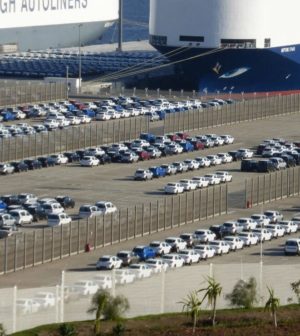
Before the end of next year, Morocco officials hope to announce the name of a third global automaker to build an assembly plant there. The unnamed manufacturer would launch production in the North African kingdom in 2021 or 2022, according to Khalid Qalam, senior adviser with Invest in Morocco. That third player would join Renault, which has two factories in Morocco, and PSA Group, which will begin building cars near the coastal city of Kenitra in 2019. But Morocco has even bigger plans for the industry. The country is working to recruit a fourth major automaker plant before the end of 2021, Qalam says, with production starting in 2023 or 2024. A fourth project would help the country reach its stated goal of having the capacity to build 1 million vehicles a year by 2025. “At that level, we believe Morocco will rank among the top 15 vehicle-producing countries in the world, and quite possibility even enter the top 10,” Qalam said. Officials are mindful of the shifting nature of global technologies, he adds. Morocco is encouraging its next vehicle manufacturer to produce a platform that allows it to manufacture both electrified vehicles and conventional models. Morocco’s pitch to world automakers is that it offers a low-cost base to produce models for export to Europe. But to help make EV production more attractive, Morocco will be providing consumer incentives to get local buyers to consider switching to models that fully or partially run on battery power. By 2025, Morocco wants annual sales of electrified vehicles to rise to 70,000 to 100,000 from small numbers today. The move to electrified transportation coincides with Morocco’s aim to become a major producer of solar power and to cover half of the country’s energy needs from alternatives such the sun, wind and biomass. The average wage in Morocco is less than 400 euros ($450) a year, compared to 2,000 euros just across the Mediterranean in Spain. The tax rate on companies is 0 percent for the first five years, and businesses are given a big break on value added tax. The country’s Tangier Med Port is already capable of processing 1 million vehicles a year. In addition, a high-speed rail line between Tangier and Casablanca is set to be operational in 2018. Africa Automotive Directory The research team at Auto Parts Africa has compiled a valuable database of automotive companies in Africa through painstaking work across more than 20 African countries. The result is the compilation of the first even Africa Automotive Directory which lists more than 17,000 automotive companies in Africa. This database of automotive-related companies in Africa lists wholesalers of automotive parts in Africa, auto parts dealers in Africa, auto parts retailers in Africa, auto parts suppliers in Africa, auto parts distributors, garages & service stations, Government Bodies, Automotive Associations as well manufacturers of auto parts in Africa. The Africa Automotive Directory is available for download here. Companies and exporters of auto parts from across the world have been using this database of automotive companies in Africa to reach potential buyers in Africa of auto parts and connect with importers of auto parts in Africa. This Directory contains the latest and complete information about your potential business partners in several cities across Africa. Listings of Top Companies Dealing in Auto Parts In MS Excel format Classified under different Trade Categories Up-to-date database of tyre dealers in Africa The database is well organised in an Excel sheet and the sortable fields include: Company Name, Address, Phone, Fax, Email, Website, Business Category.
Preliminary request for participation in the trade show
place
calendar_today
Preliminary request for visitor registration
Visitor Registration
place
calendar_today