

At the start of a new decade, Emirates SkyCargo, the freight division of Emirates, is geared up to facilitate global trade and cargo movement in 2020 and beyond through a combination of innovative product development and investment in ‘fit for purpose’ infrastructure. “The global air cargo industry witnessed what was a very challenging year in 2019. Economic uncertainty, tensions in global trade and unrest in key markets negatively impacted cargo volumes. However, the tough market conditions were an opportunity for us to review our core offering to our customers and ensure that we remained market leaders with our specialised product offering, superior capabilities and infrastructure as well as our agility in responding to customer demand,” said Nabil Sultan, Emirates Divisional Senior Vice President, Cargo. “The outlook for 2020 is more positive with the air cargo industry set to post a modest recovery thanks to improved economic activity and trade growth. With our commitment to ‘deliver as promised’ backed by a global network covering over 155 destinations centred in Dubai, our modern fleet of all wide-body aircraft and our state of the art Emirates SkyCentral terminals, Emirates SkyCargo is well positioned to support trade and economic growth in line with the Dubai Silk Road Project. With Expo 2020 Dubai also set to kick off in October 2020, we will see a surge in movement of goods to and from Dubai and we are working with our partners to provide specialised air freight services for this once in a lifetime event,” he added. Specialised Products In 2019, Emirates SkyCargo continued to roll out specialised products catered for specific industry verticals. Emirates Delivers is a new e-commerce platform that enables consumers, both individuals and small businesses, to purchase products from any US based online retail store and have it delivered in the UAE. Emirates Delivers is part of Emirates SkyCargo’s broader strategy to promote Dubai as an e-commerce fulfilment hub for customers based in the Middle East, Asia and Europe. In 2020, the availability of Emirates Delivers will be expanded to more markets. Other products from the Emirates SkyCargo portfolio showed a strong performance despite challenging market conditions. More than 400,000 tonnes of perishables were flown on Emirates’ flights under Emirates Fresh, Emirates SkyCargo’s specialised product for perishables. In November and December of 2019, the carrier operated nine charter flights from Santiago, Chile uniquely for carrying cherries. Close to 11,000 high-priority shipments were moved across six continents under the Emirates AOG product during 2019. Year-on-year Increase of 6% in the volume of high value goods that were flown under Emirates Safe VAL, Emirates SkyCargo’s product for transportation of precious goods. A 12% increase in demand for Emirates Pets, Emirates SkyCargo’s product for transportation of domestic cats and dogs. Emirates Charter In addition to its scheduled passenger and freighter flights, Emirates SkyCargo offers customisable and flexible charter solutions to its global customers. With a responsive and agile team that works to meet customer requirements and set up operations within a short time frame, the carrier has been able to operate close to 370 charters during 2019. Charter operations have helped transport a wide variety of cargo from relief materials for natural disasters and equipment for music concerts to flowers and other perishables. Fit-for-purpose infrastructure and capabilities In 2019, Emirates SkyCargo unveiled a new handling facility dedicated for pharmaceutical cargo at Chicago airport, one of the most important pharma stations for Emirates SkyCargo across the world. The facility features temperature controlled zones for acceptance and delivery, pharma cargo build up and break down, storage and direct ramp access and is also certified under EU GDP guidelines. In November 2019, Emirates SkyCargo moved its pharma handling operations at Copenhagen airport to a dedicated GDP certified facility. Both initiatives are part of the carrier’s objective to offer enhanced protection for pharmaceutical cargo, not just at the Dubai hub, but from origin to destination under the pharma corridors programme. During 2019, Emirates SkyCargo worked with ground handlers at key pharma origin and destination cities across the world to expand the number of pharma stations from 12 to 25. With its focus on improved capabilities and process benchmarks through collaboration, the implementation of Emirates SkyCargo’s pharma corridors programme has resulted in an increase in the volume of pharma cargo handled across the carrier’s pharma stations. For example, since the launch of the new facility, Chicago has seen a double digit growth in the volume of pharma cargo transported. Operations In 2019, Emirates SkyCargo’s SkyCentral terminals in Dubai handled an average four pieces of cargo every second of every hour on a 24*7 basis. Over 700 staff on duty at any time of the day helped process around 360,000 individual packages daily through these terminals enabling Emirates’ fleet of over 270 aircraft move approximately 7,000 tonnes of cargo every day, the equivalent of more than 60 full Boeing 777 freighters, between Dubai and the rest of the world. A fleet of 49 trucks, including 12 refrigerated trucks, made an average 175 trips daily in 2019 to connect the two cargo terminals. Acting as a seamless conveyor belt between the two cargo terminals, the trucking system helped connect cargo from touchdown in one airport to take-off at another airport and vice versa in under five hours. Overall, more than 307,000 tonnes of cargo were transferred by the trucking system between the two airports in 2019 and more than 1.6 million tonnes of cargo over the five years since the start of trucking operations in 2014. Delivering as Promised Emirates SkyCargo’s unwavering commitment to “Delivery as Promised” has since 2018, been reinforced by applying the Cargo iQ framework. Emirates SkyCargo has established a 24/7 operational Cargo Operations Control Centre (COCC) which monitors the progress of shipments across predetermined milestones from acceptance to delivery. In 2019, the carrier monitored over 1.5 million shipments using Cargo iQ guidelines ensuring that cargo having a direct impact on the lives of people around the world, was transported and delivered on time. About Emirates SkyCargo Emirates SkyCargo is the freight division of Emirates. With an unrivalled route network, we connect cargo customers to over 155 cities across six continents and operate in many of the world’s fastest developing markets. Our cargo hold capacity comprises Emirates’ fleet of over 265 aircraft, including 12 freighters – 11 Boeing 777-Fs and one B747F. During the last Financial Year (2018/19) Emirates SkyCargo carried 2.7 million tonnes of cargo. Emirates SkyCargo has developed transportation solutions for specific verticals including pharmaceuticals and perishables.

Exports from Dubai to Africa Grow
folder_open Business Outlook
Dubai has emerged as one of the leading supplier of goods and all kinds of consumer products to Africa. Shipping lines plying the Dubai-Africa route are experiencing a welcome rise in business with the coming of African bulk buyers during the last decade. Among the major destinations of UAE exports are Nigeria, Mauritania, Senegal, Gabon, Ghana and the Ivory Coast in West Africa, and Tanzania, Uganda and Kenya in East Africa. On an average, freight rates to Africa cost around $2,200 to $2,600 for a 20-foot container, which has a capacity of 21 tonnes. For a 40-foot container with a capacity of 26.5 tonnes, current rates are between $4,900 and $5,600. Certain trade sectors in Dubai have reported substantial increase in demand from African countries in recent years. A growing number of African buyers are travelling to Dubai to purchase a wide variety of goods and to make direct contacts with suppliers and manufacturers in the UAE. Dubai's Exports to Africa Dubai’s trade with Africa, estimated at $45 billion, has grown beyond its traditional trade partners in Africa like Egypt, Ethiopia, Kenya and Uganda to new and emerging markets like Nigeria, Angola, Benin, Cameroon, Mozambique, Tanzania, Eritrea and Ghana. According to recent study conducted by Africa Business Pages, exports from Dubai to Africa constitute 10 per cent of the emirates total trade. In recent years, Africa has emerged as the largest export market for Dubai wholesalers of consumer electronics and IT equipment. Dubai’s trading ties with Africa go back decades and the emirate has been trading with many African countries much before the discovery of oil and the formation of the UAE Federation. Traditional trade partners in those historic days used dhows trade with the ports of Zanzibar, Somalia, Kenya and Tanzania was once dominated by Arab traders. Somali cattle have been imported in the Gulf countries since historical times. So trade between Africa and Dubai has a long and illustrious history. Emirates Opens New Trade Corridors in Africa Emirates airline has also played an instrumental role in the improving bi-lateral trade between Africa and Dubai. By operating direct flights from Dubai into many African countries, Emirates airline has helped in building new trade routes in the African markets as well as contributing to the rise in African passenger traffic to Dubai. Africa-Dubai Trade Grows New and liberal economic policies adopted by many African countries have also attracted foreign investments in industrial and manufacturing projects - mainly in the several Export Processing Zones (EPZs) that have come up in countries like Kenya, Uganda and Tanzania in recent years. This has resulted in greater demand for capital goods, machinery and raw material – a demand that is being met by many Dubai-based enterprises. The growing demand for goods in Africa is clearly reflected in statistics. The improving economic and political situation in many East African countries has resulted in greater buying power for the average person in Africa and has in turn boosted demand for consumer goods. The surge in the number of African visitors is a new phenomenon, although Dubai has traditional links with East Africa. According to data available, from a mere 6,954 in 1984, the number of visitors from African countries shot up to over 100,000 now. Most of them came from Ethiopia, Kenya, Uganda, Nigeria, Cameroon and South Africa.
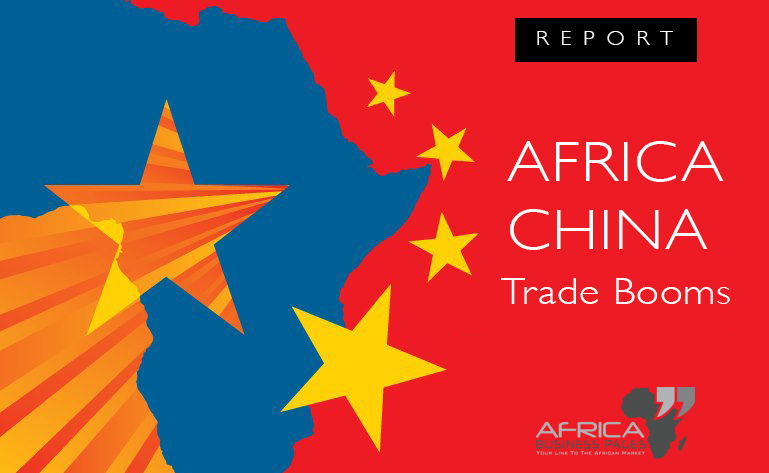
Chinese goods have been gaining increasing popularity in the African markets and Chinese companies are exporting in huge quantities of a wide variety of products directly into many African countries. In the last few years, China's trade with Africa has been growing with leaps and bounds, as has Chinese investments into several African nations. In 2018, China-Africa trade reached US$204.2 billion, up 20 percent year-on-year, and China has emerged as Africa's largest trading partner for 10 straight years. Price-sensitive markets in Africa are hungry for cheaper-priced Chinese goods. Wholesalers, traders and merchants in Africa have also been quick to meet the rising demand for Chinsese goods in Africa and are now sourcing a large portion of their requirements from China. Africans Buying from China By cutting out the middlemen and buying directly from Chinsese manufactures has also helped them increase profit margins. This trend of buying from China and selling locally and regionally is being repeated in almost all African countries and the result is clearly visible in almost all African markets that are now flooded with low-priced Chinese goods – whether it is tyres, automobile parts, stationery, perfumes, cosmetics, computer hardware, furniture or machinery, China has dominated the African markets in the last decade. The main products China exports to Africa are machinery and electronics, textile and apparel, hi-tech products and finished goods, while imports from Africa concentrate on crude oil, iron ore, cotton, diamond and other natural resources and primary goods. To help the countries in Africa expand exports, China has exempted import tariffs for certain commodities of these countries. China has announced the names of over 25 African countries that enjoy zero tariff treatment and special preferential tariff rate for exports of some 190 products to China, ranging from food, mineral product and textile, to machinery and electronics. In fact, Africa’s resource-rich nations are getting even more reliant on China for their exports. China imports from China include crude petroleum from Angola and South Sudan, zinc and copper ore from Eritrea, cobalt from DR Congo, raw tobacco from Zimbabwe, besides iron and titanium from Sierra Leone. China in Africa China has committed to set up a $10-billion special fund for development financing, showcasing a possible change from a resources-for-infrastructure model of financial engagement. These statistics clearly show the increased trading activity between Africa and China. Chinese companies, known for their marketing and business skills, have been reaping rich dividends by promoting their products and services in the new and emerging markets of Africa. China-US Rivalry in Africa The battle for political and economic influence between the U.S. and China is playing out across Africa, and Beijing’s growing presence is troubling Western policymakers, experts say. Africa has become the fastest urbanizing region on the planet, and China has placed itself at the infrastructural vanguard of the new frontier. Chinese firms have been most active in building ports, roads and railways that will underpin integration and trade between African nations — an intention most recently exemplified across the continent in the landmark African Continental Free Trade Agreement (AfCFTA). The AfCFTA recently launched its operational phase, and eventually intends to bring together all 55 African Union member states into the world’s largest free trade area, spanning 1.2 billion people. U.S.-Africa trade has dipped in recent years, while China is now Africa’s biggest trade partner. Between 2002 and 2008, following the signing of the African Growth and Opportunity Act (AGOA), which provided tariff-free access to 6,500 products for qualifying sub-Saharan countries, trade between the U.S. and Africa grew to $100 billion. China recently launched a $1 billion Belt and Road infrastructure fund for Africa, and last year delivered a whopping $60 billion African aid package, further consolidating its robust economic influence.

A large number of African businesses use Dubai as their supply source. As a result, traders, merchants, manufacturers is Dubai have been eager to attract African buyers and have been doing roaring business in the African markets. The reasons why African buyers throng to Dubai are many. To start with, the lack of a reliable and well established manufacturing base in many African regions has forced both, African businesses as well as consumers, to look for overseas suppliers to meet the rising demand for capital and consumer goods. Against this backdrop, Dubai presents itself as a convenient and affordable market to source all kinds of goods at affordable prices. Comprehensive Range of Products Dubai offers a comprehensive range of products and services from all across the world – this helps African buyers compare prices and quality of goods from all across the world while buying from Dubai and choose the best products to suit their needs. A well established chain of retailers in Dubai offer a wide selection of goods at affordable prices to African buyers. As African buyers are mostly "cash customers", merchants in Dubai are able to offer them attractive prices too and welcome business from buyers from Africa. As a result, the wholesale market in Dubai is very active in promoting re-exports to Africa and African buyers generally buy in bulk from suppliers in Dubai and then undertake retail selling in their own countries as well as neighbouring countries, at a very healthy profit. Traders from Kenya, for instance, have been buying from Dubai bulk quantities of low-priced tyres, batteries and spare parts and distributing the same to nearby countries of Rwanda, Burundi and the Democratic Republic of Congo. Bargain Deals This adds to the attraction for African buyers to Dubai who are looking for low-priced products that are in big demand in the price sensitive markets of Africa. Low import duties and direct supplies from manufacturers in the Far East and China have been responsible for keeping prices in Dubai lower than other markets in the region. Easy Availability of Goods Easy availability of goods in Dubai also attracts business people as well as consumers from Africa to Dubai's thriving markets and souqs. Dubai's geographical proximity to the African continent further adds to the lure. Shorter travel time, cheaper freight costs and easy availability of visa has helped Dubai attract a large number of African buyers to its shores. For instance, the cost of shipping a 40-foot container from China to Africa is approximately $ 2450 compared to just $920 from Dubai. Consolidation The biggest advantage in making their bulk purchases from the UAE, for African buyers, is that they can purchase just the quantities they require. While theoretically, it is possible for African buyers to source their supplies directly from manufacturers in the Far East, but, such orders would normally be for at least one container load, if not more. Most African buyers, on the other hand, do not require the merchandise in such large quantities and are more comfortable with sourcing smaller quantities of different commodities from Dubai, stuffing them into one or two containers and then shipping the goods to their African destinations. The fact that Dubai has excellent shipping connections means that African buyers can ship their purchases to literally any destination on the continent. Thus, not only do African businessmen have in Dubai the ideal location where they can find all their requirements in one city, but also have the means of transporting it back home very conveniently and cheaply. Price Sensitive Markets in Africa African markets are extremely price sensitive and most of the requirements originating from Africa are for low-priced goods. As a result, goods from China, Korea, Hong Kong and other Far Eastern countries have been more successful in African markets as compared to those from Europe and North Africa as they relatively lower priced. The decisive factor is that over the decades, Dubai has developed a substantial community of retailers, a sophisticated import system and substantial warehousing for stock. This has lead to the emergence of a keenly competitive market that ensures that prices in Dubai are as much as 10 to 15 per cent lower than in neighbouring markets. Dubai continues to be number one for buying anything from cosmetics to automobile spare parts and machinery. Africa Business Pages: Connecting Exporters in Dubai to Buyers in Africa With the emergence of Africa as one of the major re-export markets for the UAE, many Dubai-based exporters have begun concentrating their marketing efforts towards the ‘dark continent’. The AFRICA BUSINESS PAGES is one of the tools that is proof of how seriously Dubai businesses take the African market – most of the advertisers on this B2B portal are from Dubai – a testimonial to the importance attached to the African market by Dubai-based businesses. Africa Business Pages has also compiled a database of importers in Africa that has helped many international suppliers find buyers in the African markets. The Africa Importers Directories compiled by Africa Business Pages lists major importers, retailers, buyers and wholesalers in over 35 countries in Africa and is now available for direct download in Excel format at a nominal cost. This unique database of importers in Africa has helped international suppliers to establish direct B2B contacts with the business counterparts in Africa. Most suppliers use the database to conduct email marketing campaigns across several African markets while others use the list to send our their product brochures to their potential customers in Africa.
The Market for Furniture in Africa
folder_open Business Outlook
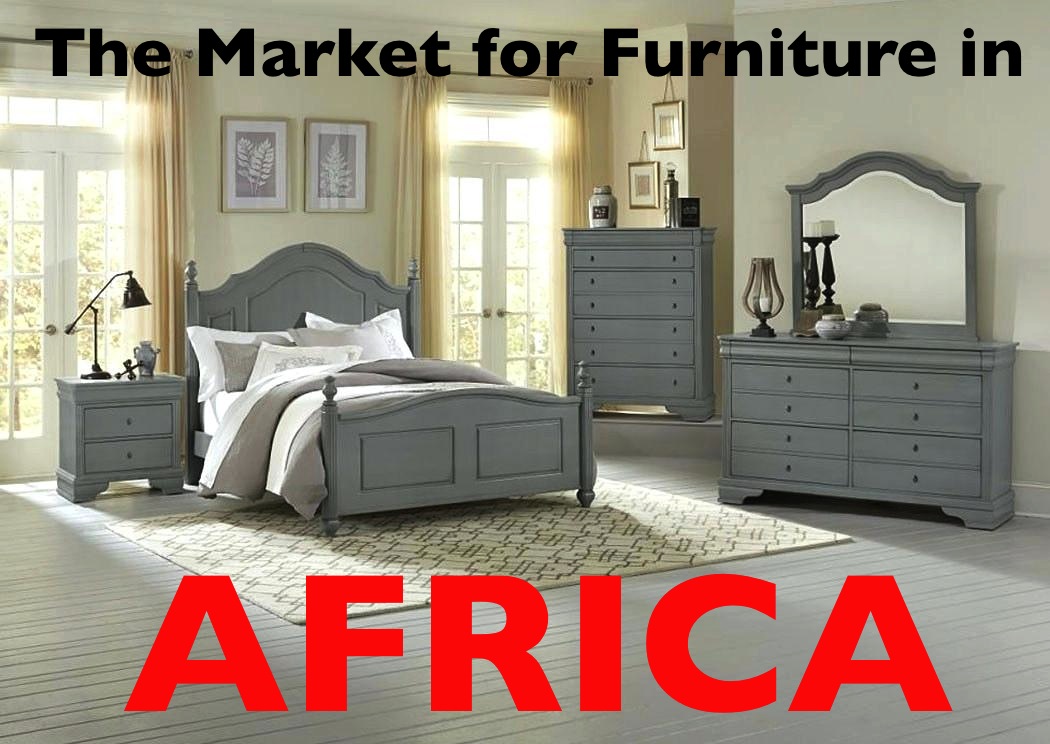
With the growing population in Africa demand for home and office furniture is simultaneously increasing. When people move into a new home, they need a bed to sleep on, wardrobes for their clothes, chairs, a dining table, sofas, kitchen cabinets and all kinds of furniture. Like households, offices also buy a lot of furniture too. African is fast emerging as an important market for furniture on a global scale. Total furniture imports into Africa amounted to more than US$ 5 billion in 2018. Ten main furniture importing African countries (each of them importing over US$ 100 million of furniture) are Angola, Morocco, Libya, Nigeria, Algeria, Kenya, Egypt, Ghana and Sudan. Furniture Market in Africa Africa is a huge pool of population, which is projected to expand and grow rapidly. By 2050, 2.4 billion more people are expected on the planet out of which 1.3 billion are expected to be born in Africa. The majority of the world’s population growth is expected to take place in Africa – making the continent one of the most attractive markets in the world. Africa’s rapidly growing urban population and their spending capacity, along with the growing economy are the primary reasons why furniture business is enjoying the best time of its life. Rapid Urbanisation in Africa Urbanisation process is expected to be very rapid, particularly in Sub Saharan Africa and large urban areas will be the frontiers of economic growth with important implications for the increase of furniture consumption. Despite political instability and relative poor infrastructure level in some areas, there is evidence of numerous urban centres, which offer potential for growth for the furniture market. These cities are increasingly diversifying their economy. In recent years, huge investments have been made in real estate, tourism and hospitality industry, culture and entertainment, which have boosted demand for the furniture sector. More and more number of people are moving to cities from villages, in order to seek better medical facilities, education, sanitation and employment opportunities.At the current rate of growth, more than 500 million Africans will move to cities by 2030. As the population in African cities and towns increases, this will naturally create a profound and genuine need for real estate; residential accommodation, office space, hotels and schools everywhere in Africa. Office buildings, hospitals, schools, luxury hotels, premium guest houses, residential apartments and societies, shopping malls and theatres are being constructed everywhere in African cities. As this trend of more people moving into new homes and establishing new business offices continues, furniture will be required. When new schools are built, desks and chairs will be needed. New hotels often require skillfully designed beds, stylish wardrobes and various other fixtures and fittings. Furniture Importers in Africa This is just a short glimpse of a rewarding business stream which is waiting to be explored. Several African countries have good potential for developing their furniture industry, both for internal consumption and for exports. The more promising prospects are in South Africa, Egypt, Morocco and Nigeria, but also Namibia, Tunisia, Kenya, Zimbabwe are possible candidates for a relevant expansion of their furniture production.The global economy is prophesized to grow by 2 to 3 percent between the years 2011- 2020. Africa is projected to grow approximately by 6%. The reason behind these projections is the rising middle class in the African cities. These people are the dwellers, who migrates from the rural areas and villages to the cities for employment prospects. This class includes salaried job holders, small and medium scale business owners. The sales for the imported custom made furniture has been increasing since the last 3 years. In order to start up furniture business in Africa, one should know the needs and demands of the customers being targeted. Some buyers are more concerned about beauty, quality and durability of the furniture, and will pay high prices to get furniture that meets these requirements. Some other buyers are highly influenced by cost and their choices are restricted to the price of the furniture. They will love to have beautiful and high quality furniture only if it can fit into their budget. Some customers prefer imported furniture and some prefer the local one. The key to succeed and make money is the ability to fulfill the needs and taste of buyers. Some of the countries like Nigeria, in order to develop the local furniture industry and to create the employment opportunities introduced a ban on the imported furniture. In countries like these, it is advisable to form joint- ventures with the local manufacturers. There are certain advantages which one could get in forming a collaboration with local manufacturers. It will provide you a platter of the information about the latest market trends, taste, opportunities and much more. Not much research and development would be required. Furthermore, setting up a business in a joint venture with local manufacturer would prove to be cost effective as compared to establishing one’s own enterprise. Export Furniture to Africa East Africa furniture market alone is estimated to be worth $1.2 billion. Kenya is rated as the dominant market in the East African region with furniture imports worth $89 million in 2018. South African Furniture Market South African manufacturing sales of furniture at current prices amounted to R16 billion in 2018. South Africa has a total of 2,200 registered companies in the furniture manufacturing sector, employing 26,400 people. During 2018, South Africa was Africa's second-largest furniture exporter, with exports reaching R4.2 billion. North Africa: Increasing Demand for Furniture Algeria is the largest consumer of furniture in North Africa, followed by Egypt and Morocco, with local manufacturers accounting for more than 68% of the furniture market. Egypt, Algeria, and Mauritania have very low market exposure. West Africa Nigeria is the largest consumer of furniture (a fast-growing market), followed by Ghana and Ivory Coast. In West Africa, local manufacturers account for more than 70% of the furniture market. Central Africa Consumption level for both home and office furniture is the lowest in Central Africa, with local manufacturers accounting for 64% of the furniture market. The largest consumer is the Democratic Republic of the Congo, followed by Cameroon and Gabon. East Africa Ethiopia is the largest consumer in the East Africa region, followed by Kenya, Tanzania, and Uganda. The fastest growing markets in the region are Ethiopia and Uganda. Southern Africa Africa’s second largest furniture market is the Southern Africa region. Local manufacturers account for 50% of the furniture market while the other 50% is mostly imported from various parts of the world. South Africa is the largest furniture import market, followed by Angola with broad growth prospects. North and Southern Africa import the most in Africa. Southern Africa accounted for the highest share of imported furniture consumption, accounting for 37%, while North Africa accounted for 30%. Nigeria: An Important Market for Furniture The Nigeria furniture market is a thriving one thanks to the government’s decision to place an embargo on the importation of furniture into the country. The goal of the decision to ban the importation was to protect the local industries involved in the manufacture of these furniture items and this has been of huge benefit. Although the finished products in Nigeria are yet to be at par with those from countries like Italy and Spain however it is clear that progress is being made in the industry. One of the advantages of local manufacturing of furniture is the low labour costs which enables these items compete on price with their foreign counterparts as the cost of labour, freight charges and the import duties often make them expensive. However, there is still more to be done in terms of empowering local manufacturers in the Nigerian furniture market as there are some foreign competitors with factories in the country. If this can be done, the quality of local furniture can be as good as that of their foreign counterparts. The bottom line is that the projected increase in the demand for home and office furniture in Africa is driving the growth of furniture industry in Africa. It’s the perfect time to invest in this booming sector! Africa Furniture Importers Directory Furniture importers in Africa have been buying ever increasing quantities of furniture from all across the world in order to meet the rising demand for both home and office furniture amongst African buyers. As local furniture manufacturers in Africa are not able to meet the rising demand for furniture, importers of furniture in Africa have been buying from overseas suppliers to meet the rising demand for furniture amongst African consumers. The Africa Furniture Importers Directory has been compiled with the sole purpose of promoting direct B2B contacts between African importers of furniture and global suppliers. The Africa Furniture Importers Directory provides exporters of furniture a comprehensive database of importers of furniture in Africa and helps them contact them directly. Online sales as well as email marketing has been playing an ever important role in promoting B2B contacts and generating sales leads – specially so in Africa where other forms of media and promotional tools are not as effective. The Africa Furniture Importers Directory can be downloaded now in Excel format for a nominal cost. Many furniture exporters and manufacturers have used the directory to contact their potential buyers in Africa, send them product catalogs via email, conduct email marketing campaigns to their target audience in Africa and develop direct contact with importers of furniture in over 35 African countries. By compiling a well researched list of furniture importers in Africa, the Africa Business Pages has proved once again that it has been leading the pack when it comes to direct B2B promotions in the African markets.

Rwanda Investment Showcase in Sharjah Spotlights Investment Opportunities
folder_open Business Outlook , East Africa
The Rwanda Investment Showcase held on 23rd April 2019 introduced the GCC investors and private sector to exciting investment opportunities and prospects in Rwanda, one of the top 10 fastest growing economies in the world. Yasmin Dalila Amri, Chargé D'affaires of the Rwandan Consulate, commented: “Rwanda is constantly expanding incentives for GCC businesses to invest across all economic sectors, including the recent introduction of a double taxation agreement.” Recent major investments in Rwanda include a $50 million commitment by UAE-based Sheikh Rakadh Group in the Rwanda Smart City Master Plan, a vision for tech-centred development that mirrors the values of the UAE’s own Vision 2030. During the event, Isaac Kwaku Fokuo Jr., Founder of Botho Group also highlighted the longstanding ties between East Africa and the UAE across cultural, historic, and economic lines. This legacy holds particular resonance for the Emirate of Sharjah, which first hosted the Arab-Africa symposium in 1976 in Africa Hall, known today as the Africa Institute. Panellists, including Sanjeev Gupta from the Africa Finance Corporation, Stuart Fleming from Enviroserve UAE, and Uday Bhasin from Tradeways Investment, each spoke of their positive experiences working in Rwanda. Gupta noted, “Rwanda’s strategic position allows investors to manoeuvre throughout the African continent with ease. Rwanda’s landlockedness is not an impediment – if anything, it’s a big advantage.” Rwanda is uniquely positioned as a member of two major regional economic blocs, the East African Community (EAC) and the Common Market for Eastern and Southern Africa (COMESA), which make Rwanda a gateway to a collective market of over 560 million people. H.E. Abdallah Sultan Al Owai, Chairman of the Sharjah Chamber of Commerce and Industry, echoed these sentiments during his opening remarks when he lauded the UAE's efforts to establish strong and fruitful trade relations with African countries. “The volume of non-oil trade between the UAE and Africa hit AED 140.5 billion ($38.3 billion),” he said. “The UAE is the second largest Middle Eastern investor in Africa with a 12% share of total foreign direct investment, which is on the rise. Rwanda is carving a niche for itself in the COMESA community, and has repeated that it is open for business time and time again - it's time we listen.” Today, Rwanda has attractive investment opportunities extending beyond agriculture, the country’s largest sector. The nation now has a thriving infrastructure and construction sector, with promising new opportunities in other dynamic sectors such as technology and education with considerable support from its government. Over 95% of the country is now covered by 4G, making it home to one of the fastest Internet speeds in Africa.
Airbnb is giving tough competition to Africa's overpriced hotels and has become a serious threat for the hotel industry in many African countries. Many hotel chains are putting pressure on African governments to regulate the world’s biggest accommodation-sharing site: Airbnb. Recently, South Africa’s hotel federation claimed that Airbnb was taking business away from registered hotels and eating into their profits and even went on to describ Airbnb as a “massive problem”. In countries like Kenya, Tanzania, and Namibia, governments have already brought in legislation to rope in the rising popularity of Airbnb. Kenya’s government is in talks with Airbnb to register all properties on the platform and start remitting taxes by July, 2019. In Tanzania, homeowners that our renting their properties through Airbnb have been ordered to register their facilities by September, 2019 or face arrest. The same thing happened in Namibia in 2017 – private home rentals with two or more bedrooms were ordered to register with the local tourism board. The restrictions from African governments reflects Airbnb’s rapid growth in Africa and the increased appetite from both local and international travelers to use the platform instead of overpriced hotels – especially in off-beat destinations that might not have established hotel outlets. These government moves also signal efforts by the local governments to retain the major share of tourism revenues, which form critical parts of the national gross budgets for many African countries. The fightback from the African hotel sector also comes as major hotel chains expand across the continent, looking to both bridge the scarcity of top-notch quality hotels and tap into the growing number of tourists and business travelers. Airbnb itself recently bought into the hotel sector by acquiring booking application HotelTonight, a crucial move as it gears for an initial public offering. The demands to rein in Airbnb is also symptomatic of the challenges facing global companies like Uber and Netflix in Africa, whose disruptive services have been accused of flouting local regulations, short-changing customers, and avoiding taxes. For instance, Africa’s dominant television service MultiChoice blames multinational streaming services for a loss of 100,000 subscribers, arguing also that Netflix and Amazon were able to rake in higher profits on lower subscription fees because they were not subject to local rules and taxation plans. South African Hotel Industry Protests The opposition in South Africa is especially worrying for Airbnb given how much success the company has had in the country. Five years of Airbnb listings brought $247 million to South Africa, with Cape Town as the most popular with over 17,000 listings. The accommodation association in the southeastern city of Port Elizabeth also complained of Airbnb’s growing influence, saying the platform made $430,000 in the city, a 65% increase from December 2017. Taking note of some of these complaints, South Africa amended its Tourism Bill to include “short-term rentals”– meaning once the bill becomes law, Airbnb listings will follow the same regulations as the rest of the hospitality industry, including being subject to the tourism board’s official grading system. Overpriced Hotel The tourists are happy though – finally there is an alternative to some of Africa's grossly overpriced hotels. By providing competition to hitherto unchallenged monopoly of the unfair rates demanded by many African hotels, Airbnb will contribute in the growth and development of the hotel industry across Africa. After all, competition breeds quality!

Boom Time for Africa's Aviation Industry
folder_open Articles , Business Outlook
Africa’s aviation industry is experiencing a boom time as the continent continues to increase airline frequency to the GCC and other destinations around the world. Undoubtedly, the potential for the aviation sector in Africa is immense as the African aviation industry continues to provide new opportunities for growth and expansion. The International Air Transport Association (IATA) projects that the African continent will become one of the fastest growing aviation regions within the next 20 years, with an average annual expansion rate of almost 5%. IATA predicts that Africa will become one of the fastest growing aviation regions in the world by 2040. Currently, there are 731 airports and 419 airlines on the African continent, with the aviation sector supporting around 7 million jobs and generating $80 billion in economic activity. In terms of passenger numbers, 47 million passengers departed from Africa’s top five airports, which included Cairo, Addis Ababa and Marrakesh in 2018, according to the latest ANKER report. “Emirates and Saudia were only responsible for 8 million of those passengers, highlighting the potential for new routes throughout the continent and between the Middle East and Africa. Furthermore, IATA reckons if just 12 key Africa countries opened their markets and increased connectivity, an extra 155,000 jobs and US$1.3 billion in annual GDP would be created in those countries. The international aviation industry has been monitoring developments in Africa closely, especially since the Single African Air Transport Market (SAATM) agreement was drawn up in January 2018. The aim of SAATM is to open up Africa’s skies, allowing airlines to fly between any two African cities without having to do so via their home hub airport, boosting intra-Africa trade and tourism as a result. To date, 28 countries out of 55 member states have signed up to SAATM representing over 80% of the existing aviation market in Africa. However, despite its rosy outlook, the sector still faces significant challenges, indeed, protectionist trends have resulted in a rather lacklustre response from many members, concerning competition rules, ownership and control, consumer rights, taxes and commercial viability. “These mechanics are integral to an open sky treaty and necessary to resolve existing differences between airlines and provide an equitable way forward. Sixteen countries in Africa are landlocked, so the pent-up demand for affordable air transport must be considerable,” said Karin Butot, CEO, The Airport Agency “These, as well as other salient issues, will no doubt be discussed at length between senior network planning teams and high-level executives representing the aviation and tourism industries, in Africa’s as well as the Middle East & Asia, through unlimited one-to-one pre-scheduled networking appointments,” added Butot.
Nigeria: Economic Recovery Will Open New Business Opportunities
folder_open Business Outlook , West Africa
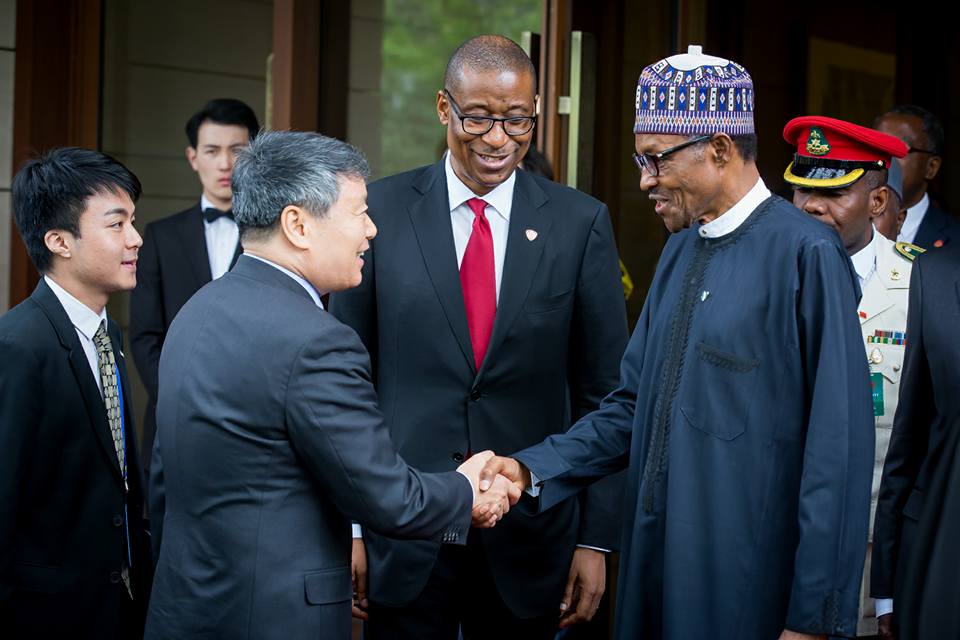
New economic measures adopted by the recently re-elected government of Muhammadu Buhari will try to expand Nigeria's economy away from oil income dependence and focus on consolidating Nigeria's manufacturing base – thereby opening new business opportunities for overseas suppliers and investors. Nigeria's population and gross domestic product is projected to reach 399 million people and cross $3.3 trillion by 2050. However, much needs to be done to bridge the gap between the reality of Africa’s largest economy and its undisputed potential. While Nigeria’s economy has performed much better in recent years than it did during previous boom-bust oil-price cycles, such as in the late 1970s or mid-1980s, oil prices continue to dominate the country’s growth pattern. Nigeria emerged from recession in 2017, with a growth rate of 0.8%, driven mainly by the oil sector. Growth was higher in 2018 (at 1.9%) and more broad-based; however, it still fell below the population growth rate, government projections and pre-recession levels. As Africa’s top oil producer, Nigeria is heavily reliant on crude, with the fuel accounting for 90 percent of foreign-currency earnings and two-thirds of government income. Without reforms to reduce its dependence on oil income, Nigeria risks “a lost decade” of flat economic growth. The country has recently held national elections in 2019, for the sixth consecutive time since its return to democracy in 1999. The incumbent president, Muhammadu Buhari won the elections and would be sworn in for a second term on May 29, 2019. Robust Economic Growth Nigeria’s economy grew in 2018 at its fastest pace since a recession two years earlier. Nigeria’s central bank expects the economy to pick up in 2019, forecasting a gross domestic product growth of 3 percent, up from 1.9 percent recorded last year. On the other hand, Nigeria continues to face massive developmental challenges, which include the need to reduce the dependency on oil and diversify the economy, address insufficient infrastructure, and build strong and effective institutions, as well as governance issues and public financial management systems. Nigeria accounts for nearly 20% of continental GDP and about 75% of the West Africa economy. Despite this dominance, its exports to rest of Africa are estimated at 12.7%, and only 3.7% of total trade is within the Economic Community of West African States. Nigeria has yet to ratify the Continental Free Trade Agreement, pending the outcome of broad consultations with captains of industry and other stakeholders. Large pockets of Nigeria’s population still live in poverty, without adequate access to basic services, and could benefit from more inclusive development policies. The lack of job opportunities is at the core of the high poverty levels, of regional inequality, and of social and political unrest in the country. Economic growth has been recovering since the third quarter of 2016, when the recession bottomed out. Higher oil prices helped Nigeria exit that contraction. Low oil prices will slow down growth in 2019, but the longer-term outlook depends heavily on how the government tackles the expansion of country's economy away from oil income. The World Bank had expected growth to be slightly less than 2 percent in 2019 as the elections kept foreign investors away. New Beginnings To its credit, the Nigerian government has secured the territorial integrity of the nation by reclaiming territory in the Northeast and has tackled big-ticket corruption, introducing and improving transparency and accountability in the management of public funds. Nigeria also committed to unprecedented investments to start and finish critical infrastructure projects in power, roads, and rail across the country, as well as direct investments in people to lift them up—the largest social investment program in Africa. Nigeria accounts for about 47% of West Africa’s population, and has one of the largest populations of youth in the world.

Zimbabwe’s new currency is expected to begin trading at around 2.5 to the U.S. dollar. A decade after Zimbabwe scrapped its own currency to end hyperinflation and began using mainly the USD, the economy is back in free fall. Fuel, medicines and other basics are hard to come by and less than 10 percent of the workforce is formally employed. The country has not had a local currency since 2009 when it abandoned the Zimbabwe dollar due to hyperinflation. To curb the inflation, Zimbabwe adopted a multi-currency system dominated by the US dollar. While the new currency regime initially helped stabilize prices, it also increased imports, curtailed exports and gave rise to a chronic shortage of banknotes. To fund government spending and help ease the liquidity crisis, the central bank printed bond notes theoretically pegged to the dollar, while most commercial transactions are conducted using an electronic currency known as RTGS$. This combination of parallel systems has resulted in a convoluted system of exchange rates, with consumers charged different prices depending on how they pay for purchases, and the cash scarcity has only worsened. Inflation in Zimbabwe In 1990, the inflation rate in Zimbabwe was 17 percent. The following year it jumped to 48 percent, and then continued to climb over the next 17 years. The government tried a number of different methods to control inflation, such as instituting price caps, outlawing the use of foreign currency, and printing new denominations. By the mid-2000s, inflation had increased to a rate so high that banknotes of Z$100,000,000 and higher were required for simple daily transactions. Zimbabwe devalued its currency three times in an attempt to control inflation. In 2006, it divided denominations by 1,000, striking three zeros from the currency. In 2008, it removed 10 zeros, and in 2009, it struck another 12 zeros from printed denominations. These three acts had the collective effect of making one new Zimbabwe dollar worth 10 trillion trillion old Zimbabwe dollars. Finally, the government gave up and stopped printing money altogether, allowing the economy to use a pastiche of foreign currencies. Central bank says electronic bank savings and locally printed ‘bond notes’ were no longer exchangeable one-to-one for the dollar. Zimbabwe abandoned its own currency in 2009 after it was wrecked by hyperinflation and adopted the greenback and other currencies, such as sterling and the South African rand.
Preliminary request for participation in the trade show
place
calendar_today
Preliminary request for visitor registration
Visitor Registration
place
calendar_today