
Dubai-based Al Muqarram Auto Spare Parts Trading (A-MAP) has launched ASIMCO PLUS batteries – its latest range of European automotive batteries that use CA 100 Technology to boost performance by using of calcium alloys. A-MAP unveiled the ASIMCO PLUS range on the first day of Automechanika Dubai, one of the leading automotive aftermarket exhibition. ASIMCO PLUS batteries have full frame optimised grid design that enhances the longevity of the battery life and the active material has been developed to endure the aggressive usage conditions in high heat environment of the Middle East region. Asimco Plus batteries are uniquely designed with a dedicated battery cover and include the latest Labyrinth System, Safety Caps, Flame Arrestors and central degassing which makes these batteries stronger, safer and more resistant to leaks and spills in demanding rough conditions. Available in a wide range to perfectly suit all kinds of motor vehicles, ASIMCO PLUS batteries are delivered filled and charged for a total maintenance free performance. Asimco is one of the main players in the automotive aftermarket and is highly recognized worldwide for its superior quality products since its establishment in 2001. Products under its portfolio include brake pads, brake shoes, fuel pumps, disc rotors and shock absorbers. Over the years, ASIMCO’s quality has supported strong growth in market share and is now sold in over 65 countries. A-MAP has expanded its comprehensive product range by obtaining the distribution rights of Asimco Batteries in the United Arab Emirates. ASIMCO PLUS batteries are manufactured in line with the highest quality standards and pass vigorous quality tests to ensure a hassle-free functioning. Today, most vehicles are ISS (Idle Start Stop) enabled. They run on AGM batteries that offer a notable performance improvement over conventional batteries. A-MAP aims to cater to this segment with their new brand, as ASIMCO PLUS batteries come equipped with AGM Technology which is ready for the modern vehicle with regenerative breaking and high energy demands,” said the company. Africa Business Pages is the media partner for the for A-MAP and promotes the company's products in new and emerging markets in Africa. You can contact A-MAP directly through their dedicated landing page HERE.

South Africa is wooing investors from the UAE to its attractive tourism sector by highlighting various investment opportunities in South Africa's travel and tourism industry. To this end, the South African Department of Tourism held a tourism investment seminar in Dubai to attract investors from the UAE. The seminar was part of an ongoing programme by the South African government to strengthen the investment ties between the UAE and South Africa, especially in the field of tourism. South Africa welcomed around 11 million tourism visitors in 2018, making it one of the most popular destinations on the continent. The tourism sector contributed three per cent to South African gross domestic product in 2018 and employs nearly 700,000 people. Headed by Shamilla Chettiar, Deputy Director-General, Destination Development, South African Department of Tourism, the 12-member delegation consisted of representatives from the Department of Tourism, provincial tourism promotion agency and the North West Tourism Board, South Africa’s Industrial Development Corporation, IDC, and project promoter, Incopho Coastal Resorts. During the investment seminar, guests were provided presentations and overviews regarding the marketing of South Africa as a tourist destination, detailed information regarding the investment landscape, opportunities and government support, as well as hearing first-hand experiences from a UAE investor in South Africa’s tourism industry. Private meetings were then held between potential investors and members of the South African delegation. "We are targeting the United Arab Emirates because of the high concentration of high-net-worth-individuals (HNI) with investable assets, as well as the growing outbound market from the Gulf region to South Africa," said Kenneth Siphelelo Hlela, Director of Tourism Investment Coordination at the South African Department of Tourism. "We are aware that to grow the UAE outbound market to South Africa, we need to develop products that respond to that market. Therefore, our planned investment mobilisation efforts are in line with the South African Tourism's marketing efforts in that region. We want to assure both investors and the South African travel industry that South Africa is doing everything to keep up with the demand through mobilising investors who will ensure that demand is matched by our supply," he said. “We want to assure both investors and the South African travel industry that the South Africa is doing everything to keep up with the demand through mobilising investors who will ensure that demand is matched by our supply,” he concluded. The South Africa government’s tourist agency plans to boost visitor numbers by over 40 percent by 2021.

Rwanda Investment Showcase in Sharjah Spotlights Investment Opportunities
folder_open Business Outlook , East Africa
The Rwanda Investment Showcase held on 23rd April 2019 introduced the GCC investors and private sector to exciting investment opportunities and prospects in Rwanda, one of the top 10 fastest growing economies in the world. Yasmin Dalila Amri, Chargé D'affaires of the Rwandan Consulate, commented: “Rwanda is constantly expanding incentives for GCC businesses to invest across all economic sectors, including the recent introduction of a double taxation agreement.” Recent major investments in Rwanda include a $50 million commitment by UAE-based Sheikh Rakadh Group in the Rwanda Smart City Master Plan, a vision for tech-centred development that mirrors the values of the UAE’s own Vision 2030. During the event, Isaac Kwaku Fokuo Jr., Founder of Botho Group also highlighted the longstanding ties between East Africa and the UAE across cultural, historic, and economic lines. This legacy holds particular resonance for the Emirate of Sharjah, which first hosted the Arab-Africa symposium in 1976 in Africa Hall, known today as the Africa Institute. Panellists, including Sanjeev Gupta from the Africa Finance Corporation, Stuart Fleming from Enviroserve UAE, and Uday Bhasin from Tradeways Investment, each spoke of their positive experiences working in Rwanda. Gupta noted, “Rwanda’s strategic position allows investors to manoeuvre throughout the African continent with ease. Rwanda’s landlockedness is not an impediment – if anything, it’s a big advantage.” Rwanda is uniquely positioned as a member of two major regional economic blocs, the East African Community (EAC) and the Common Market for Eastern and Southern Africa (COMESA), which make Rwanda a gateway to a collective market of over 560 million people. H.E. Abdallah Sultan Al Owai, Chairman of the Sharjah Chamber of Commerce and Industry, echoed these sentiments during his opening remarks when he lauded the UAE's efforts to establish strong and fruitful trade relations with African countries. “The volume of non-oil trade between the UAE and Africa hit AED 140.5 billion ($38.3 billion),” he said. “The UAE is the second largest Middle Eastern investor in Africa with a 12% share of total foreign direct investment, which is on the rise. Rwanda is carving a niche for itself in the COMESA community, and has repeated that it is open for business time and time again - it's time we listen.” Today, Rwanda has attractive investment opportunities extending beyond agriculture, the country’s largest sector. The nation now has a thriving infrastructure and construction sector, with promising new opportunities in other dynamic sectors such as technology and education with considerable support from its government. Over 95% of the country is now covered by 4G, making it home to one of the fastest Internet speeds in Africa.
Airbnb is giving tough competition to Africa's overpriced hotels and has become a serious threat for the hotel industry in many African countries. Many hotel chains are putting pressure on African governments to regulate the world’s biggest accommodation-sharing site: Airbnb. Recently, South Africa’s hotel federation claimed that Airbnb was taking business away from registered hotels and eating into their profits and even went on to describ Airbnb as a “massive problem”. In countries like Kenya, Tanzania, and Namibia, governments have already brought in legislation to rope in the rising popularity of Airbnb. Kenya’s government is in talks with Airbnb to register all properties on the platform and start remitting taxes by July, 2019. In Tanzania, homeowners that our renting their properties through Airbnb have been ordered to register their facilities by September, 2019 or face arrest. The same thing happened in Namibia in 2017 – private home rentals with two or more bedrooms were ordered to register with the local tourism board. The restrictions from African governments reflects Airbnb’s rapid growth in Africa and the increased appetite from both local and international travelers to use the platform instead of overpriced hotels – especially in off-beat destinations that might not have established hotel outlets. These government moves also signal efforts by the local governments to retain the major share of tourism revenues, which form critical parts of the national gross budgets for many African countries. The fightback from the African hotel sector also comes as major hotel chains expand across the continent, looking to both bridge the scarcity of top-notch quality hotels and tap into the growing number of tourists and business travelers. Airbnb itself recently bought into the hotel sector by acquiring booking application HotelTonight, a crucial move as it gears for an initial public offering. The demands to rein in Airbnb is also symptomatic of the challenges facing global companies like Uber and Netflix in Africa, whose disruptive services have been accused of flouting local regulations, short-changing customers, and avoiding taxes. For instance, Africa’s dominant television service MultiChoice blames multinational streaming services for a loss of 100,000 subscribers, arguing also that Netflix and Amazon were able to rake in higher profits on lower subscription fees because they were not subject to local rules and taxation plans. South African Hotel Industry Protests The opposition in South Africa is especially worrying for Airbnb given how much success the company has had in the country. Five years of Airbnb listings brought $247 million to South Africa, with Cape Town as the most popular with over 17,000 listings. The accommodation association in the southeastern city of Port Elizabeth also complained of Airbnb’s growing influence, saying the platform made $430,000 in the city, a 65% increase from December 2017. Taking note of some of these complaints, South Africa amended its Tourism Bill to include “short-term rentals”– meaning once the bill becomes law, Airbnb listings will follow the same regulations as the rest of the hospitality industry, including being subject to the tourism board’s official grading system. Overpriced Hotel The tourists are happy though – finally there is an alternative to some of Africa's grossly overpriced hotels. By providing competition to hitherto unchallenged monopoly of the unfair rates demanded by many African hotels, Airbnb will contribute in the growth and development of the hotel industry across Africa. After all, competition breeds quality!

Boom Time for Africa's Aviation Industry
folder_open Articles , Business Outlook
Africa’s aviation industry is experiencing a boom time as the continent continues to increase airline frequency to the GCC and other destinations around the world. Undoubtedly, the potential for the aviation sector in Africa is immense as the African aviation industry continues to provide new opportunities for growth and expansion. The International Air Transport Association (IATA) projects that the African continent will become one of the fastest growing aviation regions within the next 20 years, with an average annual expansion rate of almost 5%. IATA predicts that Africa will become one of the fastest growing aviation regions in the world by 2040. Currently, there are 731 airports and 419 airlines on the African continent, with the aviation sector supporting around 7 million jobs and generating $80 billion in economic activity. In terms of passenger numbers, 47 million passengers departed from Africa’s top five airports, which included Cairo, Addis Ababa and Marrakesh in 2018, according to the latest ANKER report. “Emirates and Saudia were only responsible for 8 million of those passengers, highlighting the potential for new routes throughout the continent and between the Middle East and Africa. Furthermore, IATA reckons if just 12 key Africa countries opened their markets and increased connectivity, an extra 155,000 jobs and US$1.3 billion in annual GDP would be created in those countries. The international aviation industry has been monitoring developments in Africa closely, especially since the Single African Air Transport Market (SAATM) agreement was drawn up in January 2018. The aim of SAATM is to open up Africa’s skies, allowing airlines to fly between any two African cities without having to do so via their home hub airport, boosting intra-Africa trade and tourism as a result. To date, 28 countries out of 55 member states have signed up to SAATM representing over 80% of the existing aviation market in Africa. However, despite its rosy outlook, the sector still faces significant challenges, indeed, protectionist trends have resulted in a rather lacklustre response from many members, concerning competition rules, ownership and control, consumer rights, taxes and commercial viability. “These mechanics are integral to an open sky treaty and necessary to resolve existing differences between airlines and provide an equitable way forward. Sixteen countries in Africa are landlocked, so the pent-up demand for affordable air transport must be considerable,” said Karin Butot, CEO, The Airport Agency “These, as well as other salient issues, will no doubt be discussed at length between senior network planning teams and high-level executives representing the aviation and tourism industries, in Africa’s as well as the Middle East & Asia, through unlimited one-to-one pre-scheduled networking appointments,” added Butot.

E-commerce In Africa: Projections Vs Reality
folder_open Articles
Going by statistics alone it is obvious that Africa is an up and coming market for e-commerce. Though African countries are not ranked as high as other markets like the US and Europe when it comes to e-commerce, the online shopping phenomenon is spreading fast across the continent. E-commerce in Africa was valued at $16.5 billion in 2017 and this value could cross the $75 billion mark by 2025. Even though these predictions paint an optimistic picture, one must do a reality check before completely relying on these reports and predications. The reality is that E-commerce in Africa is far from realising its full potential in the short term future because of many inherent shortcomings that plague the African continent. Experts believe that a number of problems need to be resolved before Africa can realise its full potential as an e-commerce ready market. Online Payments First and foremost is the issue of online payments. As many African countries have few people with access to a bank account, most e-commerce platforms in Africa have turned to mobile payment as a payment method during the checkout process. To make maters worse, most Africans are accustomed to using cash. It’s more familiar and tangible than digital payments, which are fairly new on the scene for most African markets. Data Costs No doubt, with a billion people on the continent still mostly offline, Africa does present itself as a huge market for online trading. However, one of the major challenges facing African e-commerce is the high cost of Internet services. Less than one-third of the African population has an Internet service that allows them to shop online. Internet data is expensive for most people in Africa, and with those who manage to have connection to the Internet experience weak Internet connectivity, consequently making online shopping not an attractive option for everyone. This means that many Africans don’t find it economical to spend time even attempting to browse through e-commerce sites when they could easily obtain needed items from physical stores. However, with continued investment in fiber optic networks and pressure on governments to pursue lower Internet costs, this may become less of a barrier over the coming decade. Delivery Problems Delivery of goods is a real challenge for e-commerce operators in Africa. The postal services in most African countries are extremely limited or non-existent, making e-commerce operations extremely difficult. E-commerce businesses rely entirely on great infrastructure, including an effective postal service to for logistical purpose. However, e-commerce in Africa relies on motorbike delivery operations, which increase the cost of doing business. Conclusion In the coming years, we can expect increased implementation of innovative technologies, including drone deliveries, mobile payments, and fiber optic infrastructures. This, together with education about the safety and convenience of online payments, makes the future of African e-commerce extremely promising.
Nigeria: Economic Recovery Will Open New Business Opportunities
folder_open Business Outlook , West Africa
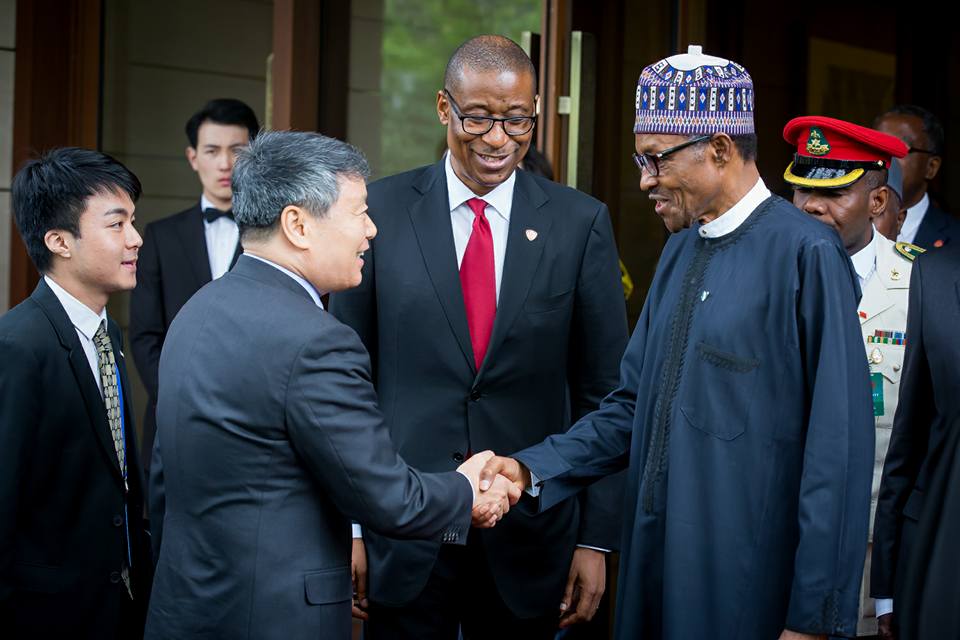
New economic measures adopted by the recently re-elected government of Muhammadu Buhari will try to expand Nigeria's economy away from oil income dependence and focus on consolidating Nigeria's manufacturing base – thereby opening new business opportunities for overseas suppliers and investors. Nigeria's population and gross domestic product is projected to reach 399 million people and cross $3.3 trillion by 2050. However, much needs to be done to bridge the gap between the reality of Africa’s largest economy and its undisputed potential. While Nigeria’s economy has performed much better in recent years than it did during previous boom-bust oil-price cycles, such as in the late 1970s or mid-1980s, oil prices continue to dominate the country’s growth pattern. Nigeria emerged from recession in 2017, with a growth rate of 0.8%, driven mainly by the oil sector. Growth was higher in 2018 (at 1.9%) and more broad-based; however, it still fell below the population growth rate, government projections and pre-recession levels. As Africa’s top oil producer, Nigeria is heavily reliant on crude, with the fuel accounting for 90 percent of foreign-currency earnings and two-thirds of government income. Without reforms to reduce its dependence on oil income, Nigeria risks “a lost decade” of flat economic growth. The country has recently held national elections in 2019, for the sixth consecutive time since its return to democracy in 1999. The incumbent president, Muhammadu Buhari won the elections and would be sworn in for a second term on May 29, 2019. Robust Economic Growth Nigeria’s economy grew in 2018 at its fastest pace since a recession two years earlier. Nigeria’s central bank expects the economy to pick up in 2019, forecasting a gross domestic product growth of 3 percent, up from 1.9 percent recorded last year. On the other hand, Nigeria continues to face massive developmental challenges, which include the need to reduce the dependency on oil and diversify the economy, address insufficient infrastructure, and build strong and effective institutions, as well as governance issues and public financial management systems. Nigeria accounts for nearly 20% of continental GDP and about 75% of the West Africa economy. Despite this dominance, its exports to rest of Africa are estimated at 12.7%, and only 3.7% of total trade is within the Economic Community of West African States. Nigeria has yet to ratify the Continental Free Trade Agreement, pending the outcome of broad consultations with captains of industry and other stakeholders. Large pockets of Nigeria’s population still live in poverty, without adequate access to basic services, and could benefit from more inclusive development policies. The lack of job opportunities is at the core of the high poverty levels, of regional inequality, and of social and political unrest in the country. Economic growth has been recovering since the third quarter of 2016, when the recession bottomed out. Higher oil prices helped Nigeria exit that contraction. Low oil prices will slow down growth in 2019, but the longer-term outlook depends heavily on how the government tackles the expansion of country's economy away from oil income. The World Bank had expected growth to be slightly less than 2 percent in 2019 as the elections kept foreign investors away. New Beginnings To its credit, the Nigerian government has secured the territorial integrity of the nation by reclaiming territory in the Northeast and has tackled big-ticket corruption, introducing and improving transparency and accountability in the management of public funds. Nigeria also committed to unprecedented investments to start and finish critical infrastructure projects in power, roads, and rail across the country, as well as direct investments in people to lift them up—the largest social investment program in Africa. Nigeria accounts for about 47% of West Africa’s population, and has one of the largest populations of youth in the world.
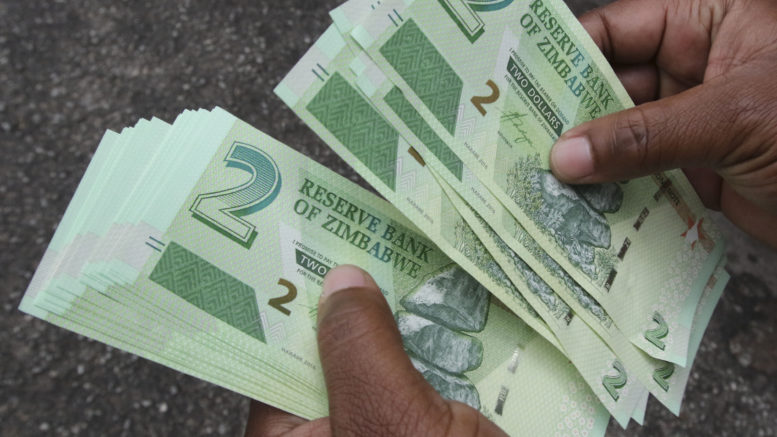
Zimbabwe’s new currency is expected to begin trading at around 2.5 to the U.S. dollar. A decade after Zimbabwe scrapped its own currency to end hyperinflation and began using mainly the USD, the economy is back in free fall. Fuel, medicines and other basics are hard to come by and less than 10 percent of the workforce is formally employed. The country has not had a local currency since 2009 when it abandoned the Zimbabwe dollar due to hyperinflation. To curb the inflation, Zimbabwe adopted a multi-currency system dominated by the US dollar. While the new currency regime initially helped stabilize prices, it also increased imports, curtailed exports and gave rise to a chronic shortage of banknotes. To fund government spending and help ease the liquidity crisis, the central bank printed bond notes theoretically pegged to the dollar, while most commercial transactions are conducted using an electronic currency known as RTGS$. This combination of parallel systems has resulted in a convoluted system of exchange rates, with consumers charged different prices depending on how they pay for purchases, and the cash scarcity has only worsened. Inflation in Zimbabwe In 1990, the inflation rate in Zimbabwe was 17 percent. The following year it jumped to 48 percent, and then continued to climb over the next 17 years. The government tried a number of different methods to control inflation, such as instituting price caps, outlawing the use of foreign currency, and printing new denominations. By the mid-2000s, inflation had increased to a rate so high that banknotes of Z$100,000,000 and higher were required for simple daily transactions. Zimbabwe devalued its currency three times in an attempt to control inflation. In 2006, it divided denominations by 1,000, striking three zeros from the currency. In 2008, it removed 10 zeros, and in 2009, it struck another 12 zeros from printed denominations. These three acts had the collective effect of making one new Zimbabwe dollar worth 10 trillion trillion old Zimbabwe dollars. Finally, the government gave up and stopped printing money altogether, allowing the economy to use a pastiche of foreign currencies. Central bank says electronic bank savings and locally printed ‘bond notes’ were no longer exchangeable one-to-one for the dollar. Zimbabwe abandoned its own currency in 2009 after it was wrecked by hyperinflation and adopted the greenback and other currencies, such as sterling and the South African rand.
Ethiopia’s Road To Success
folder_open Articles
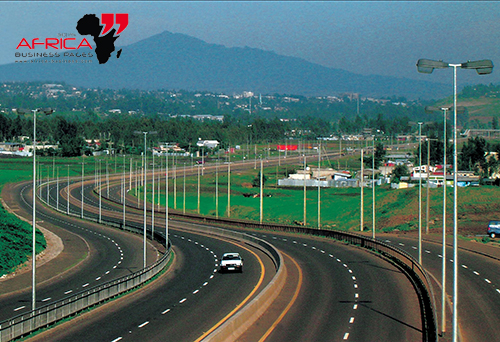
One of the fastest growing economies in Africa, Ethiopia, has an ambitious plan to cut a green, sustainable path to becoming a middle-income country by 2025. Along the way, the country faces growing urban migration and rising demand for food—challenges that are linked by, and depend on, roads for access, supply and mobility. In 1997, the total road network in Ethiopia was 26,550 kilometers. By 2014 it reached 99,522 km. For the country to reach its ambitious growth targets it’s aiming to double this to over 200,000 km by 2020. But new roads in Ethiopia and across sub-Saharan Africa often change the landscape, bringing dust, flooding and erosion. The impact is felt most by rural communities. Roads can negatively affect water flows to wetlands, block fish movements and cause landslides, as well as impact the livelihoods of millions of people. There is a solution: an approach to road building developed by Dutch social enterprise MetaMeta shows that it’s possible to reduce the impact of new roads and support food production by harvesting excess water. Under a project rolled out in Ethiopia as well as nine other countries including Bangladesh, roads are being built using innovative designs and drainage structures to collect water caused by flooding. This has solved an infrastructural issue while conserving water that can be used for crops and to feed livestock. Well built roads Practitioners at MetaMeta found that more than a third of households in Tigray, northern Ethiopia, reported flooding as a result of new roads with negative effects on crop production for around one in ten households. The study found that poor road construction can lead to soil erosion on farms and plots of land hugging the roadside. In addition, construction can increase the cost of road maintenance and repairs. This in turn limits transport options, including restricting access to markets, schools and hospitals. The net cost is damaged livelihoods. One solution, developed by MetaMeta, helps both mitigate the impact of new roads and support food production by harvesting excess water with “smart roads”. A project called Roads for Water is testing the concept. Funded by the Global Resilience Partnership, an independent partnership of public and private organisations focusing on the most vulnerable people and places, this project uses innovative road concepts, designs and drainage structures to collect water caused by flooding. For example, roads can route water to storage ponds or underground aquifers. Road drifts can help to retain water in dry riverbeds, and ensure systematic spreading of floodwaters. By harvesting rainwater, communities living near road networks can increase their resilience to shocks such as floods and droughts. In Ethiopia the project showed that $1,800 per km investment is sufficient to implement such measures, and can directly benefit over two million people. This compares favourably with annual maintenance expenditures per kilometer of $1,100 per year on rural roads in sub Saharan Africa and a periodic maintenance of $11,200 often incurred from water damage. These smart roads are increasing resilience to shocks, such as floods because water is being harvested and maintenance costs are reduced. They are also driving down the cost of road construction through, for example, the reuse of borrow pits for permanent water storage rather than requiring them to be backfilled. This is a considerable cost saving measure and additionally creates a local water resource. In Bangladesh, for example, smart roads are helping build resilience to floods that submerged a third of the country last year. If countries like Ethiopia and Bangladesh are to become more resilient they will need innovative solutions to an increasingly uncertain climate. The importance of building resilient roads will only intensify as populations grow and countries develop. Globally, an estimated 900 million rural people still don’t have access to road and transport infrastructure. The investment gap on global roads is expected to approach $1.6 trillion per year for the next 40 years as increasing amounts of roads are built, especially in the developing world. But solutions for better roads won’t work unless they are driven by local ideas and are compatible with local needs and contexts. Collaboration and buy-in between local partners – from engineers to technicians, farmers, laborers and governments departments – is critical. Solutions as simple as bringing the ministry responsible for roads together with the ministry responsible for water and talking them through the challenges and opportunities can produce remarkable results. All in all, better infrastructure will result in higher FDI as well as higher trade volumes for Ethiopia – making the country a hub for trade and investment in times to come.
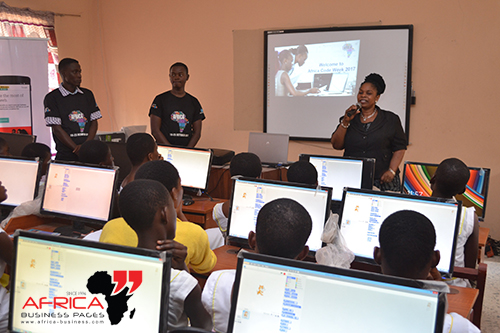
Google has released a new search app called Go in 26 African countries that would allow users to search the web faster, even with slow Internet connections. It will partner with pan-African wireless carriers such as MTN Group Ltd. and Vodacom Group Ltd. to preload the app on some of their low-end devices. The internet giant has also adapted the voice function to work better on slow connections, even as basic as 2G networks, according to Google Africa Chief Marketing Officer Mzamo Masito. “Weak data connectivity, high data costs and low storage space often make it hard for people to get the most out of the internet,” he told reporters on Thursday. “Google Go is built to handle these challenges.” U.S. tech giants see Africa as a relatively untapped market for smartphones and services such as web search and social media. Over the last few months, Google has been releasing lightweight operating “Go” systems of its popular apps for less capable phones including Gmail and Google Assistant. Last year, it launched YouTube Go in Nigeria, an “offline first” version of the video sharing platform, allowing users to preview and download videos, rather than stream, and essentially save on data costs. The app’s release is part of a recognition of how high data costs, inadequate digital infrastructure, geographical locations, and scarcity of content in local languages keep many Africans offline. By 2020, there will be 535 million unique mobile subscribers in sub-Saharan Africa, up from 420 million in 2016 – a subscriber base that is growing faster than any other region globally. Internet bandwidth capacity is also growing fast while mobile broadband connections are set to reach half a billion by 2020, becoming the driving force behind innovation, financial inclusion, and access to services ranging from solar power to education, and insurance. Younger consumers in sub-Saharan Africa are increasingly demanding quicker internet speeds and cheaper phones to go about their business, while MTN and Vodacom see the digital space as their fastest-growing market. The new app will be available in 26 countries in sub-Saharan Africa and will be pre-installed on all Android Oreo devices. The company also plans to make it available in other emerging markets, including India, Brazil and Indonesia. Africa Business Pages (africa-business.com), on the other hand, is also offering free listings for African businesses. You can list you company by registering here.
Preliminary request for participation in the trade show
place
calendar_today
Preliminary request for visitor registration
Visitor Registration
place
calendar_today